



Textured Wallpaper
Explore designer textured wallpaper and specialist wallcoverings selected for their tactile surfaces, woven fibres and raised finishes. From natural grasscloth, sisal and linen to velvet, flock, embossed and three-dimensional designs, these wallcoverings bring depth and material character to understated and statement interiors. Order samples where available to compare texture, colour and sheen in your own light, and check each product specification for width, repeat, backing and hanging guidance.

Get A Quote

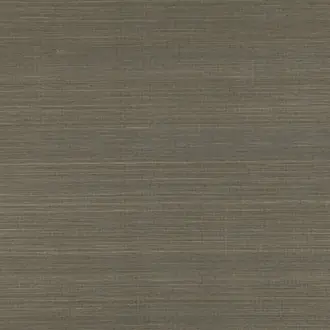
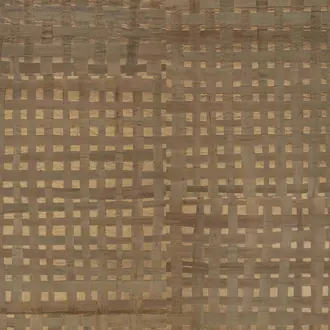
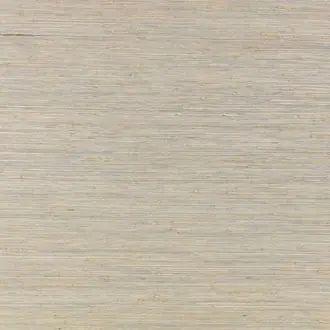
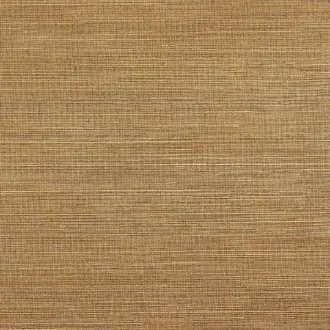
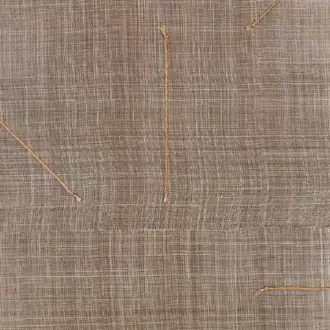
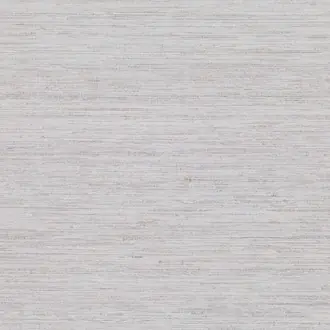
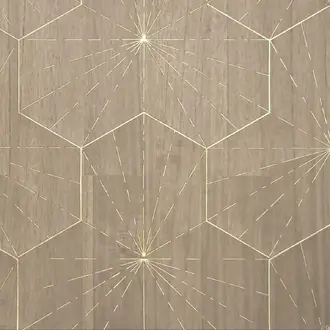
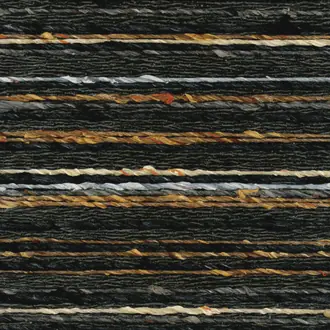
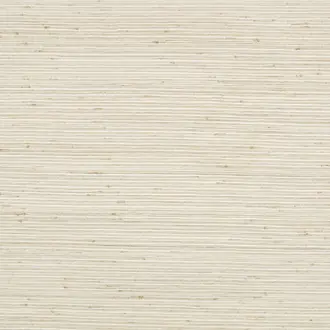
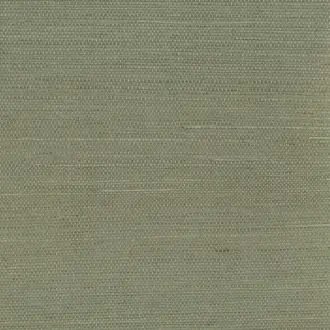
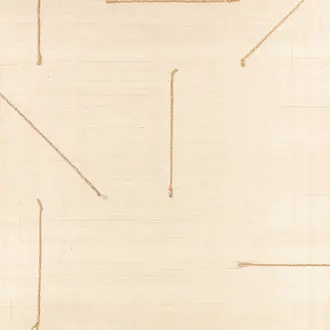
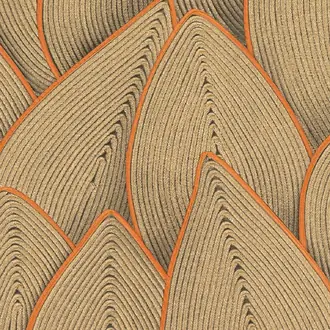
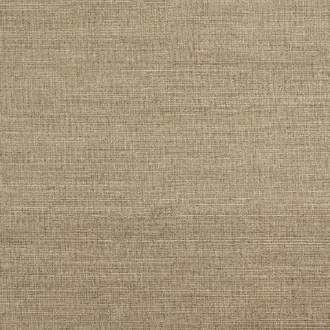
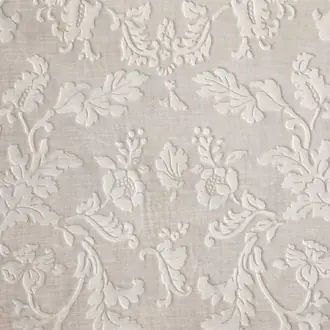
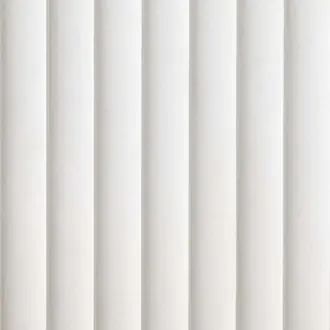
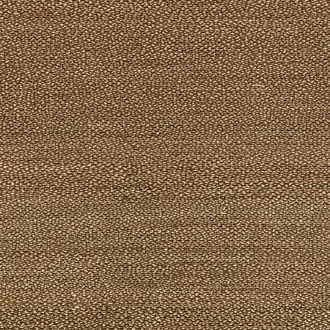
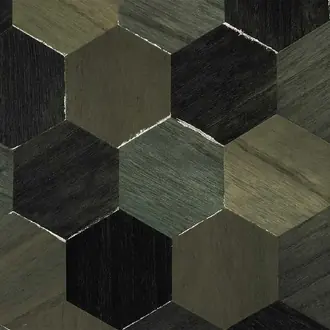
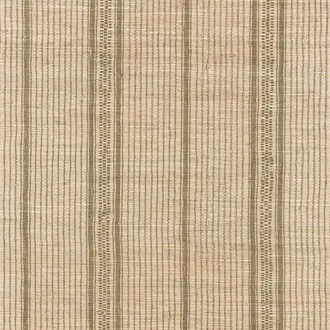
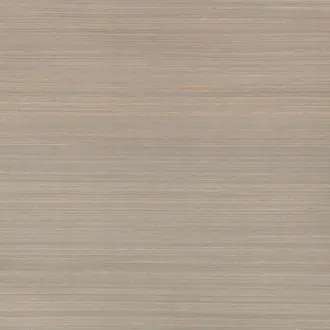
Tactile wallcoverings
What Is Textured Wallpaper?
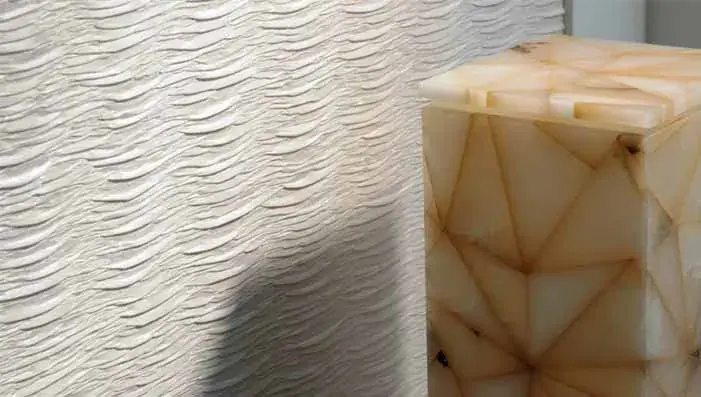
Textured wallpaper has a surface you can genuinely see and feel. The texture may come from woven natural fibres, a textile face, raised embossing, flock, cork, wood veneer or a three-dimensional construction. The result can be subtle and understated or highly sculptural, adding depth, warmth and material character that a flat printed design cannot reproduce in quite the same way.

Natural & woven
Grasscloth, Sisal, Raffia, Jute & Paperweave
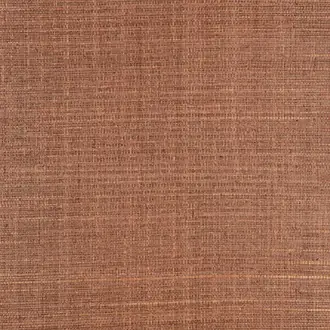
Natural and woven wallcoverings create texture through the fibres themselves. Grasscloth, sisal, raffia and jute can show slubs, knots and changes in tone, while paperweave offers a more controlled woven surface. These variations are part of their character and can make each panel look slightly different once installed.
If you prefer an organic finish, these materials are an excellent place to start. Samples are especially useful because the weave, colour variation and surface sheen can be difficult to judge accurately on screen.

Textile surfaces
Linen, Velvet, Flock & Fabric Wallcoverings
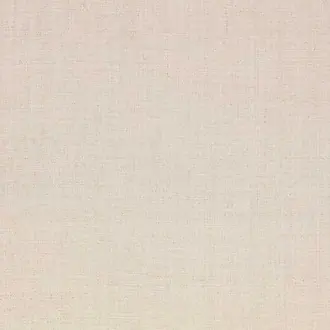
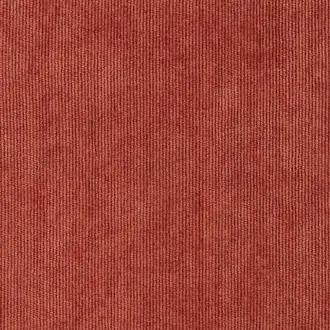
Textile wallcoverings bring a softer form of texture to an interior. Linen and woven fabrics can introduce a fine, tailored surface, while velvet and flock create richer depth through a raised pile. Depending on the construction, the effect can range from a quiet plain texture to a much more decorative statement finish.
Real textile wallcoverings should be distinguished from flat printed designs that simply imitate linen or fabric. Always check the individual product specification if the material or construction is important to your scheme.

Raised & dimensional
Embossed & 3D Wallcoverings
Embossing creates texture by raising or pressing a design into the surface, while true three-dimensional wallcoverings can use deeper relief, sculptural forms or specialist textile constructions. These finishes interact strongly with light and shadow, so the same wallcovering can look quite different as the light changes through the day.
Some textured vinyl wallcoverings also use embossing to reproduce the appearance of linen, plaster, stone or other materials. Vinyl itself is not automatically textured; it is the physical relief or surface treatment that gives these designs their tactile quality.

Specialist materials
Cork, Wood Veneer, Capiz & Decorative Surfaces
Some of the most distinctive textured wallcoverings use the material itself as the decorative surface. Cork and wood veneer can bring natural grain and irregularity, while shell, capiz and other specialist finishes can introduce subtle relief and changes in reflectivity as light moves across the wall.
These materials vary considerably in construction, width, backing and installation requirements. Where exact suitability matters, use the individual product specification and manufacturer hanging instructions rather than assuming all specialist wallcoverings behave in the same way.

Samples & selection
See and Feel the Texture Before You Choose
Photography cannot fully show the weave, relief, pile or sheen of a textured wallcovering. A sample lets you compare the material in your own room and see how its colour and surface respond to natural and artificial light.
Sampling is particularly helpful with natural fibres and specialist materials, where variation between panels can be part of the intended appearance. Sample availability and charges can vary by brand and supplier.
Before ordering
Choosing and Hanging Textured Wallcoverings
Construction matters as much as appearance. Check the specification for the individual wallcovering before ordering, particularly where the material is natural, wide width, heavy or strongly dimensional.
Natural variation
Grasscloth and other natural-fibre wallcoverings can show visible joins, fibre irregularity and tonal movement. These characteristics are often intrinsic to the material rather than manufacturing faults.
Width, repeat & quantity
Textured wallcoverings can be supplied in very different widths and formats. Check the roll or panel dimensions, pattern repeat and matching requirements before calculating quantities.
Adhesive & installation
Textiles, natural fibres and dimensional surfaces may need particular adhesives, preparation or handling. Follow the manufacturer instructions and use an experienced professional where appropriate.
Expert guides
Learn More About Specialist Wallcoverings
Explore our guide to different wallcovering constructions for more detail on natural fibres, textiles, vinyls and specialist materials, or read our feature on luxury 3D and textured wallcoverings for a closer look at dimensional surfaces.
Frequently asked questions
Textured Wallpaper FAQs
What is textured wallpaper?
Textured wallpaper has a genuinely tactile surface created by its material or construction. Examples include woven natural fibres, textile wallcoverings, embossed designs, flock, cork, wood veneer and three-dimensional finishes.
Is embossed wallpaper the same as textured wallpaper?
Embossed wallpaper is one type of textured wallpaper. Its relief is created by raising or pressing a design into the surface. Other textured wallcoverings gain their character from woven fibres, textile faces, pile or specialist natural materials instead.
Are grasscloth and sisal wallpapers textured?
Yes. Genuine grasscloth, sisal, raffia and jute wallcoverings have woven surfaces with visible and tactile fibre variation. The amount of texture varies by product.
Should I order a sample of textured wallpaper?
We recommend sampling where available because weave, relief, sheen and natural variation can appear different in person and under different lighting conditions. Sample availability and charges vary by brand and supplier.
Is textured wallpaper difficult to install?
It depends on the construction. Some products hang much like conventional wallpaper, while natural fibres, textiles, wide-width or heavily dimensional wallcoverings may need specialist preparation, adhesives or professional installation. Always follow the product-specific hanging instructions.