


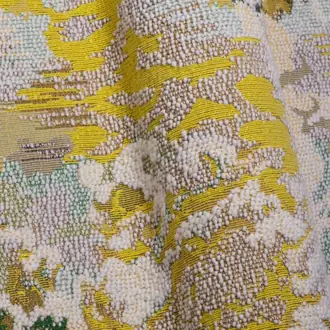


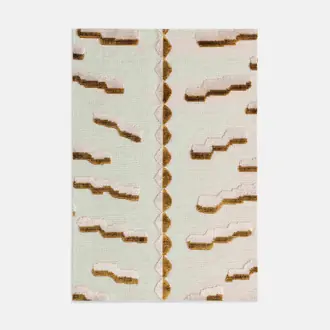


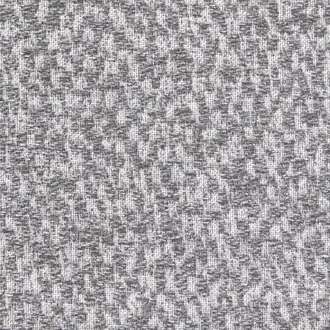


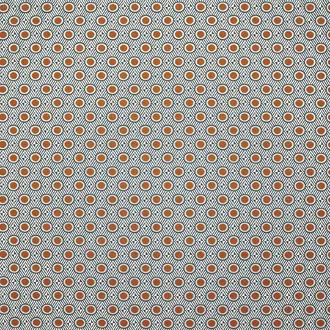


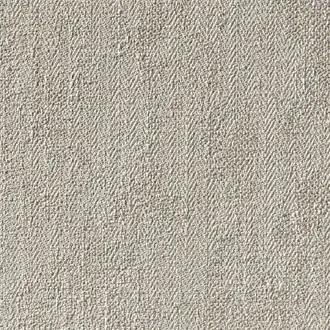


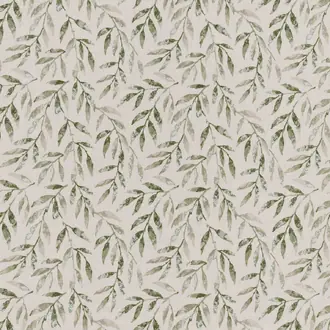


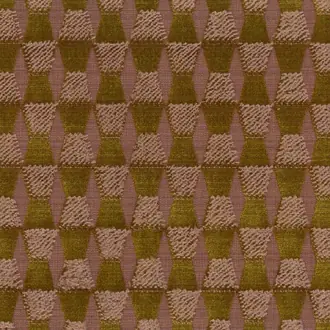


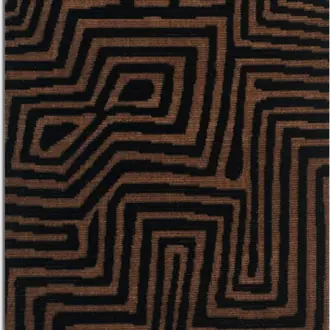








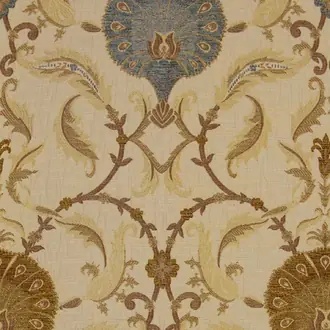


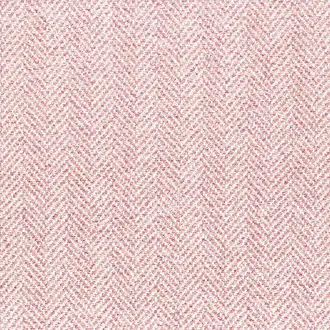


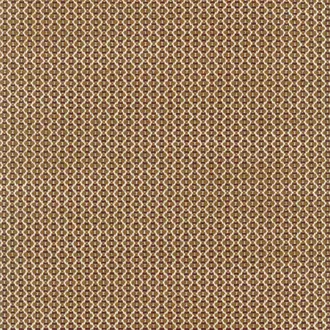


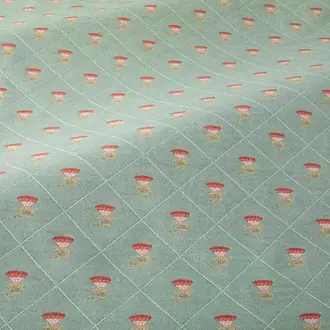

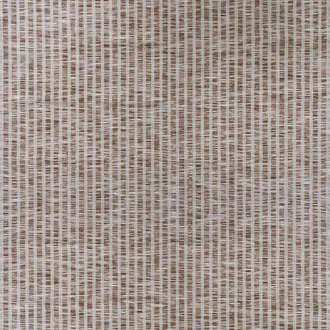





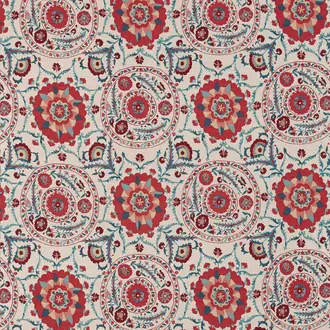

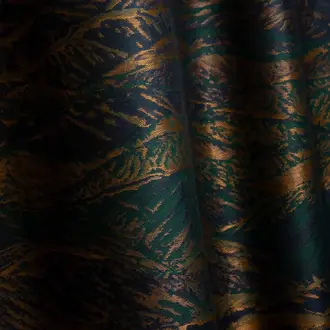


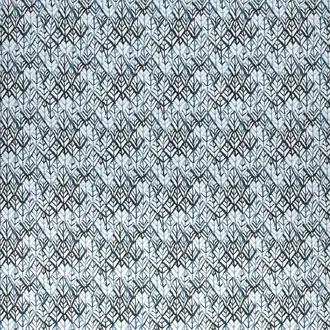


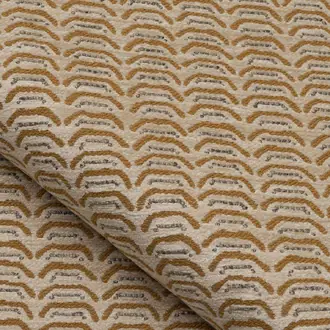


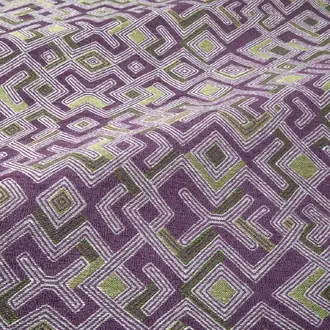


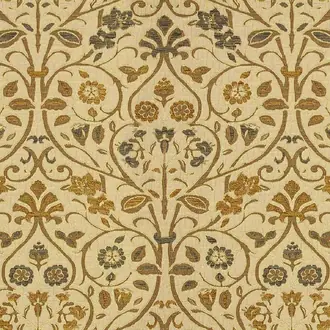


Woven, not printed
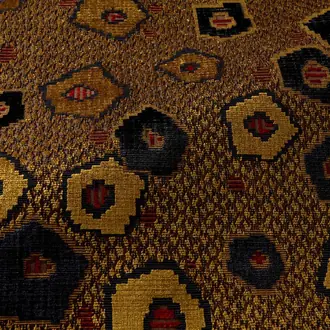
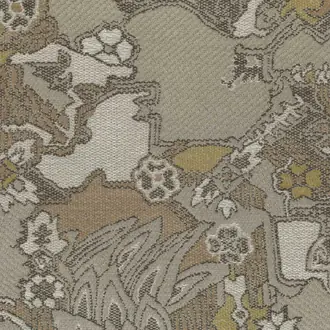
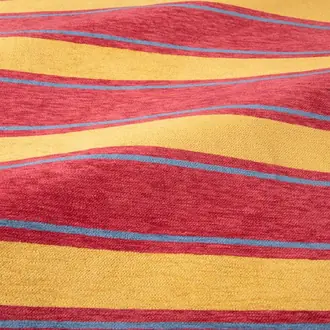
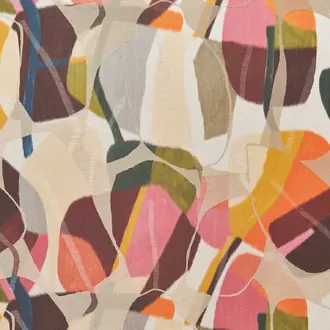
The design is created by the interlacing yarns, giving the pattern structure, texture and visual depth.

No products matched “”.
No matches for “”.
 1722 reviews
Explore designer jacquard fabric for curtains, upholstery, cushions, blinds and headboards. The pattern is woven into the cloth rather than printed onto its surface, creating colour, texture and relief in designs ranging from restrained geometrics and checks to florals, damasks and richly decorative motifs.
Jacquard describes a weaving method, not a single fibre or decorative style. Composition, weight, drape and durability vary between designs, so order a sample and check the individual fabric’s recommended use, width, pattern repeat, care information and Martindale result where applicable.
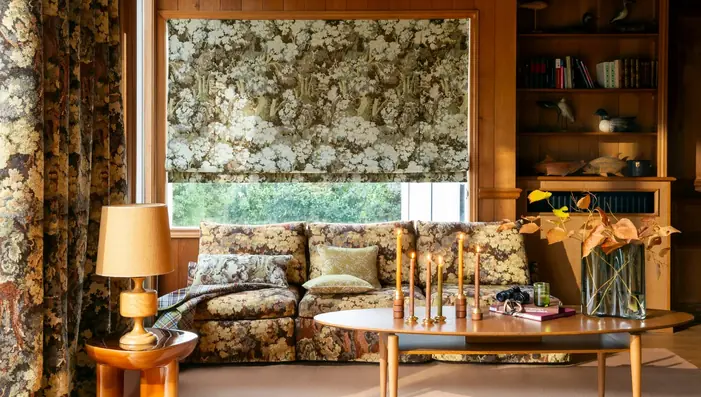

Pattern created through weaving
Jacquard fabric is woven on a loom capable of controlling individual warp yarns, allowing complex designs to be formed as part of the cloth. Instead of colour being applied only to the finished surface, different yarns and weave structures build the pattern into the material itself. This can produce visible relief, changes of sheen and a reverse that looks different from the face.
The term describes the construction rather than a fibre. A jacquard may be made from cotton, linen, silk, wool, viscose, polyester or a blend. It may feel crisp and architectural, soft and pliable, substantial and tapestry-like, or smooth with a subtle tonal pattern.
The design is created by the interlacing yarns, giving the pattern structure, texture and visual depth.
Florals, damasks, checks, stripes, geometrics and abstract motifs can all be produced using jacquard weaving.
Composition and performance vary, so the specification of the individual fabric remains essential.

Construction and surface
The loom raises selected warp yarns independently as the weft passes across them. By changing which yarns appear on the face, the cloth can combine multiple colours, textures and levels of reflectivity without relying on a surface print.
Look closely and the design may contain satin-like highlights, matt grounds, raised areas or exposed floats. These qualities can make colour change subtly with the direction of the light. The reverse may reveal an alternative arrangement of yarns, but it should only be treated as reversible when the supplier specifically says so.

From quiet texture to statement pattern
Jacquard is often associated with formal damasks and brocades, but the method can produce a much broader visual language. Small geometric repeats, broken stripes, checks, abstract blocks and subtle tone-on-tone surfaces can feel distinctly contemporary, while botanical and ornamental designs make the most of the loom’s capacity for detail.
Pattern is only one part of the effect. Contrasting yarn thickness, lustre and weave can give a restrained design just as much character as a large-scale motif. This breadth is what separates jacquard as a construction from any one decorative category.

Pattern, folds and changing light
Jacquard can make curtains with exceptional depth because the woven surface responds as the fabric moves through light and shadow. Flowing ornamental designs suit generous folds, while smaller repeats and restrained textures can bring interest without dominating the room.
Before ordering, check that curtains or blinds are included in the recommended use. Consider the cloth’s weight, usable width, repeat and direction as well as the way the design will fall across joins and finished folds. Lining or interlining can improve body and light control, but the right specification depends on the fabric and the room.

Sofas, chairs and headboards
A woven design can give upholstered furniture colour and definition without losing the tactile character of the cloth. Large motifs can create statement chairs and headboards, while smaller patterns are easier to place across sofa cushions, arms, seams and curved sections.
Not every jacquard is upholstery weight. Confirm that upholstery is listed as a recommended use and review the Martindale or Wyzenbeek result where supplied, together with composition, care and any fire-retardancy requirements. Discuss pattern placement and additional fabric allowance with your upholsterer before ordering.

Related terms explained
Jacquard is the broadest term because it identifies the weaving method. Damask commonly uses contrasting weave structures to create a reversible or near-reversible tonal motif, traditionally with a smoother appearance. Brocade is generally more elaborate and may use supplementary yarns to create a raised, richly decorative surface.
These terms can overlap: damasks and brocades are often jacquard-woven, but not every jacquard is a damask or brocade. Velvet jacquards add a pile surface, while tapestry-style jacquards use coloured yarns and dense construction to achieve pictorial depth. The individual supplier specification is the reliable guide.

Scale, direction and performance
Begin with the intended application, then compare the fabric’s recommended use, composition, width, weight, handle and care requirements. For upholstery, consider abrasion performance and how the repeat will be placed. For curtains, assess drape, pattern direction and the amount of fabric required to match the design across widths.
Scale can look very different on a sample, a dining chair and a full curtain. Check the full pattern repeat online, then order a sample to assess the yarn colour, surface texture and response to your room’s daylight and artificial light. If exact placement matters, discuss it with your maker before calculating quantities.
Continue browsing
Frequently asked questions
Jacquard is fabric whose design is formed through the weave rather than simply printed onto the finished surface. The method can create complex motifs, texture, relief and changes of sheen.
Neither exclusively. Jacquard describes a weaving method. A jacquard can use many fibre compositions and can carry floral, geometric, striped, checked, damask or abstract patterns.
In a true jacquard, the design is woven into the cloth. Some fabrics combine a jacquard ground with printing or embroidery, so check the individual product description when more than one technique is used.
Many jacquards are designed for sofas, chairs, cushions and headboards, but lighter decorative qualities may be intended only for curtains. Confirm upholstery suitability and review abrasion performance, care and any applicable fire requirements.
Yes. Many jacquards make decorative curtains and blinds with strong colour and woven depth. Check weight, drape, width, pattern repeat and the manufacturer’s recommended use before ordering.
Jacquard refers broadly to the weaving method. Damask is a particular style of woven pattern, often tonal and reversible or near-reversible. A damask may be jacquard-woven, but jacquard also includes many non-damask designs.
The reverse often shows the pattern in a different arrangement of yarns, but this does not mean both sides are suitable for display. Treat a fabric as reversible only when the supplier explicitly describes it that way.
A sample helps you judge the woven texture, yarn colours, lustre, thickness and handle. It should be considered alongside the complete repeat and technical specification when deciding suitability and quantities.
Prices and taxes are calculated based on your country.
Some items may not be available for delivery to every country — we will tell you at the basket or checkout if anything cannot be sent.
Necessary cookies enable core functionality such as page navigation, your shopping basket and secure checkout. The site cannot work properly without them.
| Cookie | Provider | Duration |
|---|---|---|
| __cf_bm | Cloudflare | 30 minutes |
| cf_clearance | Cloudflare | Varies |
| ect_consent | First party | 180 days |
| ectcartcookie | First party | Session |
| ecthash | First party | Session |
| ectordid | First party | Session |
| ectsessid | First party | Session |
| PHPSESSID | First party | Session |
Preference cookies let the site remember choices you make (such as your region or recently viewed items) for a more personal experience.
| Cookie | Provider | Duration |
|---|---|---|
| ect_country_popup_shown | First party | 1 day |
| WRITECLL | First party | Persistent |
| WRITECLP | First party | Persistent |
Statistics cookies help us understand how visitors use the site by collecting and reporting information anonymously.
| Cookie | Provider | Duration |
|---|---|---|
| _ga | Google Analytics | 2 years |
| _ga_ | Google Analytics | 2 years |
| _hj | Hotjar (via Google Tag Manager) | 30 minutes - 1 year |
| fs_uid | FullStory (via Google Tag Manager) | 1 year |
Marketing cookies track visitors across sites to display relevant ads and measure campaign performance.
| Cookie | Provider | Duration |
|---|---|---|
| __kla_id | Klaviyo | 2 years |
| _gcl_ | Google Ads (via Google Tag Manager) | 90 days |
| id1 | First party | ~6 months |
| id2 | First party | ~6 months |
| IDE | Google DoubleClick (third-party, doubleclick.net) | 13 months |
| PARTNER | First party | Persistent |