



Linen Wallpaper
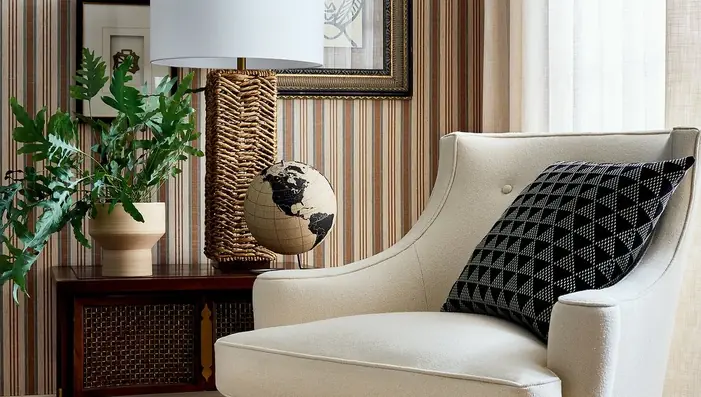
Linen wallpaper brings the natural texture of woven fibre to walls, creating a finish that feels warm, refined and quietly luxurious. This collection includes genuine linen wallcoverings, printed linen and designs made with linen mesh or linen-blend surfaces applied to a stable backing.
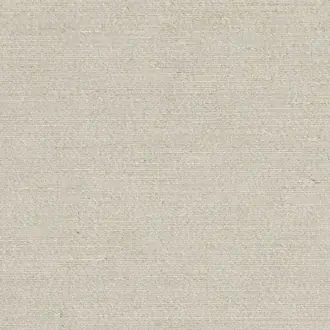
From understated plains and tailored stripes to decorative patterns printed directly onto linen, each construction responds differently to light. Subtle slubs, changes in weave and gentle tonal variation are part of the material’s character rather than printing faults.

Get A Quote

















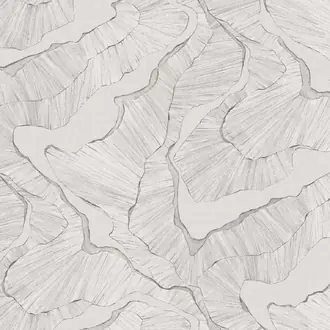

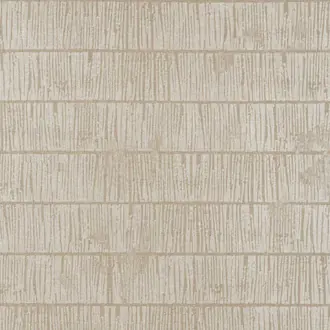


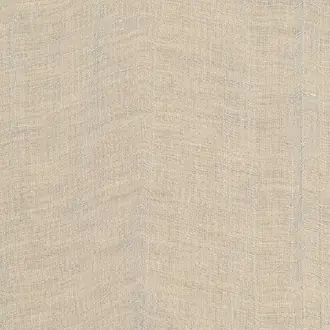


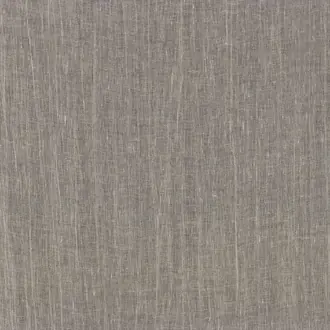










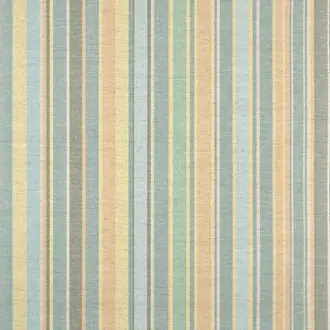


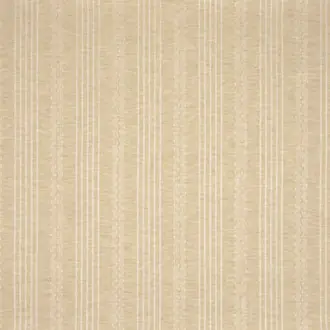


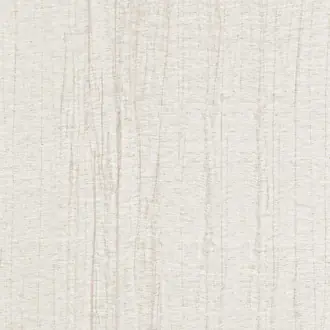
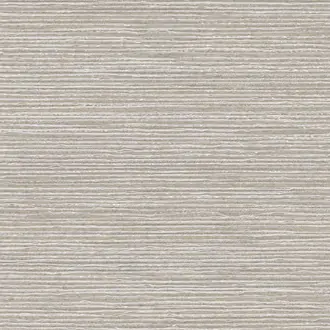


Natural woven character
What Makes Linen Wallpaper Different?
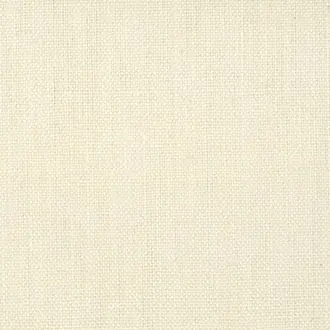
Linen wallpaper uses genuine linen fibre as part of its visible surface. The material may form a woven face, a fine linen mesh or a blended textile layer laminated to a suitable backing. Decorative designs can also be printed directly onto linen, allowing pattern and natural woven texture to remain visible together.
Unlike wallpaper that simply prints or embosses a linen effect, genuine linen has small variations in its yarn, weave and tone. These give the finished wall depth and character, particularly when viewed in changing natural light.
Genuine fibre
Linen comes from flax and is valued for its strong fibre, dry handle and naturally irregular woven appearance.
Visible variation
Slubs, fine changes in weave and modest tonal movement are characteristics of the material rather than printing defects.
Quiet texture
The surface can add warmth and detail without requiring a heavily raised, glossy or strongly patterned finish.

Woven surfaces and linen mesh
How Is Linen Wallpaper Constructed?
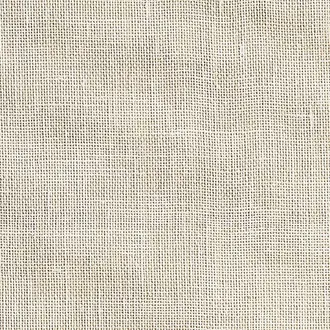
Genuine linen wallcoverings are normally stabilised with a backing so the textile can be prepared and hung on a wall. Depending on the product, this may be described as paper-backed linen, linen on non-woven, laminated linen or linen mesh applied over another natural base.
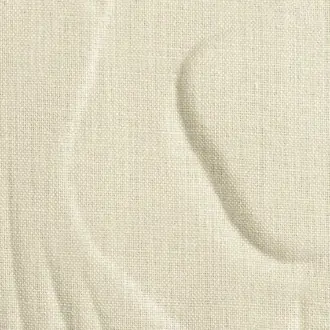
Fine linen mesh creates a tailored woven surface and can also carry stripes, printed marks or more decorative pattern. Heavier or more open weaves reveal stronger slubs and changes in yarn, producing a more relaxed and visibly natural finish.
Construction varies between manufacturers, so the individual product specification and hanging instructions should always take priority over general guidance.

Pattern on a natural ground
Plain, Striped and Printed Linen Wallpaper
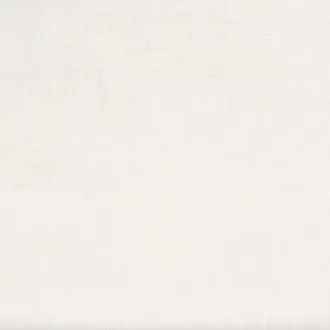
Plain linen allows the weave itself to become the design. In neutral colourways, small irregularities catch the light and prevent the wall from appearing completely flat while maintaining a calm, understated finish.
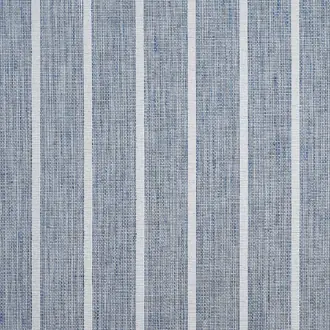
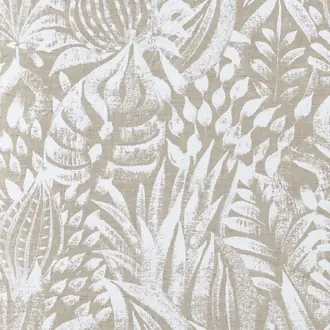
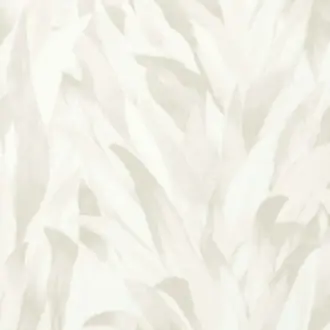
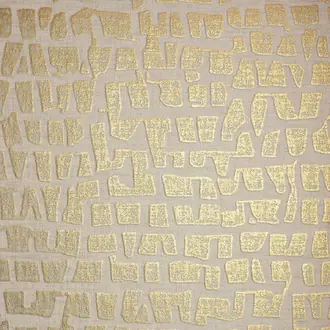
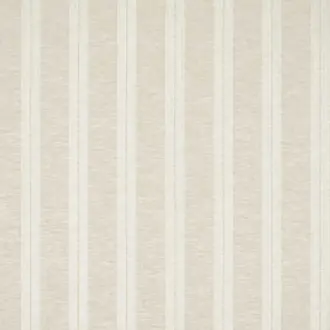
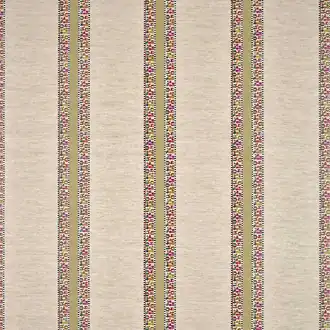
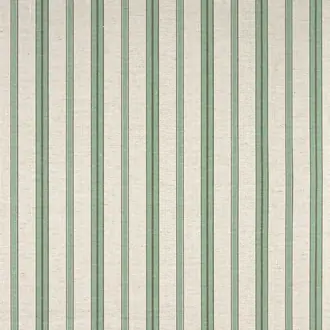
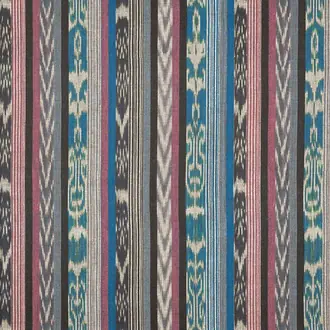
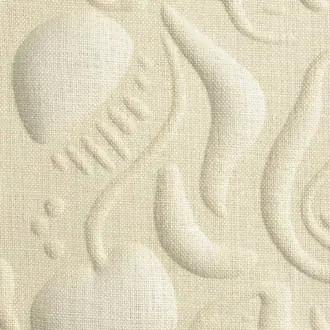
Stripes reinforce linen’s tailored character and can make the direction of the weave more prominent. Decorative and pictorial designs printed directly onto linen combine clearer pattern with the softer edges and subtle colour movement of a textile ground.
Because linen absorbs and reflects colour differently from smooth paper or vinyl, printed shades can appear gently softened. Review both a sample and a complete room image when judging the balance between pattern and surface.

Material authenticity
Genuine Linen Versus Linen-Effect Wallpaper
Genuine linen wallpaper contains linen fibre in its visible construction. A linen-effect wallpaper reproduces the appearance of woven cloth through printing, embossing or a vinyl surface but does not necessarily contain linen.
Linen-effect wallpaper can be a practical option when greater washability, consistency or resistance to marking is required. It should not, however, be described as genuine linen solely because its surface resembles woven fabric.
This collection is intended for products whose specifications identify real linen, a linen blend or a genuine linen-mesh layer. Check the product description when the precise composition is important to your project.
Planning and installation
What to Consider Before Choosing Linen Wallpaper
Linen is selected for its material character rather than perfect mechanical uniformity. Samples, accurate wall preparation and careful installation are therefore especially important.
Natural light
Directional light makes the weave and joins more visible. View your sample on each wall and at different times of day.
Panels and seams
Fine changes between drops may remain visible after installation. This panelled appearance is characteristic of many natural textile wallcoverings.
Professional hanging
Walls must be smooth, dry and evenly prepared. Specialist products may require precise trimming and protection from paste on the face.

Samples and selection
See the Linen Surface in Your Own Interior
A physical sample is the best way to assess linen’s weave, colour and natural irregularity. Place it vertically on the wall rather than examining it flat on a table, then view it in daylight and artificial light.
Samples also help you compare a fine tailored linen mesh with a more pronounced woven surface. Remember that a small cutting may not display every slub, tonal change or part of a large printed repeat.
Sample availability, size and charges vary by manufacturer. For wide-width, panelled or specialist linen wallcoverings, contact us if you would like help checking quantities or installation requirements.
Continue browsing
Related Natural and Textile Wallcoverings
Frequently asked questions
Linen Wallpaper FAQs
What is linen wallpaper?
Linen wallpaper is a wallcovering that uses genuine linen fibre in its visible surface. The linen may be woven into a textile face, applied as a fine mesh, blended with other fibres or used as a ground for printed decoration.
Is linen wallpaper the same as linen-effect wallpaper?
No. Genuine linen wallpaper contains linen fibre. Linen-effect wallpaper recreates the appearance of cloth through printing, embossing or vinyl construction and may not contain any linen.
Will linen wallpaper have visible variations?
Yes. Small slubs, changes in yarn, tonal movement and modest differences between drops are normal characteristics of natural linen. They contribute to its material appearance and should not automatically be treated as faults.
Are the seams visible on linen wallpaper?
Seams can remain visible, particularly in strong side light or on wallcoverings with an open weave. Careful preparation and professional installation help create neat joins, but genuine linen should not be expected to look completely seamless.
Can linen wallpaper be used throughout a room?
Yes. Plain and quietly patterned linen can work across an entire bedroom, living room, dining room or study. Stronger printed linen can also be used as a feature, depending on its scale and colour.
Is linen wallpaper suitable for bathrooms?
Linen is generally better suited to dry, well-ventilated interiors than areas exposed to regular steam, condensation or direct splashing. Check the individual manufacturer’s specification before using it in a bathroom or kitchen.
Does linen wallpaper need professional installation?
Professional installation is strongly recommended. Linen surfaces can mark if adhesive reaches the face, and some products require specialist trimming, double cutting or careful control of the direction of each drop.
How should linen wallpaper be cleaned?
Cleaning instructions vary. Many genuine textile surfaces should only be lightly dusted or carefully vacuumed with a soft attachment. Do not assume linen is washable; always follow the care instructions for the individual product.
Why should I order a linen wallpaper sample?
A sample shows the real weave, colour, thickness and level of natural variation. It also lets you see how directional daylight and artificial lighting affect the surface before ordering the full quantity.