


Contemporary Wallpaper
Explore contemporary wallpaper created for modern interiors, from bold geometric patterns and expressive murals to refined textures and understated designs. This carefully selected collection brings together innovative colour, scale and materials from leading wallpaper designers, offering options for striking feature walls as well as complete room schemes.

Get A Quote


















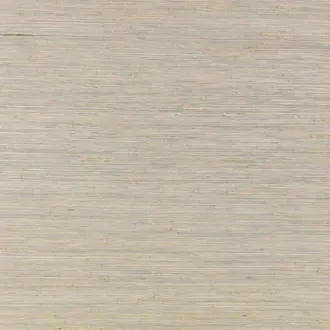


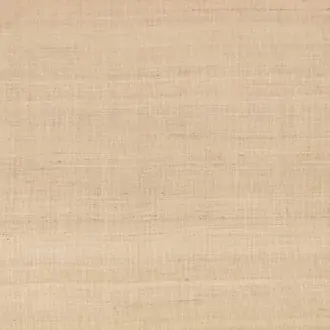


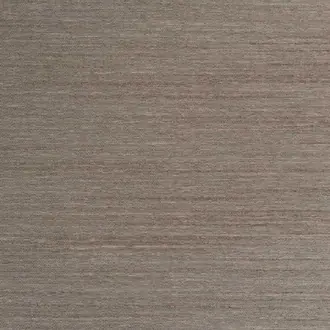


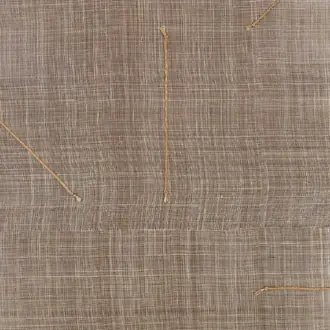


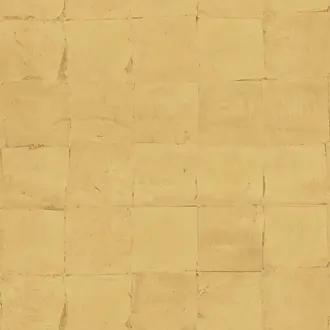

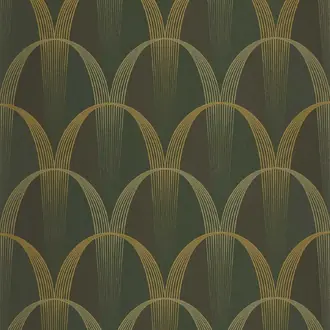


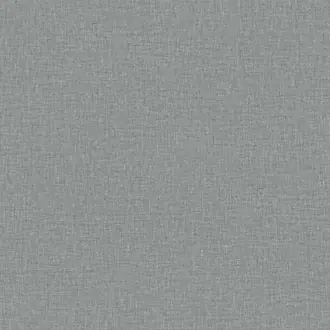


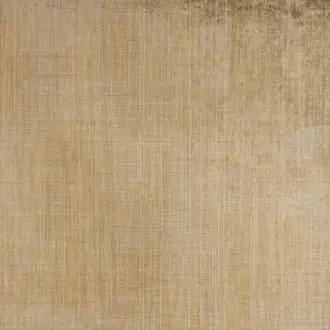










Current design, material and colour
What Is Contemporary Wallpaper?
Contemporary wallpaper describes wallcoverings created for present-day interiors rather than one particular pattern or material. The collection includes structured geometrics, expressive murals, softly graduated colour and refined tactile surfaces.
What connects these different designs is a modern approach to scale, composition and finish. Some provide a quiet architectural backdrop, while others behave more like artwork and establish the room's focal point.
Graphic pattern
Geometry, linear marks and layered repeats introduce rhythm and a stronger architectural quality.
Expressive design
Murals, abstract artwork and ombré colour create movement at a scale that changes the whole room.
Refined texture
Textile effects, natural fibres and dimensional surfaces add depth without relying on a prominent motif.

Pattern with structure
Contemporary Geometric Wallpaper
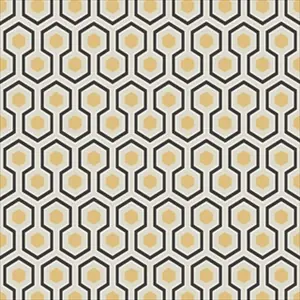
Geometric wallpaper can give a room order, pace and a stronger architectural character. Designs range from precise linear grids to irregular forms that appear carved, layered or hand drawn.
Consider the viewing distance as well as the repeat. A large motif has room to breathe on an uninterrupted wall, while a smaller pattern can work comfortably across a complete room.
For a composed scheme, carry one colour from the wallpaper into upholstery or accessories rather than trying to match every shade.

Artwork across the wall
Modern Mural and Abstract Wallpaper
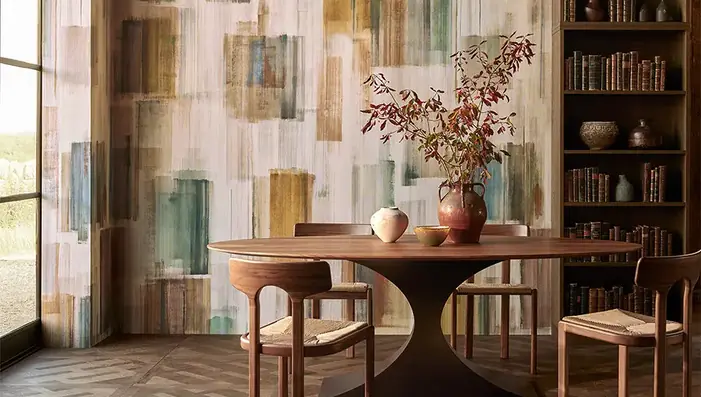
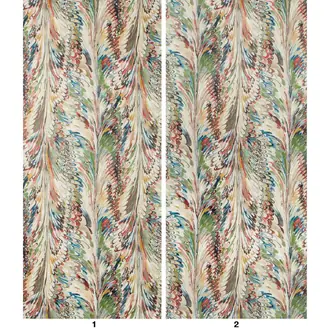
Contemporary murals create atmosphere through a complete composition rather than a small repeating motif. Mineral-like colour, layered brushwork and softened horizons can make the wall feel expansive while retaining a sophisticated character.
Plan a mural around the architecture of the room. Check the complete dimensions and establish where its principal features will sit in relation to furniture, windows, doors and fireplaces.
Where several walls are interrupted, a repeating abstract wallpaper may offer greater flexibility while providing a similarly expressive effect.

Quiet surfaces and tactile depth
Contemporary Textured Wallpaper
Not every contemporary wall needs an obvious pattern. Silk effects, woven structures and finely layered surfaces respond to changing light, giving neutral rooms greater depth without competing with furniture, artwork or joinery.
Texture is particularly effective across all four walls because it reads as part of the room rather than as a separate feature. The effect may be calm from a distance while remaining detailed and tactile when seen close up.
Order a sample to assess the true colour, relief and reflectivity. Natural and handcrafted wallcoverings may show tonal movement and visible joins as part of their character.

Light, line and material
Metallic Contemporary Wallcoverings
Metallic detail can define a pattern, trace an irregular line or sit beneath a translucent surface. Rather than creating uniform shine, many contemporary wallcoverings use metal effects selectively so the design changes as daylight moves around the room.
Kintsugi-inspired lines and oxidised finishes suit interiors that combine clean furniture with stone, timber, metal or richly coloured upholstery.
View metallic samples vertically in the intended room. Their appearance can differ substantially from a flat sample viewed beneath direct lighting.

Soft movement and graduated colour
Ombré Wallpaper for Modern Interiors
Ombré wallpaper moves gradually between tones rather than relying on a fixed repeat. It can suggest mist, water, landscape or a naturally weathered surface while maintaining the clarity associated with a contemporary scheme.
Graduated colour can visually alter the proportions of a room. A deeper lower section may ground the space, while a design that becomes lighter towards the ceiling can create an increased sense of height.
Check the orientation and complete panel sequence before ordering, particularly when the transition needs to align across more than one wall.
Building a considered scheme
Choose Scale, Surface and Colour Together
Contemporary wallpaper can be restrained or dramatic. The strongest result comes from matching its visual role to the architecture, light and materials already present.
Start with the wall
Use a mural or large abstract design where its composition can remain visible. Choose a repeat or texture for walls interrupted by windows, doors and joinery.
Consider the light
Metallic, silk and dimensional surfaces change throughout the day. Test samples vertically in both daylight and the room's evening lighting.
Balance the scheme
Let one expressive wallcovering lead the room, or use a restrained texture to connect stronger furniture, artwork and decorative materials.

Samples and selection
See the Colour, Scale and Finish at Home
A wallpaper sample allows you to compare the true ground colour, surface and contrast with your flooring, furniture, paint and fabrics. Move it around the room and view it at different times of day.
A small sample may not show the complete repeat or mural composition. Use it to judge colour and material, then consult the room image, technical repeat and full design before calculating quantities.
Continue browsing
Related Designer Wallpaper
Frequently asked questions
Contemporary Wallpaper FAQs
What is contemporary wallpaper?
Contemporary wallpaper reflects current approaches to pattern, scale, colour and material. It includes geometric repeats, abstract designs, murals, ombré effects and refined textured wallcoverings rather than one fixed decorative style.
Is contemporary wallpaper the same as modern wallpaper?
The terms are commonly used interchangeably when shopping for current interior design. In design history, Modernism has a more specific twentieth-century meaning, but modern wallpaper is also widely used to describe contemporary designs.
Does contemporary wallpaper have to be bold?
No. Contemporary wallpaper may be highly expressive, but it also includes subtle textile effects, quiet geometrics and tonal surfaces designed to provide an understated backdrop.
Can contemporary wallpaper be used on every wall?
Yes. Restrained repeats and textured wallcoverings often work particularly well throughout a room. Very large murals and strongly graphic designs may be better suited to a focal wall, depending on the room's proportions.
Which rooms suit contemporary wallpaper?
Contemporary designs can work in living rooms, bedrooms, dining rooms, halls and home offices. Select the scale, material and performance characteristics according to the room and the condition of the wall.
How should I choose the scale of the pattern?
Consider the size of the uninterrupted wall and the distance from which the design will normally be viewed. Large patterns need enough space for their composition to remain legible, while fine repeats may read as texture from across the room.
Do specialist wallcoverings need professional installation?
Many textured, natural, metallic and panelled wallcoverings benefit from an experienced installer. Always consult the manufacturer's hanging instructions and make sure the wall is prepared for the particular substrate.
Should I order a sample?
Yes. Screen images cannot reliably show undertone, relief, reflectivity or scale. A sample helps you compare the wallcovering with the room's light and existing materials before ordering.