



Brown Wallpaper
Explore designer brown wallpaper from pale taupe, camel and warm stone to tobacco, cognac, walnut and deep chocolate. The collection brings together natural grasscloth, woven effects, geometric pattern, botanical designs and sculptural murals for interiors with warmth and depth.
Brown takes much of its character from material and undertone. Linen and sisal effects feel relaxed, red-brown shades appear richer, and charcoal-brown or espresso brings definition. Samples are available across many designs so you can compare the true shade, texture and scale beside your flooring, timber and furnishings.

Get A Quote


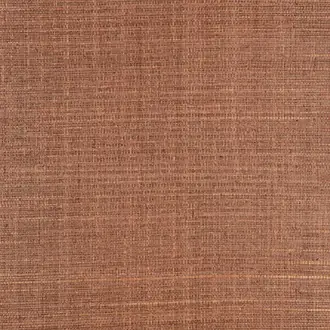

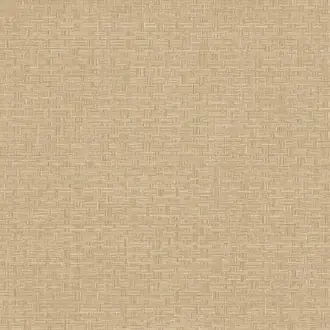
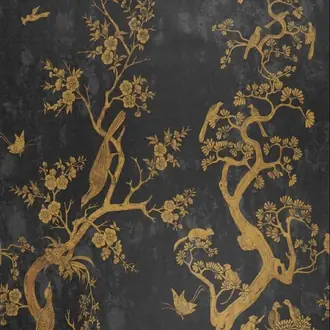
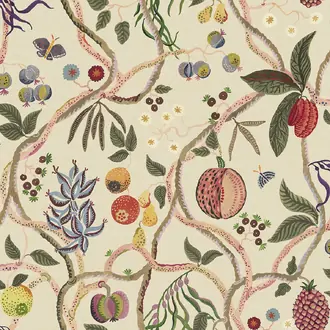
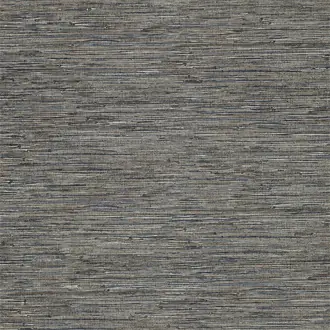
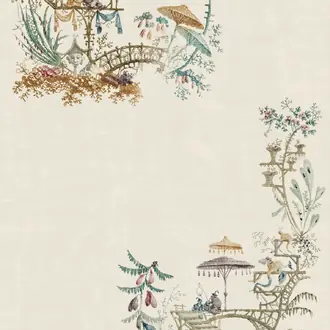


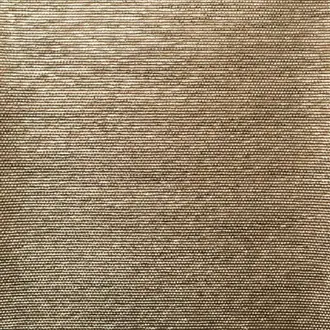
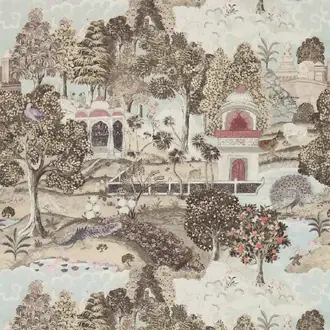
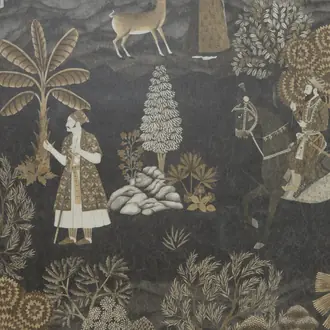
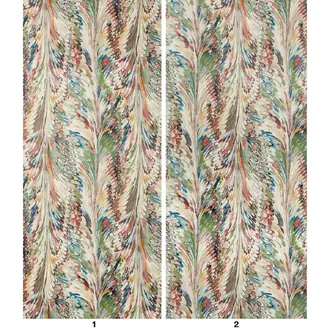
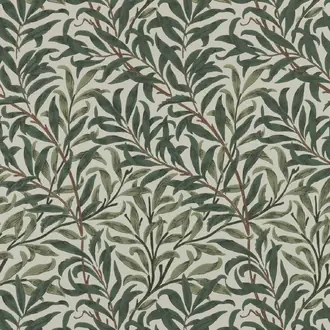
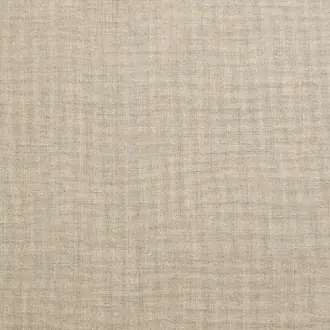
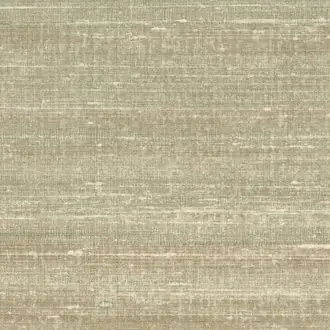



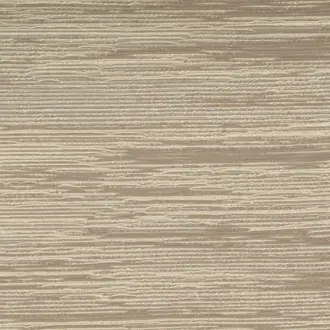
A warm neutral shaped by material and undertone
Brown Wallpaper from Taupe to Chocolate
Brown is a broad natural palette rather than a single dark colour. Pale taupe and camel feel quiet and adaptable, tobacco and cognac introduce warmth, while walnut, umber and chocolate create richer definition.
The surface changes the result. Woven fibres feel relaxed, timber and marquetry effects appear architectural, and printed or sculptural patterns can make brown either graphic or decorative.
Taupe, camel and sand
Lighter browns behave as warm neutrals and sit naturally with limestone, linen, pale oak and soft white.
Tobacco and cognac
Red and orange undertones bring warmth and work well with leather, walnut, brass and earthy accent colours.
Walnut and chocolate
Deep brown creates intimacy with less contrast than black, particularly across woven, timber and tonal surfaces.

The lighter side of brown
Taupe, Camel and Light Brown Wallpaper
Light brown wallpaper offers the warmth of beige with greater depth. Taupe may lean grey, camel has a golden undertone, and soft mushroom or sand shades create a quieter link between pale upholstery and darker timber.
These shades work comfortably across several walls because their contrast remains restrained. Fine geometrics, basketweave effects and small irregular patterns prevent the surface from appearing flat.
Compare the sample directly with flooring and furniture. A taupe that looks neutral on screen may appear distinctly warm or cool beside an existing beige, grey or timber finish.

Colour expressed through fibre
Natural and Textured Brown Wallcoverings
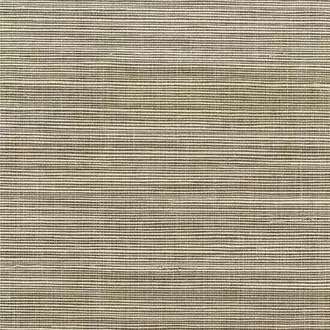
Grasscloth, sisal, paperweave, cork and textile effects are closely connected to brown's natural character. Fibres create fine shifts between camel, tobacco, rust and chocolate as the light moves across the wall.
Natural wallcoverings may show panel variation, visible joins and tonal movement. These are generally characteristics of the material rather than faults and should be considered part of the finished appearance.
Use textured brown with timber, stone, rattan, linen, wool or leather. Keeping the wider palette material-led allows the wall to feel rich without becoming overly decorative.

Structure, repeat and contrast
Patterned and Geometric Brown Wallpaper
Geometric brown wallpaper brings order to an earthy palette. Grid, stripe, lattice and marquetry-inspired repeats can feel tailored and architectural, especially where gold, cream or black outlines sharpen the design.
Large patterns need enough clear wall area for their structure to be read. Smaller repeats adapt more easily around doors, windows and fitted joinery and can work across a complete room.
Deep chocolate grounds are softened by warm timber and cream upholstery. Metallic detail becomes more visible under directional lighting and adds depth without changing the basic neutral scheme.

An earthy ground for decorative motifs
Brown Floral and Botanical Wallpaper
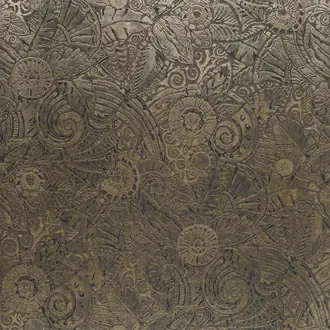
Brown botanical wallpaper can feel both decorative and grounded. Tonal leaves create a subtle relief effect, while cream, rust, olive and gold details become richer against tobacco or chocolate backgrounds.
Use larger motifs where there is room to appreciate the complete repeat. In more detailed schemes, panelling below the wallpaper can reduce visual weight and create a clear architectural break.
Timber naturally connects with the palette, but exact matching is unnecessary. A contrast between walnut, oak and the wallpaper's brown tones often produces more depth than a uniform finish.

Natural colour at an immersive scale
Brown Murals and Panoramic Wallpaper
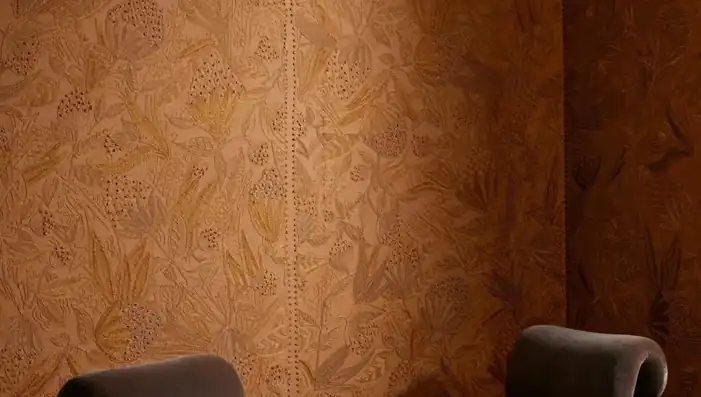
Brown murals draw on timber, earth, stone and plant fibres to create an immersive surface. Abstract curves, carved-wood effects and oversized natural forms give a warm neutral room a stronger architectural identity.
Plan the composition around windows, doors, fireplaces and furniture. Check where the principal shapes will fall and whether important areas may be concealed once the room is furnished.
Pale upholstery and ceilings retain contrast, while timber and woven accessories extend the natural palette. A small amount of blue or green can provide a cooler counterpoint.
Building a balanced earthy scheme
Choose the Undertone Before the Depth
Brown can lean grey, yellow, orange or red. Identifying that undertone first makes it easier to connect the wallpaper with timber, flooring, paint and textiles already in the room.
Compare permanent finishes
View the sample beside flooring, stone and joinery. Similar browns can conflict if one is red-based and the other distinctly grey or yellow.
Balance light and dark
Camel and taupe maintain openness. Tobacco adds warmth. Walnut and chocolate create a more enveloping room and benefit from deliberate lighting.
Layer natural materials
Linen, wool, leather, rattan and timber add variation through texture. They allow a largely brown palette to remain visually clear and tactile.

Samples and selection
Check the Brown Beside Your Materials
Brown undertones are difficult to judge on screen. A sample shows whether the shade leans taupe, yellow, orange or red and reveals the true fibre, relief and reflectivity.
View samples vertically beside timber, flooring, paint and fabrics in morning, afternoon and artificial light. For murals and large motifs, use the sample to assess colour and surface, then check the full image and technical details for composition and scale.
Continue browsing
Related Designer Wallpaper
Frequently asked questions
Brown Wallpaper FAQs
Is brown wallpaper suitable for a modern interior?
Yes. Taupe geometrics, woven textures, sculptural murals and dark chocolate plains can all feel contemporary. Simple furniture, restrained contrast and clean architectural details keep the scheme modern.
What colours work well with brown wallpaper?
Cream, warm white and beige create a soft neutral scheme. Green and blue provide cooler contrast, while rust, ochre and terracotta reinforce warmer undertones. Black adds definition and brass introduces reflected warmth.
What is the difference between taupe and brown wallpaper?
Taupe is normally a muted grey-brown and behaves as a lighter neutral. Brown is broader and includes camel, tobacco, cognac, walnut, umber and chocolate, with undertones ranging from grey to red or orange.
Does dark brown wallpaper make a room feel smaller?
Chocolate and walnut shades can make a room feel more enclosed, but this often creates attractive intimacy in bedrooms, dining rooms and snug living areas. Lighter ceilings and layered lighting retain definition.
Can brown wallpaper be used throughout a room?
Yes. Light and mid-brown textures, plains and small repeats can work comfortably across several walls. Deep grounds, large geometrics and murals create a stronger atmosphere and may be used either throughout or as a focal treatment.
Why should I order a brown wallpaper sample?
A sample reveals whether the brown leans grey, yellow, orange or red and shows the true texture and reflectivity. This is particularly important when coordinating with timber and existing flooring.
Do natural brown wallcoverings vary between lengths?
Natural fibres and handcrafted surfaces may show tonal movement, visible joins and panel variation. These effects are generally part of the material's character rather than manufacturing faults.
Do specialist brown wallcoverings require professional installation?
Many natural, textured, metallic and panelled wallcoverings benefit from an experienced installer. Follow the manufacturer's wall preparation, adhesive, roll-sequence and hanging instructions for the specific substrate.