



Plain Wallpaper
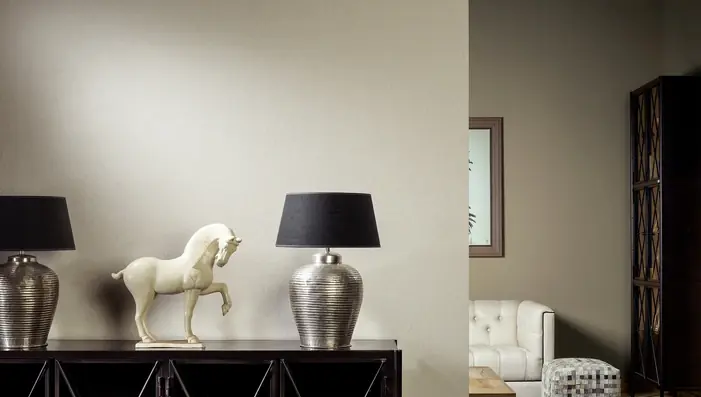
Plain wallpaper creates a calm, versatile backdrop through colour, material and surface rather than a visible decorative motif. Explore refined matt finishes, softly woven effects, natural fibres and silk-inspired wallcoverings in neutral shades and richer contemporary colours. These understated designs work comfortably across bedrooms, living rooms, dining rooms and hallways, while allowing furniture, artwork and textiles to take the lead.

Get A Quote







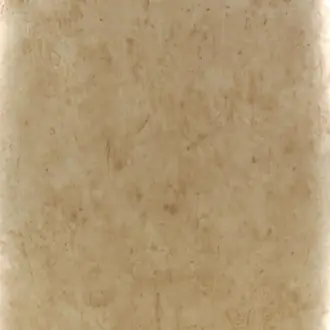


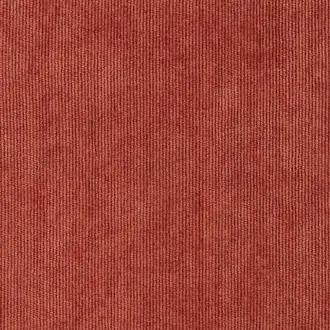


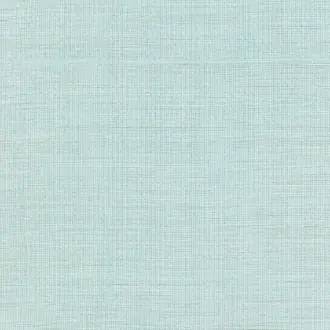


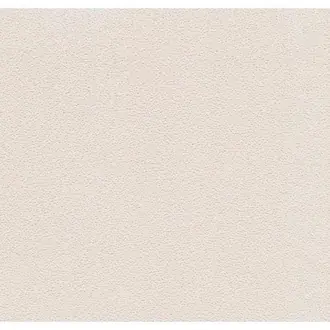


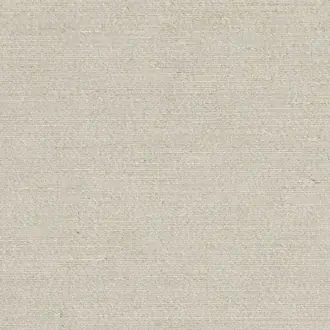

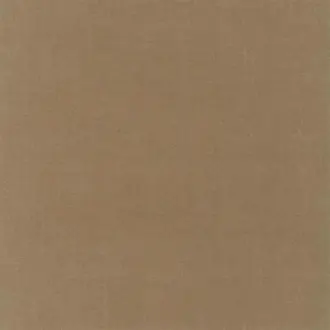


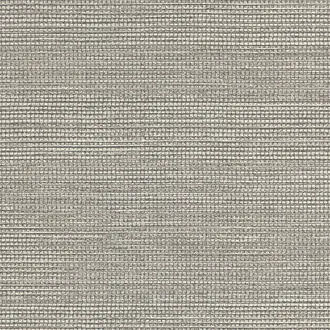





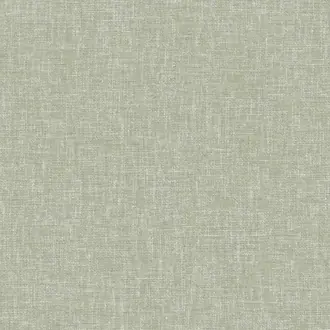


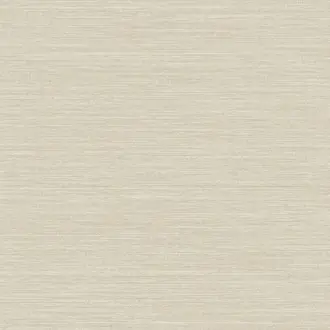




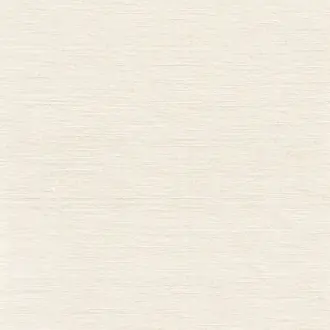


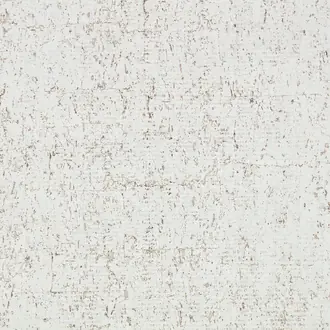


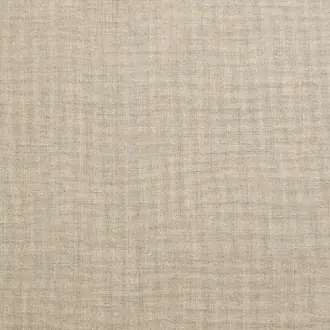





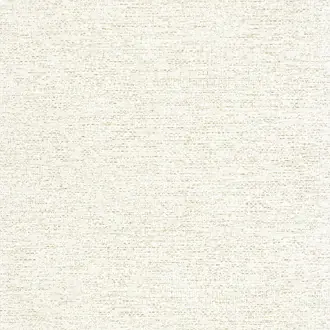





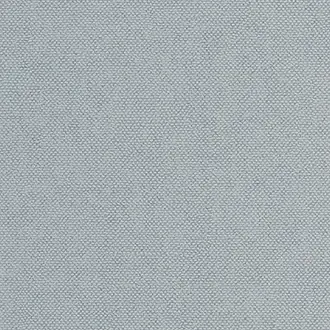


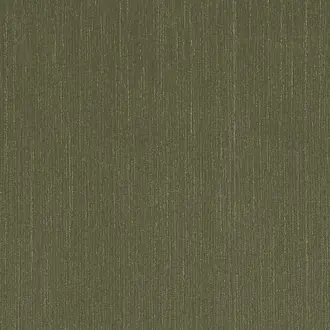


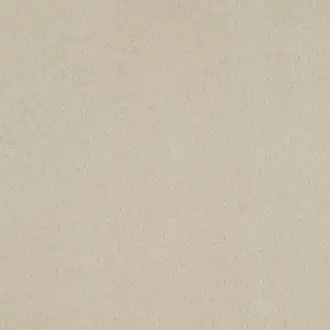





Colour, material and understated surface
Choosing Plain Wallpaper for Your Interior
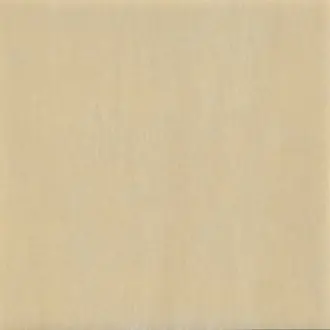
Plain wallpaper is defined by the absence of a recognisable decorative motif. Rather than relying on flowers, geometry or pictorial pattern, it creates interest through colour, fibre, finish and the way its surface responds to light.
The collection ranges from quiet matt papers to natural grasscloths and refined textile-inspired wallcoverings. This makes plain wallpaper useful both as a complete-room backdrop and as a companion to patterned fabrics, artwork and statement furniture.
Colour-led plains
Motif-free colour creates a continuous backdrop and can make architectural details, upholstery and artwork more prominent.
Natural fibre
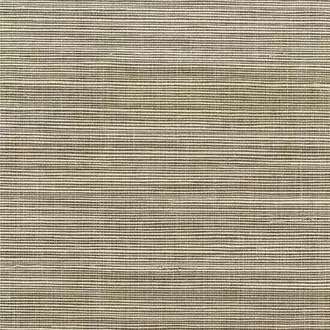
Grasscloth, sisal and other natural constructions introduce organic variation without forming a conventional printed pattern.
Refined finish
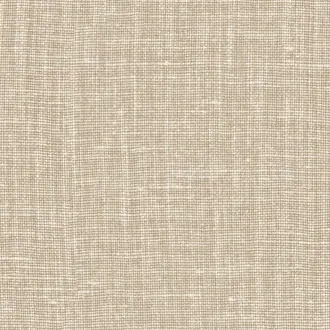
Silk, linen and textile effects bring softness, depth or gentle lustre while retaining the visual calm of a plain wall.

A continuous field of colour
Plain Wallpaper Beyond Neutral Shades
Plain wallpaper does not have to be beige, cream or grey. Deep teal, green, blue and earthy shades can wrap a room in colour while remaining visually quieter than a decorative repeat.
Because there is no dominant motif to position, the colour and surface become the main design decisions. Consider how the shade changes beside windows, under artificial light and across walls facing different directions.
A saturated plain works particularly well behind artwork or pale furniture. Softer neutrals allow timber, patterned upholstery and collected objects to carry more of the room’s character.

Soft lustre and textile character
Silk, Linen and Textile-Effect Plain Wallpaper
Textile-inspired plains give walls the warmth and tactility associated with woven cloth. A linen effect often feels relaxed and softly matt, while silk-inspired finishes can reflect light more noticeably and create a more formal atmosphere.
These surfaces remain plain because they do not introduce a separate decorative motif. Their interest comes from the construction itself: fine threads, irregular slubs, gentle horizontal movement or a restrained change in sheen.
Use a physical sample to compare the finish with curtains, upholstery and flooring. The direction of the light can make texture and lustre appear stronger on one wall than another.

Natural variation without a printed motif
Plain Grasscloth and Natural Wallcoverings
Natural wallcoverings use fibres such as grass, sisal or other plant materials to create depth and subtle variation. Irregularities in colour, weave and joins are part of their character rather than faults to be hidden.
Panel edges may remain visible after installation, particularly with hand-worked natural materials. This creates a more crafted surface than a conventionally printed paper and should be considered when planning the finished room.
If you want the warmth of natural fibre without a floral or geometric design, a plain grasscloth can provide a distinctive yet versatile backdrop.
Plain or semi-plain?
Choose According to How Much Movement You Want
The boundary between plain and semi-plain is best judged visually. Plain wallpaper has no recognisable motif; semi-plain wallpaper introduces a quiet decorative effect that is visible across the wall.
Choose plain
Select a plain when you want colour or material to lead, with no obvious repeat competing with furniture, fabrics or artwork.
Choose semi-plain
Choose semi-plain for visible mottling, strié, softly distressed effects or a restrained small-scale repeat that adds movement.
Choose textured
Browse textured wallpaper when relief, embossing or a strongly tactile surface matters more than whether the design contains a motif.

See colour and texture in your own room
Sample Plain Wallpaper Before Ordering
Small differences in undertone, fibre and sheen become especially important when the wallpaper has no pattern. A sample allows you to compare the true colour with paint, flooring, curtains and upholstery in the room where it will be used.
View the sample in daylight and artificial light and place it on more than one wall. Natural and textile wallcoverings can vary between batches, and photographs cannot fully reproduce their surface or reflectivity.
Continue browsing
Related Designer Wallpaper
Frequently asked questions
Plain Wallpaper FAQs
What is plain wallpaper?
Plain wallpaper has no recognisable floral, geometric or pictorial motif. It may still have colour variation, fibre, weave or sheen, but its interest comes from the material and finish rather than a decorative repeat.
What is the difference between plain and semi-plain wallpaper?
Plain wallpaper is motif-free and reads as a continuous surface. Semi-plain wallpaper has visible but restrained movement, such as mottling, strié, softly distressed marks or a quiet small-scale repeat.
Why choose plain wallpaper instead of paint?
Wallpaper can introduce fibre, tactility, depth and controlled surface variation that paint cannot reproduce. It can also provide a more finished backdrop while retaining the flexibility of a single-colour scheme.
Can plain wallpaper be textured?
Yes. A wallpaper can be both plain and textured when the surface has no recognisable decorative motif. Grasscloth, linen effects and silk-inspired wallcoverings are common examples.
Are joins visible in plain wallpaper?
They can be, particularly with natural grasscloth and hand-worked wallcoverings. Variation between panels and visible joins are characteristic of many natural materials, so check the product information and sample before ordering.
Should I order a sample of plain wallpaper?
Yes. With a plain design, undertone, sheen and texture carry much of the visual effect. View a sample on several walls and in both natural and artificial light before making your selection.
Can plain wallpaper be used throughout a room?
Yes. Its lack of a dominant motif makes it particularly suitable for wrapping every wall. Dark or saturated colours can feel enveloping, while pale neutrals create a quieter background for furniture and artwork.