



White Fabric
Discover designer white fabric, from crisp plains and softly textured weaves to delicate patterns and light-filtering sheers. Find fabrics for curtains, upholstery and cushions, checking each product’s recommended use and the shade against your existing furnishings.
From crisp whites to delicate ivories, order samples to compare white and off-white tones in your room, in daylight and under evening lighting. For made-to-measure curtains, Roman blinds or coordinating cushions, we can help you choose a suitable fabric and finish.

Get A Quote

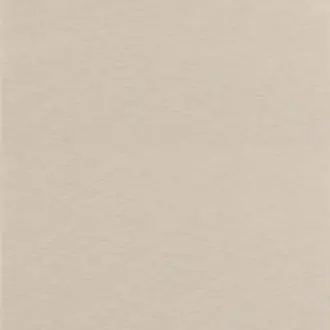

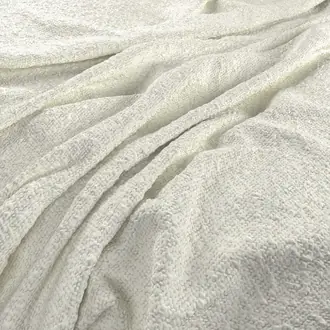

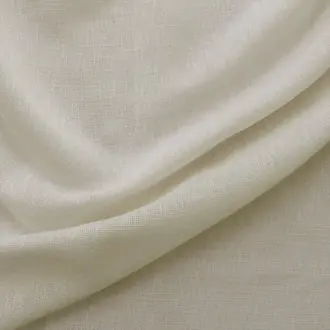


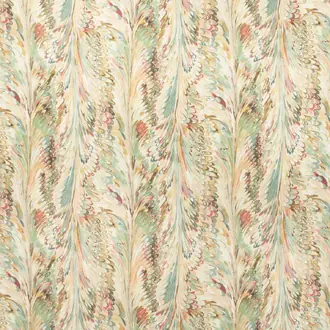
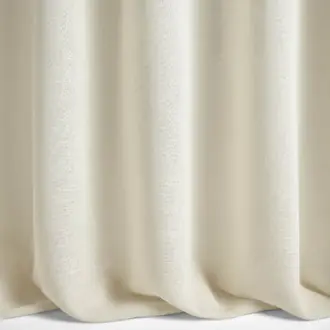


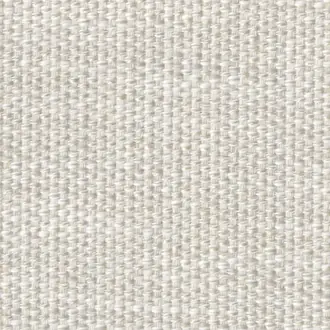
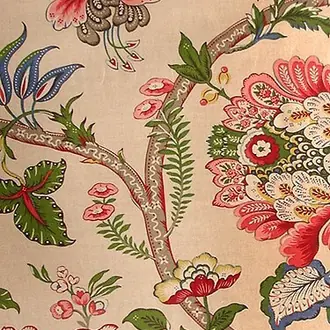
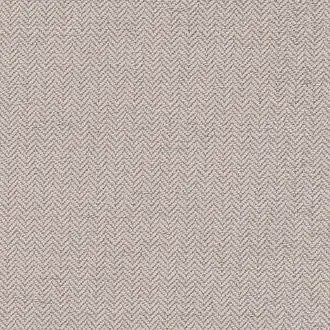



Undertone, light and texture
Choosing the Right White Fabric
White makes the weave, surface and fall of a fabric especially noticeable. A smooth curtain, an open sheer and a softly looped upholstery cloth can share a light palette while creating quite different effects. Start with the job the fabric needs to do, then compare its shade with the room’s permanent finishes.
The whites in paint, stone, flooring and fabric rarely match exactly. A cloth that looks neutral on its own may appear creamy beside a cool white wall, or slightly grey beside warm ivory. Samples viewed together make those differences easier to judge.
Crisp white
A clearer white gives definition beside dark timber, coloured upholstery or a contrasting trim. Check it against painted woodwork, where even a small difference in undertone can become visible.
Soft and off-white
A softer white can sit gently with pale oak and warm stone. Supplier shade names vary, so compare the actual cloth. For a distinctly creamy or ivory effect, explore Cream Fabric alongside it.
White with texture or pattern
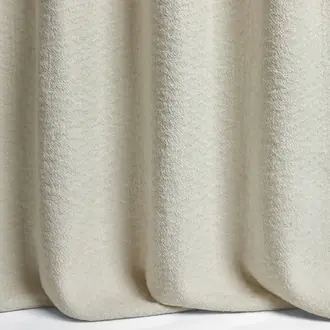
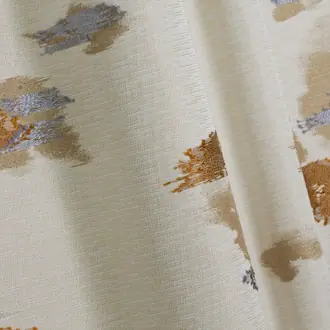
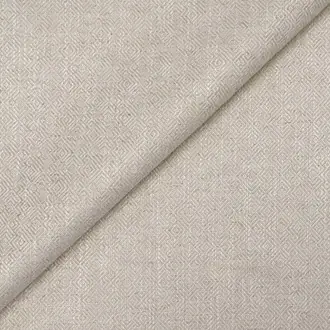
Raised yarns, small motifs and changes in transparency add detail without a strong colour contrast. Look at the fabric from across the room to see how much of that detail remains visible.

Light at the window
White Curtains, Sheers and Privacy
White sheer fabric softens the view through a window while allowing daylight to pass through. A fine voile, an open weave and a denser patterned sheer offer different levels of transparency. Hold samples against the actual window rather than judging them only against a tabletop.
Do not assume a white sheer will provide privacy after dark. When the room is lit and it is darker outside, visibility can change substantially. Check the sample under those conditions and consider a separate blind or lined curtain layer where privacy is important.
For a more substantial curtain, compare the face fabric with its proposed lining. Lining colour, weave density and the depth of the folds can all affect the finished appearance. White fabric can be used in a light-blocking treatment, but blackout performance depends on the specified fabric or lining and the complete installation.

Surface and everyday use
White Upholstery: Texture and Care
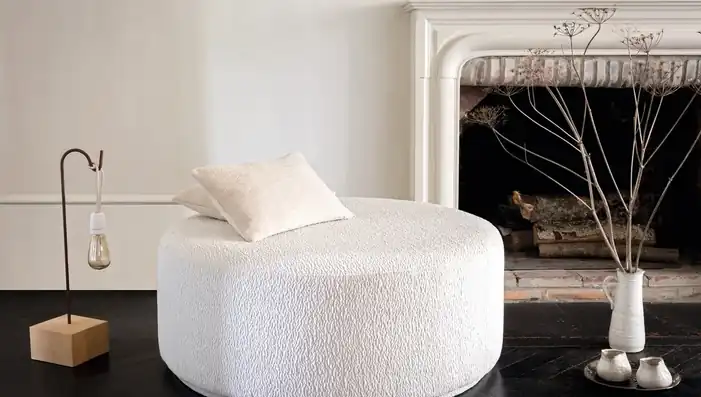
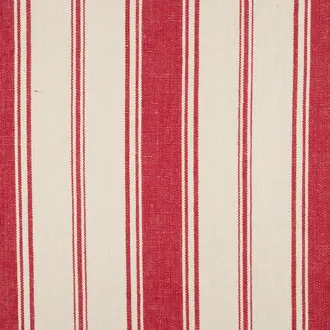
A textured white can give a chair or sofa definition through small areas of light and shadow. Compare a smooth weave with a nubbly surface or a subtle stripe. A white upholstery sample may look quite different stretched over a rounded arm from the same cutting lying flat.
Choose with the household and the piece of furniture in mind. Ask about the product’s intended upholstery use, recommended care and any documented stain-resistant finish. White colour, a synthetic fibre or a removable cover does not by itself establish that a fabric is washable or easy to clean.
For frequently used seating, discuss the complete specification with your upholsterer before ordering. Consider possible colour transfer from clothing as well as ordinary spills, and check cleaning guidance before applying any treatment. A fabric suitable for an occasional chair may not be the best choice for a busy family sofa.

Quiet pattern
Layering White Fabrics Without Losing Detail
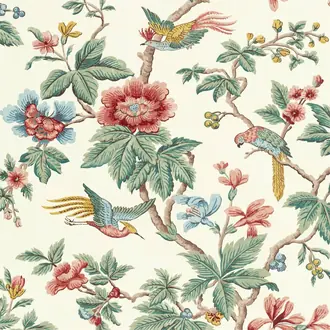
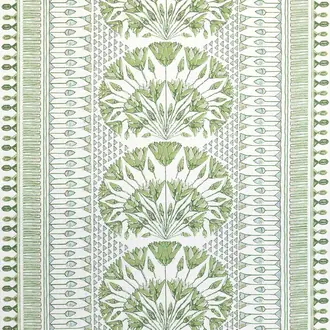
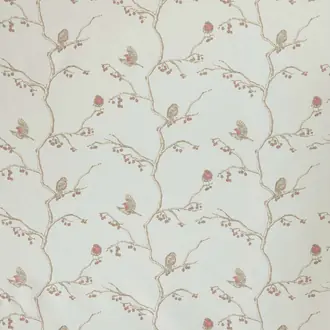
A white scheme can gain interest from a botanical sheer, a woven stripe or a small raised motif. Choose a change in scale or surface so adjacent fabrics remain distinct: an airy patterned curtain can sit alongside a denser plain cushion or textured upholstered piece.
Look at the background colour as well as the pattern. Cream embroidery on white, a pale grey line and a tonal white weave will each behave differently beside your paint and furniture. Backlighting may reveal a motif that is much less obvious when the curtain is folded.
For contrast, bring in timber, woven natural materials or a restrained accent colour. If you want a stronger monochrome design, compare the Black Fabric range. White works here as a light base; the right balance depends on how much of the finished surface is white rather than simply whether white appears somewhere in the design.
Compare before committing
Three Details That Change a White Scheme
Warm or cool surroundings
Place the fabric beside flooring, tiles and paint. A white that works with cool stone may feel different beside honey-coloured timber. Check under the lamps you normally use as well as daylight.
Transparency and lining
View curtain samples with light behind them. Check the proposed lining against the face fabric, especially with an open weave. Decide separately how much privacy and light control the room needs.
Texture at the right distance
A delicate weave can disappear visually from the doorway, while a larger raised pattern remains noticeable. Compare samples close up and across the room, using full product images for larger repeats.

Made to measure
White Curtains, Roman Blinds and Coordinating Cushions
A white window treatment can connect a bedroom or living room through repeated undertones rather than identical fabrics. Pair a sheer with a suitable lined curtain, or use a more substantial cloth for a Roman blind and pick up its texture in cushions.
TM Interiors offers made-to-measure curtains, Roman blinds and cushions using suitable fabrics. We can discuss headings, linings, interlining and decorative borders or trims. For sheers, consider how seams and heading details will look against daylight, and check the available width and intended fabric orientation.
Send your chosen fabric references and project measurements to info@tm-interiors.co.uk. We can help check suitability and the details needed for a quotation, including any separate privacy or blackout layer.

Samples and selection
Compare Whites in Your Own Room
Order available samples from the product pages and compare a small shortlist side by side. Include a crisper and a softer white if you are unsure, and place them beside the finishes that will remain in the room.
Hold curtain samples vertically, check sheers against the window, and view upholstery samples over a curved surface. Screen settings and photography can obscure small differences between whites. Use the product specification and full-repeat image alongside the sample before making your final choice.
Continue browsing
Related Designer Fabrics
Frequently asked questions
White Fabric FAQs
What is the difference between white, off-white and cream fabric?
White usually describes a clearer light shade, while off-white is softer and cream generally has a warmer tint. Supplier names vary, so use samples to compare the actual undertones. Cream Fabric is a useful separate range if you want a distinctly warmer result.
Will white sheer curtains provide privacy at night?
Do not rely on them alone without checking. When the room is lit and it is darker outside, an open weave can become more revealing. Test the sample at your window and consider a separate blind or lined curtain layer where privacy matters.
Can white curtains provide blackout?
Yes, a suitable white fabric or lined treatment can be specified for light control. The face colour alone does not determine performance. Discuss the blackout specification and the complete treatment, including how light may enter around its edges.
Is white upholstery fabric practical for everyday use?
It depends on the product, household and furniture. Check its upholstery recommendation, care instructions and any documented performance finish. Consider spills and colour transfer from clothing, and discuss the choice with your upholsterer.
Can I wash white furnishing fabric?
Only if the specific care instructions allow it. White is not a care category, and removable covers are not automatically washable. Linings, trims and the construction of the finished item may also affect the recommended cleaning method.
Why do two white fabrics look different together?
They may have different undertones, surfaces or levels of transparency. Nearby colours and lighting change their appearance too. Compare samples beside your paint and furnishings in daylight and under your usual evening lighting.
How can I add interest to an all-white scheme?
Vary the texture, weight and pattern scale. Try a patterned sheer with a more substantial plain or a softly raised upholstery weave. Compare the fabrics from across the room to see whether the detail remains visible.
Can you make white curtains, Roman blinds and cushions?
Yes, using fabrics suitable for each item. We can discuss headings, lining, interlining and finishing details. Send your preferred fabric references and measurements for selection advice and a made-to-measure quotation.