



Red Fabric
Explore designer red fabric, from brighter shades to deep wine and softer brick tones. Choose plains, woven textures and decorative patterns by the metre for curtains, upholstery, cushions and headboards, checking the recommended use of each cloth.
Order samples to compare warm and cool reds with your paint, flooring and furnishings. We can also help with suitable fabrics for made-to-measure curtains, Roman blinds, cushions and headboards.

Get A Quote

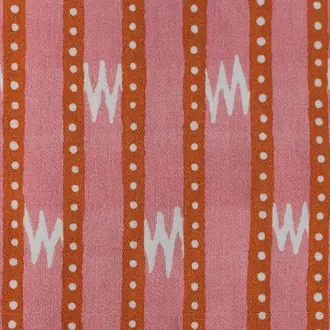
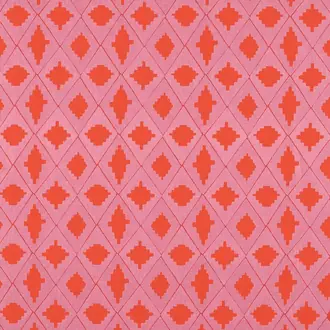
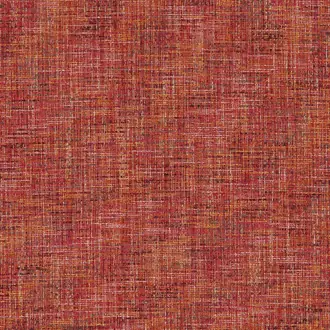
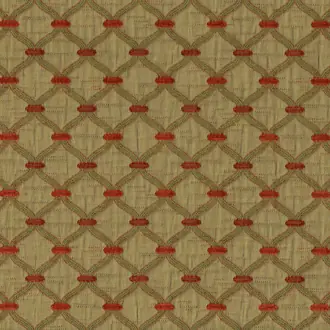


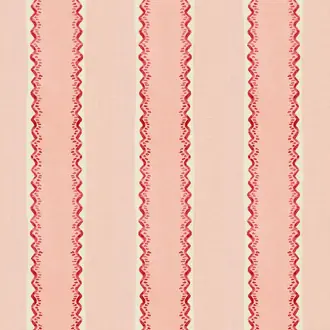
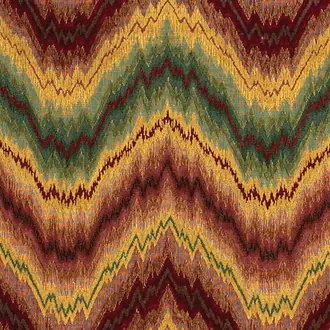

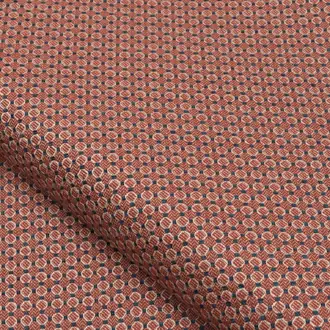
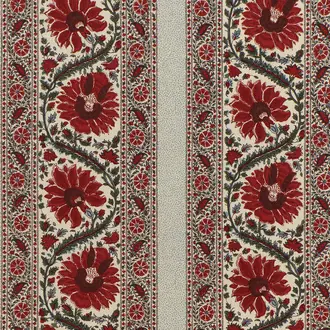
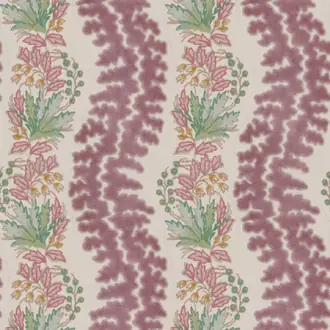
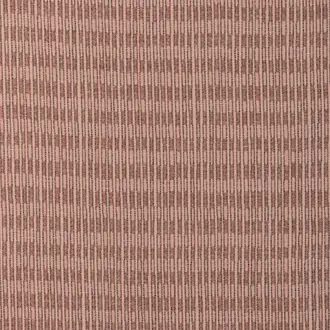
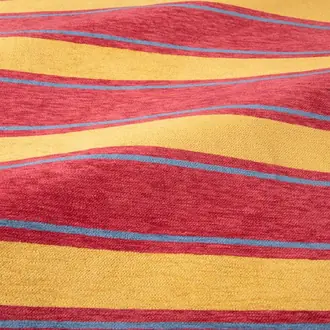
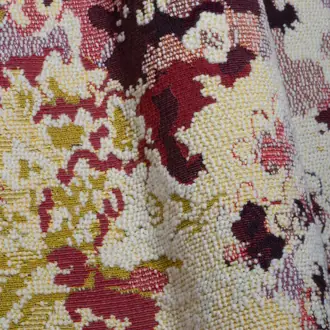
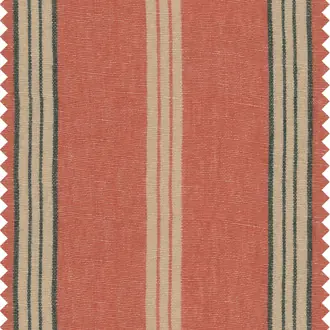
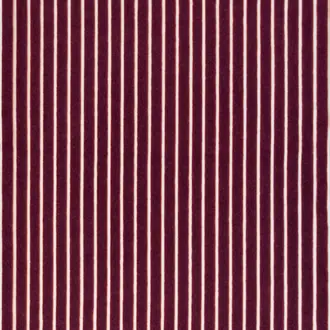
Shade, light and pattern
Choosing Red Fabric: Depth, Undertone and Proportion
Red can appear as a fine stripe, the ground of a decorative pattern or a substantial area of upholstery. Each uses the colour differently. Before choosing a shade, decide whether red should be the room’s main feature or a smaller detail repeated through cushions, curtains or a headboard.
Compare undertones as well as depth. A red with an orange influence can sit quite differently beside timber from a cooler, berry-toned red. A dark wine fabric may look almost brown or purple in some light, while a pale ground can make the red in a pattern appear clearer.
Clear and brighter reds
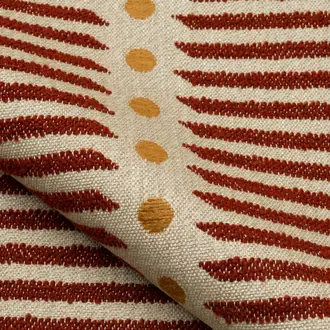
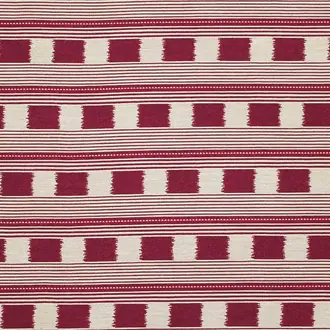
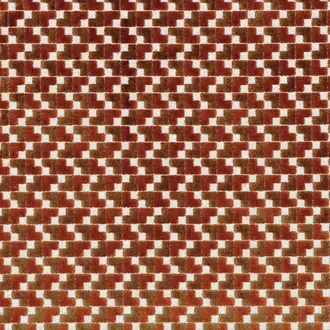
A stronger red creates a defined accent on a chair or at a window. In a red-and-white pattern, the balance of the two colours matters: narrow red lines on white read differently from white motifs on a red ground.
Brick and softened reds
Muted reds can bring colour into schemes with warm neutrals, timber and stone. Brick shades may lean towards orange or brown, so compare them with the permanent finishes rather than choosing by name alone.
Wine and deeper reds
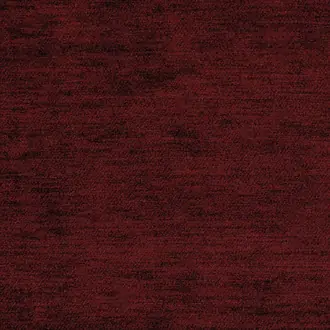
Deeper reds can add a rich surface to curtains or upholstery. Burgundy and claret names vary between suppliers; look for the balance of red, purple and brown in the actual sample, including its shaded folds.

At the window
Red Curtain Fabric: Plain Colour or Decorative Pattern?
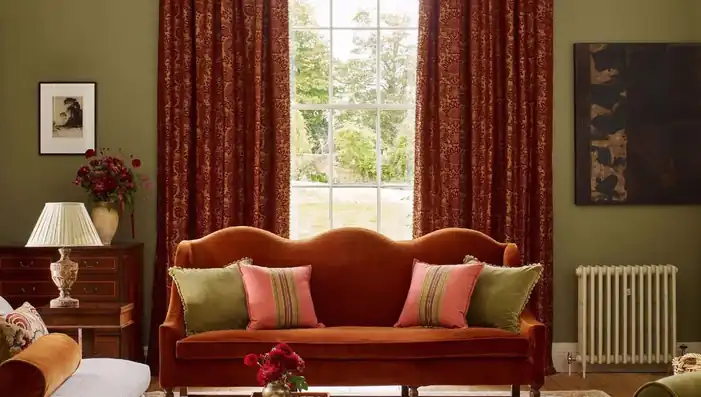
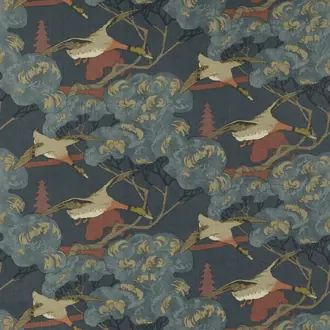
Plain red curtains give the shade and drape centre stage. A contrasting border or top section can change their proportions and connect them with another part of the room. Patterned curtains introduce a different rhythm, whether you choose a small repeat or a larger decorative motif.
Think about the view of the curtains when they are open as well as drawn. A red ground remains prominent in the folds, while a scattered red motif on a pale ground can read more softly. Look at the full repeat and consider how the heading will gather the design.
Hold samples vertically at the window, both with light behind them and with the proposed lining. Compare daylight with evening lighting before choosing. Privacy, blackout performance and protection for the cloth require their own specification; a deep red colour does not establish any of these on its own.

Seating and surface
Red Upholstery, Velvet and Woven Pattern
A red upholstered piece can anchor a room without every furnishing sharing the colour. A bench or occasional chair offers a smaller area to work with than a sofa. If the surrounding scheme is restrained, compare a plain cloth with a small woven pattern before deciding how much surface detail you want.
With red velvet, turn the sample and look at it from different angles. Pile direction changes light reflection and can make adjacent surfaces appear lighter or darker. A patterned weave creates another effect, combining coloured yarns or motifs rather than relying on a single uninterrupted shade.
Check the individual specification for the intended item and level of use. Colour and fibre name do not establish durability, cleaning requirements or suitability for seating. Your upholsterer can advise on pattern placement, pile direction and cutting allowances before you order fabric by the metre.

Pattern and colour companions
Red and White, Red and Blue, or Earthier Combinations
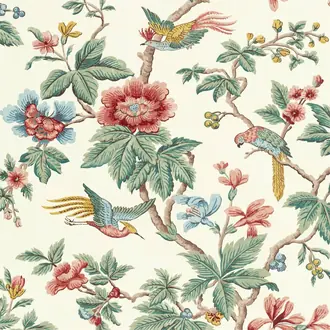
Red and white fabric can create a crisp contrast, but the shade of white makes a difference. Cream can soften the relationship, while a brighter white makes the pattern stand out more clearly. Compare the ground colour with painted woodwork and any plain fabrics nearby.
Red and blue designs can offer a ready-made palette for curtains and cushions. Decide which colour leads, then choose a companion plain from the smaller details. With a three-colour design, including red, white and blue, check the full repeat rather than assuming equal amounts of each colour.
Green, brown and warm neutrals provide other possibilities. Muted olive beside a softened red gives a different effect from strong green beside a bright red. Vary the scale when mixing patterns: a broad geometric curtain can sit with a quieter weave or a smaller motif without repeating the same design everywhere.
Before ordering by the metre
Three Practical Checks for Red Fabric
Amount of colour
Judge the fabric from across the room as well as close up. A small red motif, a broad stripe and a solid red ground will create different effects over a full curtain drop or upholstered surface.
Repeat and placement
Confirm usable width, pattern repeat and direction with your maker. Allow for matching curtain joins and placing motifs on cushions, Roman blinds and shaped headboards before calculating quantity.
Use, light and care
Check recommended uses and care instructions for the specific cloth. Ask about suitability for a strongly sunlit window or regularly used seat. A dark shade does not guarantee resistance to fading or wear.

Fabric and making services
Made-to-Measure Curtains, Roman Blinds, Cushions and Headboards
Buy red fabric by the metre for your own maker, or choose TM Interiors’ made-to-measure curtains, Roman blinds, cushions and headboards using suitable fabrics. Repeating red in a smaller detail can connect a patterned window treatment with seating elsewhere in the room.
For curtains, we can discuss headings, linings, interlining and finishing details. A Roman blind needs a repeat that works within its finished width; a headboard needs a motif placement that suits its shape. Cushions can introduce a contrasting plain, a smaller pattern or an appropriate trim.
Use our contact form to share your preferred fabric references, project measurements and intended use. We can help you check the specification and work through the details needed for a quotation.

Samples and selection
Compare Red Fabrics in Your Own Light
Order available samples from the product pages and compare a small shortlist beside the finishes you are keeping. If you are undecided, include a warmer red, a cooler red and a quieter pattern rather than several almost identical choices.
View them in daylight and under your evening lamps. Screens can make red, coral and pink harder to separate, so use the actual sample to judge the boundary. Look at the weave close up, turn pile fabrics and use a full-repeat photograph alongside small patterned samples.
Continue browsing
Related Designer Fabrics
Frequently asked questions
Red Fabric FAQs
Can I buy red fabric by the metre?
Yes. Check each product’s ordering options, usable width and recommended uses. Some designer fabrics require an enquiry. Confirm quantities, pattern matching and cutting allowances with your maker before ordering.
What is the difference between warm and cool red fabric?
Warmer reds tend to show an orange or earthy influence, while cooler reds can lean towards berry or purple tones. Shade names vary between suppliers, so compare the actual samples with your room’s finishes.
Are burgundy, wine and claret fabrics the same colour?
No. These names generally describe deeper reds, but the balance of red, purple and brown varies between fabrics. Check the sample in both daylight and evening lighting rather than treating the names as exact matches.
Which colours go with red fabric?
White or cream can provide contrast, blue can form part of a patterned scheme, and green or brown can introduce an earthier combination. The shade, undertone and proportion of each colour determine the result.
Can the same red fabric be used for curtains and upholstery?
Some fabrics are suitable for both, but others are intended for a particular application. Check the individual specification and care instructions, then confirm suitability for the finished item with your maker.
Why does red velvet look darker from one angle?
The pile reflects light differently as its direction and your viewing angle change. Turn the sample in the room and agree a consistent pile direction with your maker before cutting.
Can you make red curtains, Roman blinds, cushions and headboards?
Yes, using suitable fabrics. We can discuss fabric selection, headings, linings, finishing details and headboard dimensions. Share your fabric references and measurements through our contact form for advice and a quotation.
How can I introduce red without using it throughout the room?
Start with a cushion, an occasional chair, a blind or a pattern with a smaller proportion of red. Repeat a detail elsewhere if you want to connect the scheme, and compare samples before choosing a larger area of plain colour.