



Brown Fabric
Discover our range of Brown fabrics that evoke stability and warmth, perfect for connecting your interior design with the natural world.
Our selection ranges from dark brown to lighter tones, perfect for adding depth and comfort to your home decor. Order samples to compare brown undertones beside your flooring, furniture and paint. For made-to-measure curtains, Roman blinds or coordinating cushions, we can help you choose a suitable fabric and finish.

Get A Quote

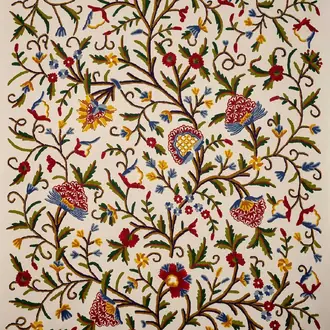
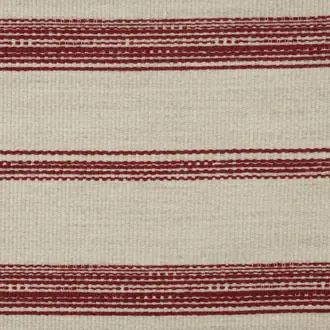
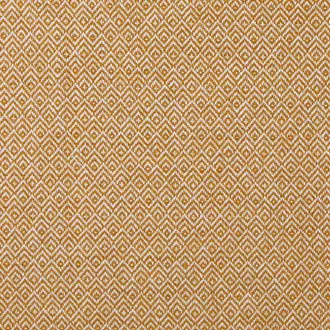
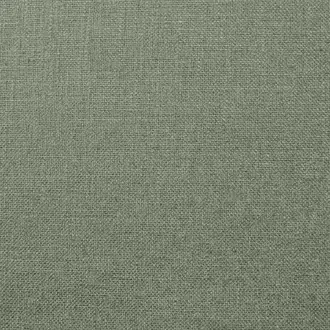
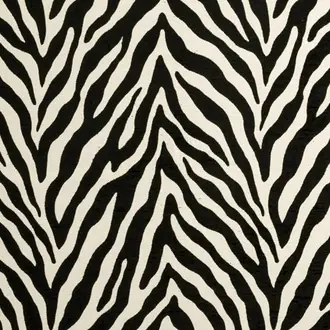


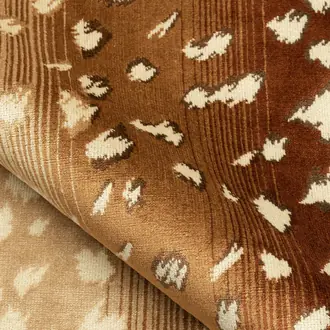
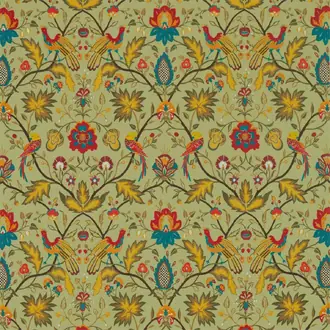
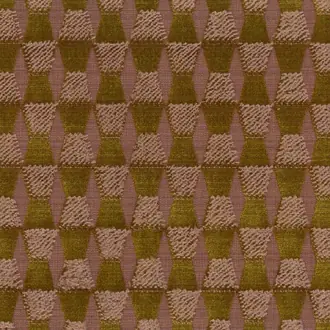
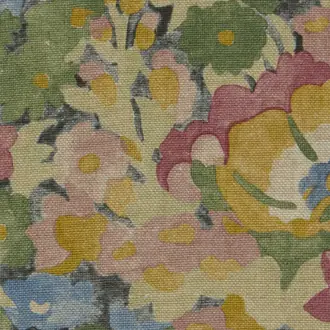
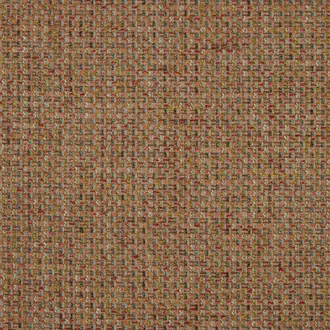
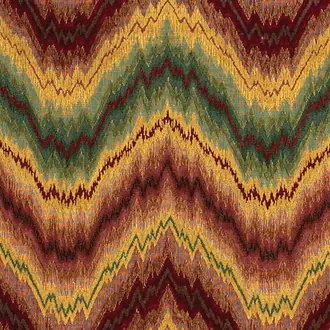
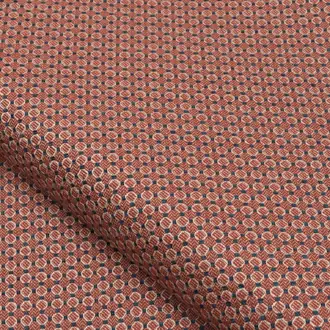
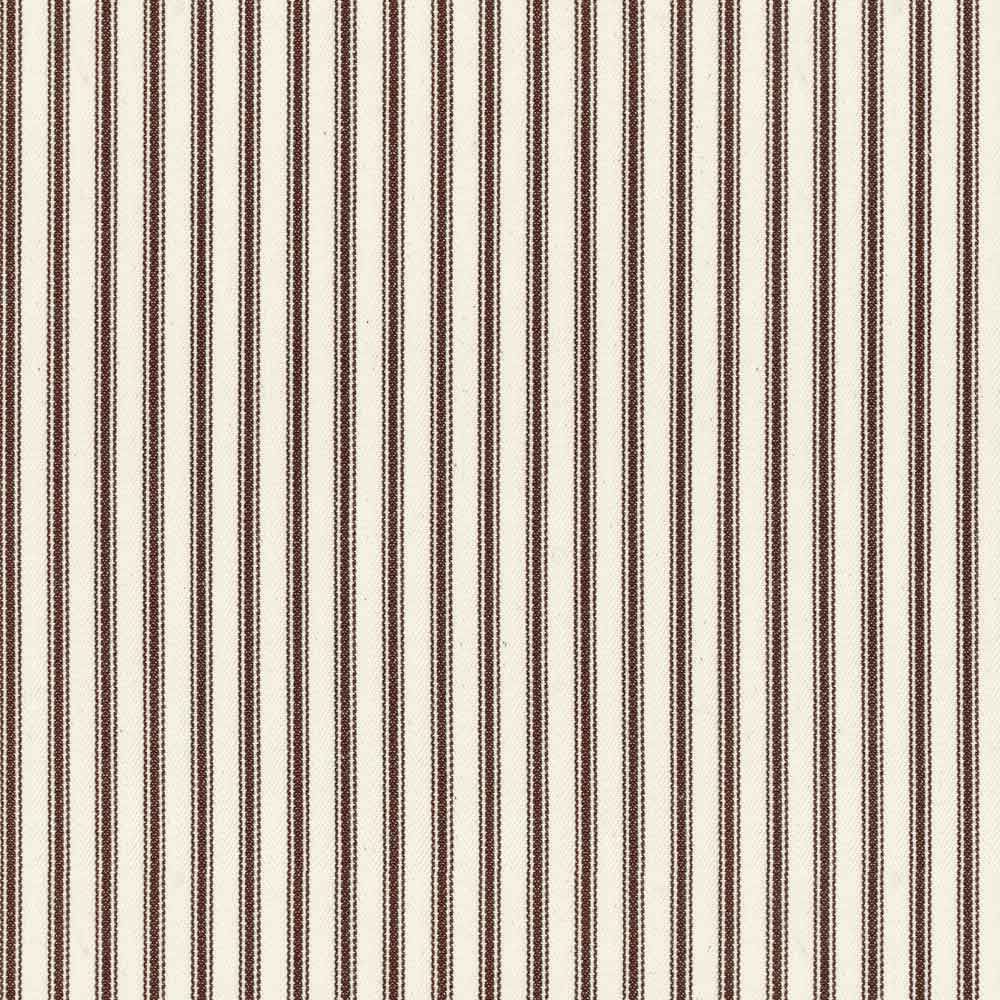

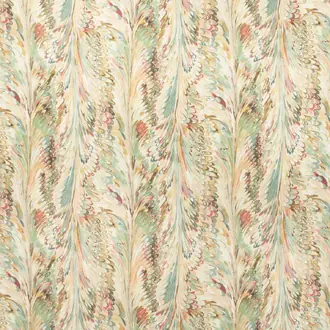
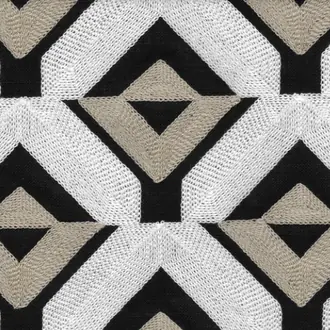

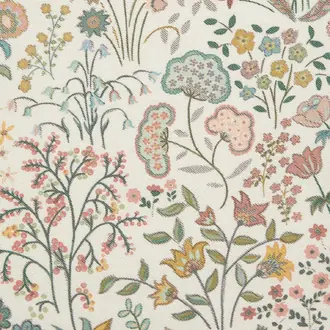

Shade, surface and contrast
Choosing the Right Brown Fabric
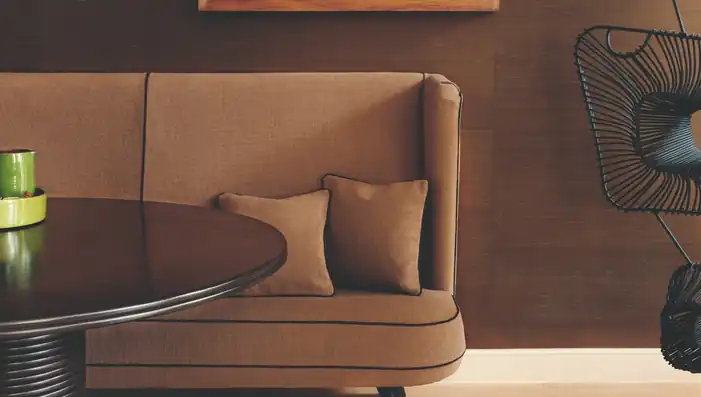
Brown can connect a room’s textiles with timber, leather and stone, but those materials do not need to match exactly. A deep chocolate sofa, a tan curtain and a brown-and-cream pattern each bring a different balance of depth and contrast. Choose the fabric’s intended use first, then compare its undertone with the finishes that will remain in the room.
Some browns lean towards red or gold; others appear more muted or grey. These differences become clearer beside another brown, particularly a wooden floor or a large piece of furniture. A sample in your own room is more useful than relying on a shade name alone.
Deep chocolate browns
Darker browns give definition beside cream, pale stone or lighter timber. Compare a smooth surface with a raised weave: shadows and reflected light can make the same depth of colour feel quite different.
Tan and warmer browns
Golden or reddish brown tones can pick up warmth in oak, terracotta or aged brass. View them together before ordering; two warm finishes may have noticeably different undertones.
Muted brown and taupe
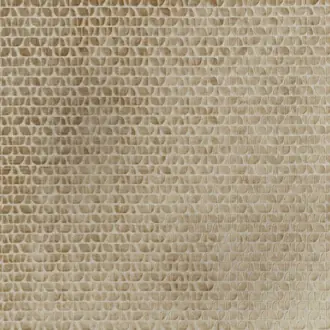
Grey-influenced browns can suit a quieter palette. Taupe sits close to the boundary with beige and grey, and supplier naming varies. Compare the actual cloth with neighbouring neutral ranges.

At the window
Brown Curtain Fabric and the Effect of Light
A brown curtain can frame a pale wall or continue a deeper room palette. Before choosing a dark cloth, consider how much fabric will remain visible when the curtains are open. Full-length curtains with generous folds create a larger area of colour than a small cutting suggests.
Hold samples vertically at the window and check them both with daylight behind them and with the curtains drawn. A more open weave may look lighter when backlit; a denser fabric can show stronger changes between the face of a fold and its shadow.
Compare the face fabric with the proposed lining. Brown colour alone does not provide blackout or establish fade resistance. Choose the lining and complete treatment for the room’s light-control needs, and ask about the individual fabric’s suitability for a strongly sunlit position.

Depth and surface
Brown Upholstery: Plains, Weaves and Velvet
A brown sofa or armchair can bring a substantial area of colour into a scheme. Smooth plains give a clear outline, while textured weaves break up the surface with smaller variations in light and shade. Compare the sample over a curved arm or cushion as well as lying flat.
Brown velvet can appear lighter or darker as the pile catches the light. Rotate the sample and look at it from different positions. Agree the pile direction with your upholsterer before cutting; a photograph cannot show every angle of the finished piece.
Check the product’s upholstery recommendation and care instructions for the furniture you have in mind. A dark shade may disguise some marks, but it does not establish stain resistance or durability. Frequently used seating needs an appropriate specification, regardless of colour.

Pattern and balance
Brown Patterns with Cream and Colour
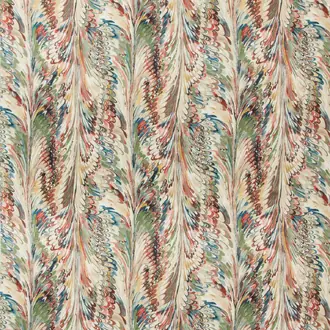
Brown and cream patterns offer contrast without the sharpness of black and white. A toile can create a detailed traditional effect, while a check, stripe or geometric design gives a more regular rhythm. Look at the proportion of brown in the whole repeat: a fine brown motif on cream will read lighter than a mostly brown ground.
Choose pattern scale for the finished item. A large design may need a generous curtain drop or a broad upholstered surface to show clearly. For smaller cushions or narrow blind panels, check which parts of the repeat will remain visible after seams and finishing.
When combining patterns, vary their scale and include a quieter surface. A detailed curtain can work with a small check or a textured plain, provided the undertones sit comfortably together. Use full-repeat product images alongside samples, which may show only a small part of the design.
Building the palette
Three Ways to Coordinate Brown Fabric
With timber and stone
Compare fabric directly with flooring and furniture. A deliberate difference in depth can be easier to balance than an almost-match. Use a lighter textile to separate a dark wooden frame from darker upholstery.
With cream and beige
Lighter neutrals can keep a brown scheme open and give patterns room to show. Check whether the neutral is creamy, pinkish or grey beside your chosen brown rather than assuming all natural shades coordinate.
With blue, green or rust
A blue or green accent can introduce a different temperature, while rust can continue the warmth. Try the colours in the proportions you intend to use; a small cushion and a full curtain create very different balances.

Made to measure
Brown Curtains, Roman Blinds, Cushions and Headboards
Use a plain brown curtain to give a patterned chair space, or repeat one brown tone through a blind and a small group of cushions. The fabrics can share an undertone while differing in weave and scale, helping the room feel connected without using the same cloth everywhere.
Buy brown fabric by the metre for your own maker, or create your made-to-measure curtains, Roman blinds or headboard online. Where available, use the made-to-measure options on the fabric’s product page to enter your measurements, choose your details and order your finished piece.
For curtains, consider headings, linings, interlining and finishing details. With checks and stripes, think about how the design will sit across joined curtain widths or within a Roman blind. For a headboard, consider the shape and motif placement; coordinating cushions can introduce a smaller pattern, plain reverse or contrasting piping.
If you need help choosing a suitable fabric, using the online options or arranging made-to-measure cushions, use our contact form. Share your preferred fabric reference and project details so we can advise.

Samples and selection
Compare Brown Fabrics at Home
Order available samples from the product pages and compare a short selection beside your paint, flooring and furniture. Include a lighter and a deeper option if you are unsure how much brown the room needs.
View the cloth in daylight and under your usual evening lighting. Turn pile fabrics, hold curtain samples vertically and check patterns against their full-repeat photographs. Photography and screens cannot reliably settle small differences in undertone.
Continue browsing
Related Designer Fabrics
Frequently asked questions
Brown Fabric FAQs
What colours go with brown fabric?
Cream and beige offer lighter contrast, while blue or green can introduce a different temperature. Rust and terracotta can continue a warm palette. Compare samples beside existing finishes and judge the colours in the proportions you plan to use.
What is the difference between brown, tan and taupe fabric?
Tan usually describes a lighter warm brown, while taupe often includes a grey influence. Supplier names vary and these shades overlap neighbouring neutral families. Use samples to judge the actual colour rather than treating the name as a precise standard.
Will dark brown curtains make a room feel darker?
They introduce a deeper area of colour, but the effect depends on the window, wall colour and how much fabric remains visible when open. Compare a sample in position and consider the curtain stack, lining and surrounding lighter surfaces.
Is brown fabric suitable for upholstery?
Many brown fabrics are intended for upholstery, but suitability belongs to the individual product. Check its recommended use, performance information and care instructions with your upholsterer for the particular furniture and level of use.
Why does brown velvet look different from different angles?
The pile reflects light differently as the viewing angle and pile direction change. Turn your sample and look at it in the room. Agree the cutting and pile direction before making curtains or upholstering furniture.
Can I combine brown patterns with plain fabric?
Yes. Pick up a brown tone from the pattern in a plain or textured companion. Check the background shade too, and vary the scale if combining more than one pattern. A full-repeat image helps assess larger designs.
Is brown upholstery easy to keep clean?
Colour alone does not establish cleaning performance. Check the specific care instructions and any documented protective finish. A darker shade may conceal some marks while still showing dust, lint or changes in a pile surface.
Can I order brown curtains, Roman blinds, cushions and headboards?
Yes, using suitable fabrics. Where available, configure and order curtains, Roman blinds or headboards through the fabric’s product page. For help with the online options, fabric suitability or made-to-measure cushions, use our contact form.