


Silver Wallpaper
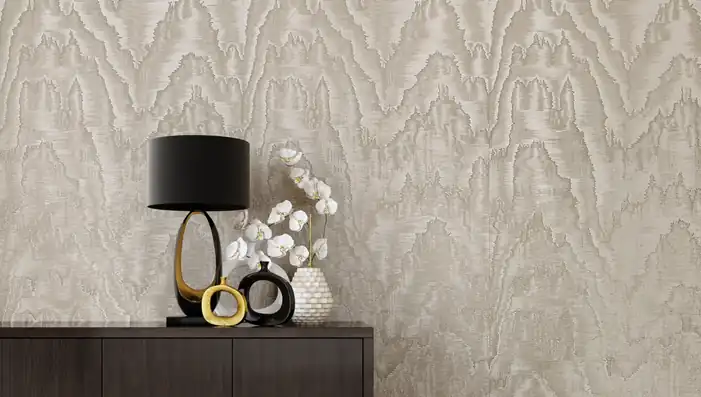
Explore designer silver wallpaper in finishes ranging from pearl, mica and soft platinum to aged silver, pewter and dark gunmetal. The collection brings together subtle textures, damasks, botanical patterns, geometrics and panoramic designs that use reflection to add depth rather than simply introducing another shade of grey.
<Silver changes with the room. Matte and silk-effect surfaces provide a quieter lustre, while foil, metallic ink, glass bead and patinated finishes respond more visibly to daylight and artificial lighting. Order samples to compare the true colour, scale and reflectivity before choosing.

Get A Quote

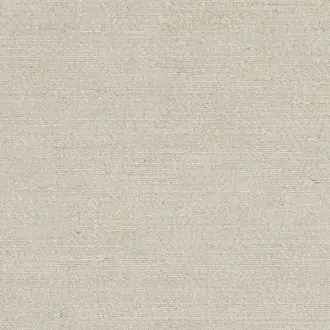
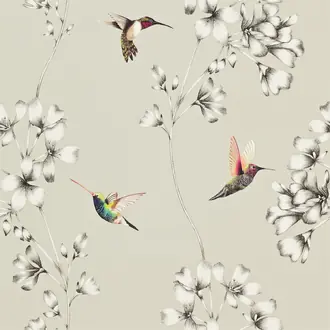
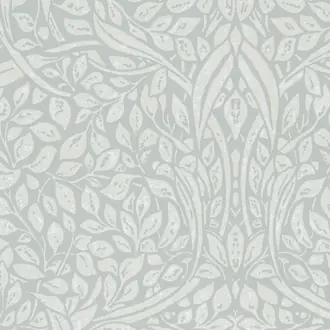
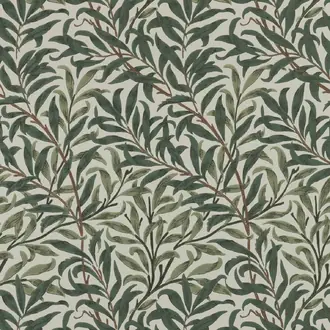
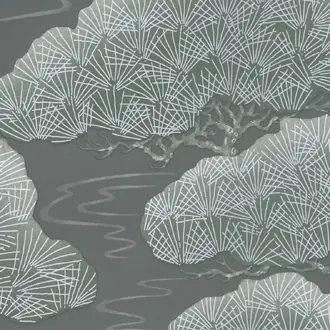
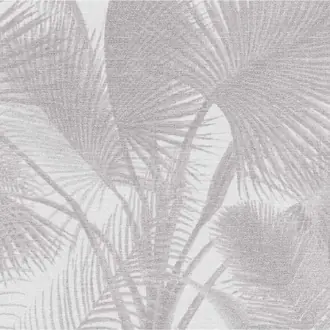
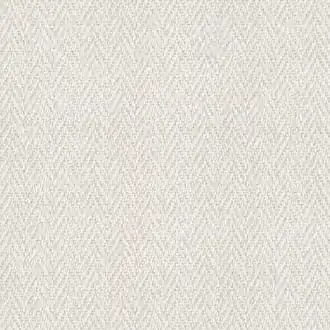
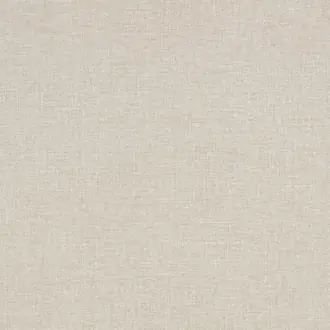
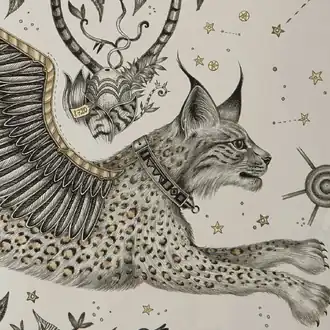
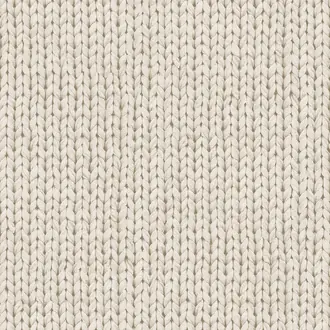
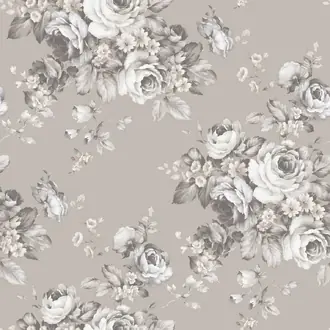

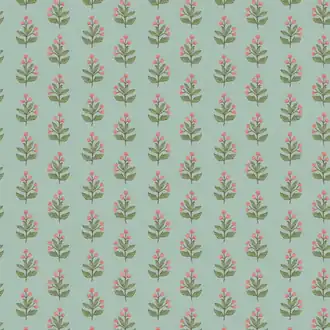
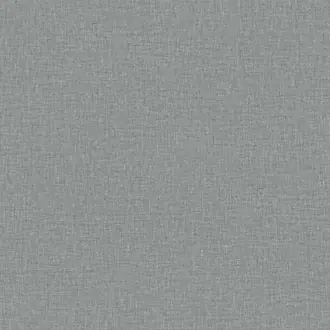
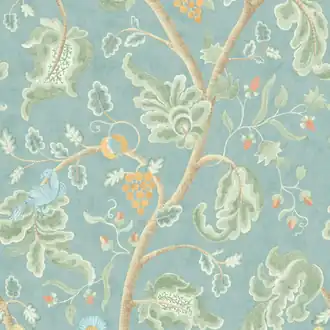

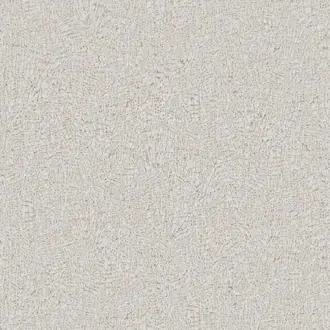
Lustre, texture and colour shaped by light
Silver Wallpaper Is More Than Metallic Grey
Silver wallpaper is defined as much by finish as colour. Pearl and platinum tones can be quiet and luminous, while pewter, aged metal and gunmetal create greater depth. The amount of reflection determines whether a design reads as a soft neutral or an unmistakably metallic surface.
Pattern also controls the effect. Fine texture distributes light evenly; raised damask and geometric designs create contrasting highlights; murals use silver as one component within a broader tonal composition.
Pearl and pale silver
Soft reflective tones bring light to a scheme without the harder appearance associated with mirror-like foil.
Pewter and aged silver
Smokier finishes combine silver with grey, taupe or charcoal for a quieter and more architectural result.
Foil, mica and glass bead
More reflective materials create stronger highlights and should be assessed under the room's intended lighting.

Quiet and adaptable
Pearl, Platinum and Pewter Wallpaper
Pale silver can behave like a light neutral while adding a subtle response to light. Pearl shades often contain warm ivory or soft grey; platinum is typically cooler and clearer; pewter carries greater depth and may include taupe or charcoal undertones.
Warm white, pale timber and natural stone soften cool silver. Black, charcoal and dark bronze provide definition, while muted mauve, blue and green introduce restrained colour.
Use a fine repeat or silk-effect texture across several walls, reserving stronger foil or glittered surfaces for areas where controlled reflection is desirable.

Reflection carried by pattern
Patterned Silver Wallpaper
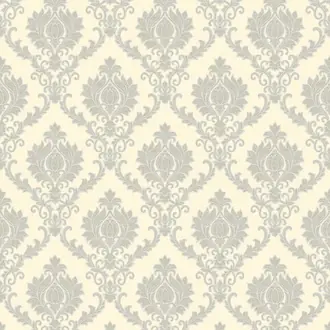
Florals, leaves, damasks and geometrics make silver easier to combine with other materials. A motif may use metallic ink only on selected areas, allowing highlights to emerge as the viewing angle changes rather than reflecting across the whole wall.
Patterns containing taupe, cream, charcoal or brown are particularly useful for connecting silver with timber, upholstery and flooring. Repeat one or two of those secondary colours elsewhere in the room.
Check the repeat and available wall area before choosing. Large motifs need visible space, while smaller patterns adapt more comfortably to walls interrupted by doors, windows or joinery.

Lustre through material
Natural and Textured Silver Wallcoverings
Silk effects, paperweaves and natural fibres create a softer form of silver. Their irregular surfaces divide the reflection into small highlights and shadows, allowing the wall to change gently rather than shine uniformly.
Texture works well across complete rooms because it reads as part of the architecture. Natural materials may display tonal movement, panel variation and visible joins as part of their intended character.
Pair cool silver with warmer materials such as walnut, oak, linen, leather and limestone to prevent the scheme from feeling clinical.

Tonal detail at a larger scale
Silver Murals and Panoramic Wallpaper
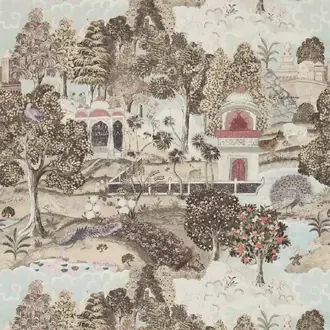
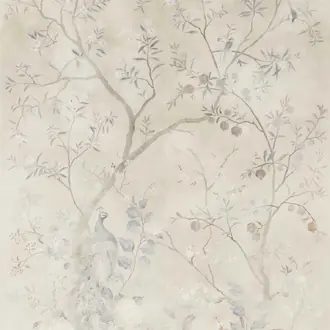
Panoramic designs can use silver as atmosphere rather than a flat colour. Monochrome landscapes, botanical scenes and abstract compositions combine pale highlights with charcoal depth, giving the room several tones to draw into furniture and fabrics.
Plan the composition around the architecture. Identify where principal features will sit beside windows, doors, fireplaces and large furniture, and check which parts may be concealed after installation.
Where a room has little uninterrupted wall space, a repeating silver pattern may provide more flexibility while retaining a similarly layered effect.

The darker metallic palette
Dark Silver, Gunmetal and Charcoal Wallpaper
Dark silver sits between metallic and charcoal. Gunmetal, graphite and oxidised finishes create an enveloping background, while reflected highlights prevent the surface from appearing completely flat.
These shades suit dining rooms, bedrooms, snug living spaces and focal walls where greater depth is welcome. Balance them with pale upholstery, warm timber, stone or carefully positioned lighting.
Embossed and woven designs create stronger shadows than printed papers, so assess both their face colour and surface relief before ordering for several walls.
Building a considered scheme
Choose Reflection, Undertone and Scale Together
Silver is unusually responsive to its surroundings. Assess the finish in the intended room and decide whether the wall should provide a quiet lustre, a defined metallic feature or tonal depth.
Test the lighting
View samples in daylight and under the actual lamps. Directional light can emphasise foil, glass bead, relief and changes between lengths.
Read the undertone
Silver may lean cool blue-grey, warm taupe or soft pearl. Compare it directly with flooring, paint, metals and permanent joinery.
Balance the surface
Use timber, stone, wool, linen and matt paint to offset reflection. Keep neighbouring finishes quieter where the wallpaper is highly metallic.

Samples and selection
See the Finish in Your Own Light
A screen cannot reproduce silver accurately because the colour changes with viewing angle, surrounding materials and the direction of light. Two designs that look similar online may differ substantially in warmth and reflectivity.
View samples vertically beside your paint, flooring, fabrics and furniture throughout the day. For murals and large repeats, use the sample to assess colour and material, then refer to the complete product image and technical information for composition and scale.
Continue browsing
Related Designer Wallpaper
Frequently asked questions
Silver Wallpaper FAQs
What is the difference between silver and grey wallpaper?
Grey describes the base colour, while silver normally includes a reflective or lustrous finish. Some silver designs are subtly pearlescent; others use metallic ink, foil, mica or glass bead. The distinction is clearest when a physical sample is viewed as the light changes.
What colours work well with silver wallpaper?
Warm white, stone, taupe, charcoal and natural timber balance silver. Navy, soft blue, green and muted mauve keep the palette cool, while rust, ochre and burgundy introduce warmer contrast. Use secondary colours within the wallpaper as a reliable starting point.
Can silver wallpaper be used throughout a room?
Yes. Fine textures, silk effects and restrained metallic patterns can work across several walls. Highly reflective foil, glittered or glass-bead designs may be more comfortable as a feature, depending on the room's light and scale.
Does silver wallpaper make a room feel brighter?
A reflective surface can return more light than a flat dark finish, but it cannot replace adequate lighting. Pale silver may help a room feel lighter; darker pewter and gunmetal create depth even when their highlights catch the light.
Which rooms suit silver wallpaper?
Silver works in living rooms, bedrooms, dining rooms, halls and home offices. Quiet pearl textures suit restful spaces, while stronger metallic patterns and murals can provide a more formal or dramatic focal point.
Why should I order a silver wallpaper sample?
Reflectivity, undertone and texture cannot be judged accurately on screen. A physical sample shows whether the design leans cool or warm and how it responds to daylight, lamps and different viewing angles.
Will metallic silver wallpaper show joins?
Some metallic and natural surfaces reveal joins more readily because adjacent lengths reflect light differently. Follow the manufacturer's hanging instructions, check roll sequence and reverse-hanging guidance, and use an experienced installer where recommended.
Does specialist silver wallpaper require professional installation?
Many foil, metallic, natural, glass-bead and panelled wallcoverings benefit from professional installation. Correct wall preparation, adhesive choice and handling help protect delicate surfaces and achieve the intended finish.