



Velvet Wallpaper
Explore luxury velvet wallpaper and tactile textile wallcoverings from leading international designers. The collection includes rich plain velvets, sculpted three-dimensional patterns and designs combining velvet appliqué with embroidery, metallic detail and contrasting textile grounds.
Velvet’s soft pile gives colour exceptional depth and changes subtly with the direction of light. Alongside genuine velvet wallcoverings, selected velvet-effect and suede-touch designs offer a similarly soft appearance in a range of specialist constructions. Order samples to compare the colour, texture and finish in your own interior.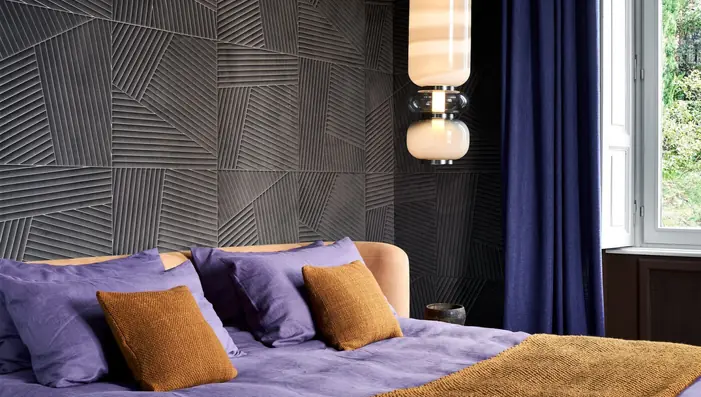

Get A Quote

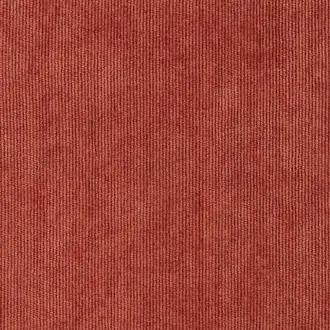


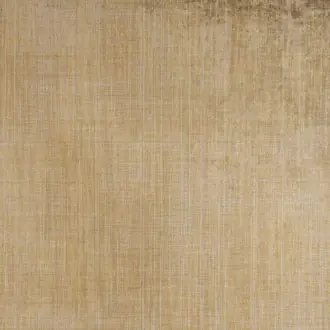


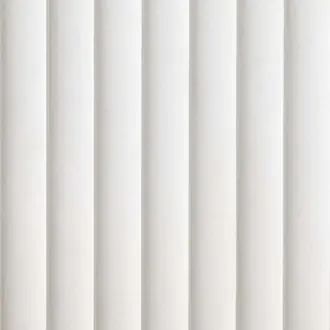


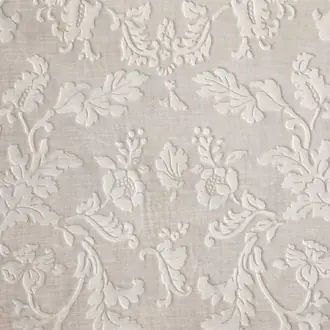








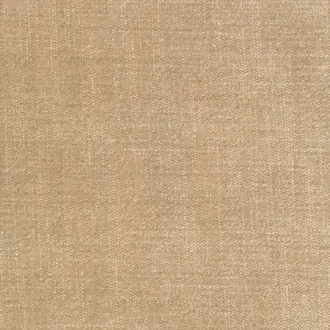





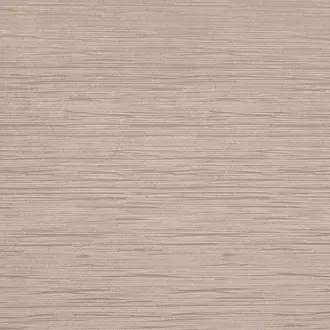


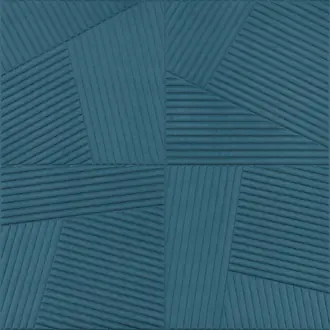


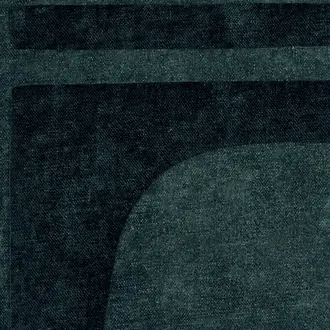


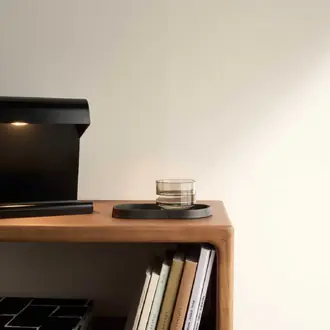



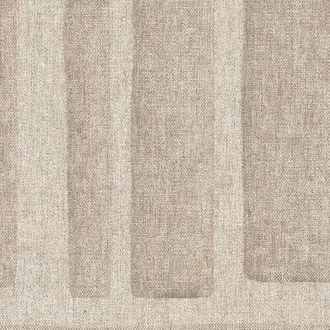


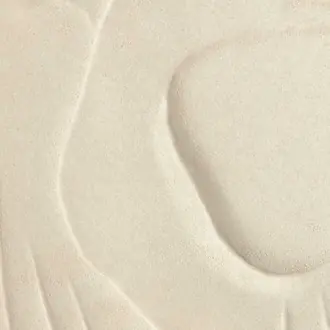

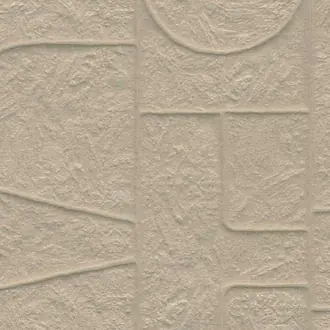


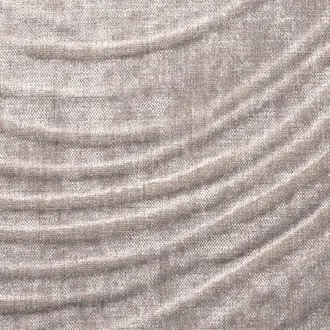


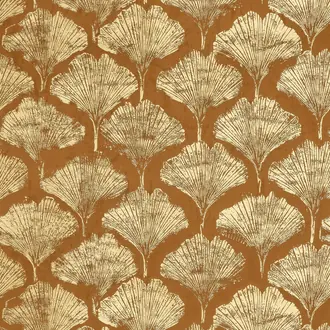





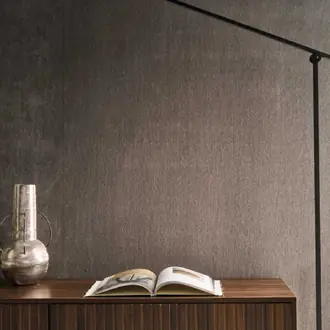








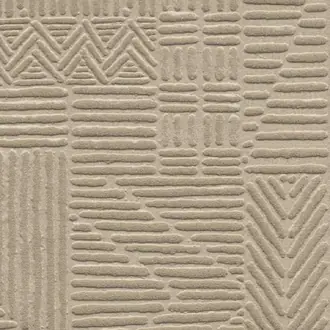


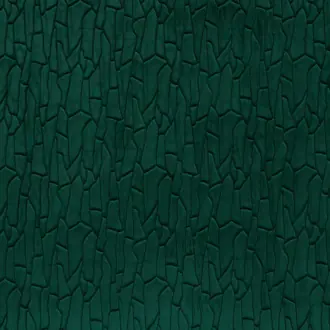


Soft pile, dimensional pattern and changing light
What Is Velvet Wallpaper?
Velvet wallpaper and wallcovering use a soft textile pile to create depth, rich colour and a surface that changes subtly with light and touch. Some designs cover the complete wall in plain velvet; others use velvet as a raised appliqué, jacquard or sculpted element within a pattern.
The collection also includes selected velvet-effect and suede-touch wallcoverings. These can provide a similarly soft appearance, but their construction differs from genuine velvet. Check the individual composition, backing and hanging instructions when comparing products.
Full velvet surfaces
Plain and subtly textured velvets use the pile across the complete face, allowing colour and directional shading to become the principal feature.
Patterned and 3D velvet
Cut, embossed, sculpted or layered velvet creates geometric relief, broad stripes and other patterns with greater depth and shadow.
Velvet appliqué
Selected wallcoverings apply velvet shapes to textile, metallic or leather-look grounds, combining contrasting surfaces within one design.

Rich colour with a softly changing surface
Plain and Luxury Velvet Wallcoverings
Plain velvet wallcovering relies on material rather than printed motif. The pile absorbs and reflects light in different directions, giving deep green, blue, black and brown tones particular richness while soft neutrals take on a quieter, more enveloping character.
Directional shading is part of velvet's appearance. Two areas can seem lighter or darker depending on the angle of the pile, the position of a window and the direction from which the wall is viewed. This is not necessarily a fault, but it makes sampling and consistent installation particularly important.
Crushed velvet wallcovering makes this variation more pronounced. Its deliberately irregular or directional pile creates softly mottled areas that shimmer as the light and viewing angle change. Check the individual specification to distinguish genuine crushed velvet from a printed or embossed velvet-effect finish.
Phillip Jeffries Velvet Cocoon demonstrates the breadth of this approach, from jewel-like colour to versatile neutrals, with the tactile surface providing the decorative interest.

Relief, shadow and architectural rhythm
Patterned and 3D Velvet Wallpaper
Three-dimensional velvet wallcoverings shape the pile into ribs, curves, herringbones and geometric relief. Light falls differently across the raised and recessed areas, so the pattern remains visible even where the colour palette is restrained.
Large-scale relief needs enough unobstructed wall to be appreciated, while finer ribs and quiet geometric repeats can continue behind furniture and artwork. Review both room photography and the stated pattern dimensions before choosing.
Arte Anicca uses changing diagonal lines to create a tactile 3D composition, demonstrating how velvet can feel architectural and contemporary rather than traditionally ornate.

A tactile finish for calm, layered interiors
Velvet Wallcovering for Bedrooms and Living Spaces
Velvet works particularly well where the wall is intended to feel soft and atmospheric. In bedrooms, dining rooms and sitting spaces, a plain or lightly marked velvet can provide depth without introducing a busy repeat.
Consider the relationship between the wall and surrounding textiles. Velvet curtains or upholstery do not need to match exactly; contrasting the direction, weight or colour of the pile can create a more balanced scheme. In darker rooms, test whether the surface absorbs more light than expected.
Élitis Alcove II shows how a mottled velvet surface can behave almost like colour-washed plaster while retaining the softness and variation of a textile wallcovering.

Similar softness, different construction
Velvet, Suede-Effect and Flock Wallpaper
Velvet, suede-effect and flock wallcoverings can all feel soft, but the terms do not describe the same construction. Genuine velvet has a textile pile; a suede-effect surface may use fibres or embossing to recreate a brushed touch; flock applies fibres selectively to form a raised pattern.
Chenille is another separate textile construction and should not automatically be described as velvet. Product descriptions, composition and manufacturer specifications should determine the correct classification rather than appearance alone.
If you want a continuous, fabric-like surface, begin with velvet or suede-effect wallcoverings. If you want a raised motif contrasting with a visible ground, the separate flock collection may provide the more appropriate result.
Before ordering and installation
Check Direction, Backing and Product-Specific Instructions
Velvet wallcoverings vary considerably in width, backing and construction. Always use the technical information and hanging instructions supplied for the individual product.
Keep the direction consistent
Where a product has a visible nap, the direction of every drop affects shading. Confirm the manufacturer's recommended orientation and do not reverse drops unless instructed.
Protect the surface
Adhesive, water, pressure and rubbing may mark a delicate textile pile. Follow the stated adhesive and smoothing method rather than applying one general technique to every velvet product.
Use specialist installation
Professional installation is advisable for wide-width, paneled, embroidered, foam-backed and other specialist velvet wallcoverings where seams and handling require particular care.

Samples and selection
See Velvet Colour, Pile and Shading at Home
A sample is essential for judging the true colour, softness, pile direction and response to light. Move it between walls and view it from different angles in daylight and evening light.
A small sample may not show the complete repeat of a patterned or 3D design. Use it to assess the material, then consult the room image, full pattern view and technical dimensions before ordering.
Continue browsing
Related Designer Wallcoverings
Frequently asked questions
Velvet Wallpaper FAQs
What is velvet wallpaper?
Velvet wallpaper is a textile wallcovering with a soft pile across all or part of its surface. Some designs are plain velvet, while others use cut, sculpted, embroidered or applied velvet to create pattern and three-dimensional relief.
Is velvet wallpaper the same as flock wallpaper?
No. Genuine velvet has a textile pile or velvet surface. Flock wallpaper is made by applying short fibres selectively to a ground to form a raised pattern. Both can feel soft, but their construction and visual effect differ.
What is velvet-effect wallpaper?
Velvet-effect wallpaper recreates some of velvet's softness or changing appearance without necessarily using genuine velvet. It may be described as suede-like, velvet-touch or velvety, so check the individual composition and technical specification.
What is crushed velvet wallpaper?
Crushed velvet wallcovering has a deliberately irregular or directional pile that creates shifting areas of light and shade. The surface can appear softly mottled or shimmering as the viewing angle changes. Construction varies, so check the individual product specification to confirm whether it uses genuine crushed velvet or a printed velvet-effect finish.
Why does velvet wallpaper appear to change colour?
The pile reflects light differently according to its direction and the viewing angle. This natural shading can make areas appear lighter or darker as daylight, artificial light or your position in the room changes.
Does all velvet wallpaper improve acoustics?
No. Some specialist foam-backed or designated acoustic textile wallcoverings can help absorb sound, but this should not be assumed for every velvet product. Check whether acoustic performance is stated for the specific wallcovering.
How should velvet wallpaper be installed?
Installation depends on the product's backing, width and construction. Follow the manufacturer's instructions for adhesive, direction, trimming and smoothing. Protect the face from adhesive and moisture, and consider a professional installer for specialist textile wallcoverings.
How do I care for velvet wallcovering?
Follow the manufacturer's care instructions. Avoid liquid cleaning, steam and vigorous rubbing unless specifically permitted. Where light dusting is allowed, use a clean, soft method and test discreetly first.