


Fringes for Curtains & Upholstery
Finish curtains, cushions and upholstered furniture with decorative fringing. Explore bullion, brush, tassel, ball and beaded fringes in colours and textures that bring your fabric scheme together.
Choose a subtle tonal edge or make the trim a feature with contrasting colour and a deeper drop. Browse the range below, or ask us to help coordinate fringe and fabric for your made-to-measure project.

Get A Quote















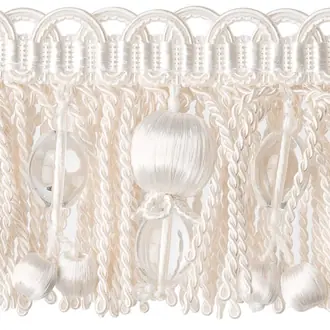


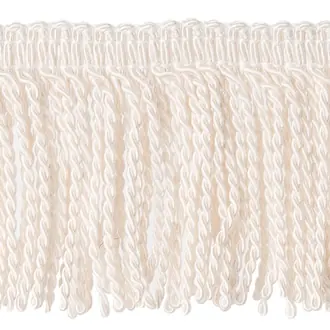


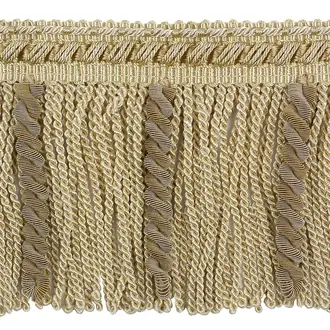


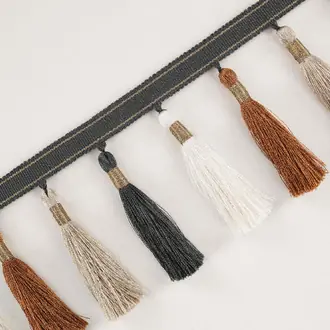


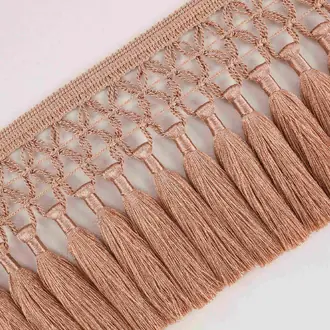


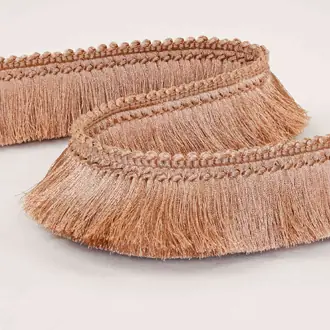


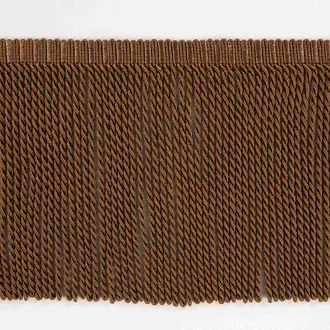


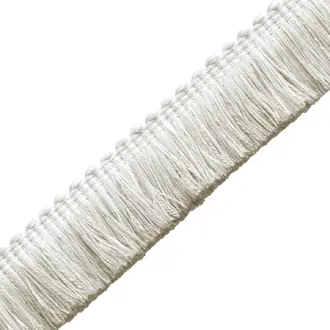


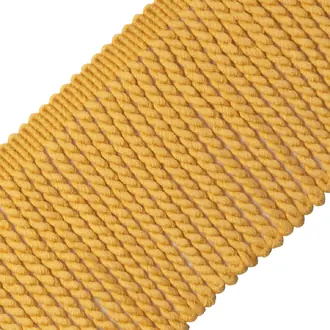


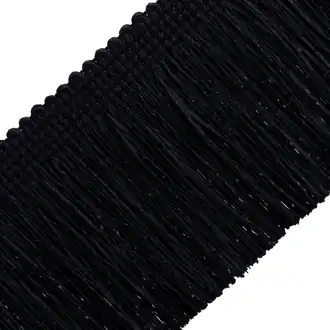


Texture, colour and finishing details
Choosing Fringe for Curtains, Cushions and Upholstery
A fringe changes the outline of a curtain, cushion or chair. Its depth, texture and spacing can make a plain fabric feel more decorative or pick out a colour within a pattern. Start with the finished piece and the edge you want to emphasise.
A short, dense fringe creates a different effect from spaced tassels or long bullion strands. Compare the scale of the trim with the fabric and the size of the finished item, as well as choosing a colour that works with the room.
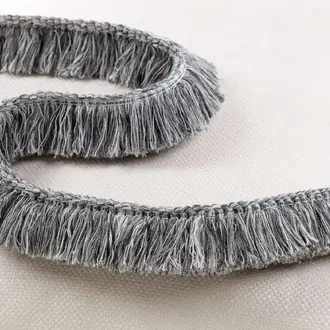
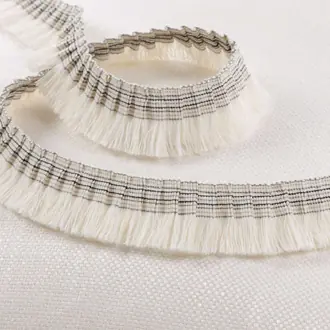
Brush and moss fringe
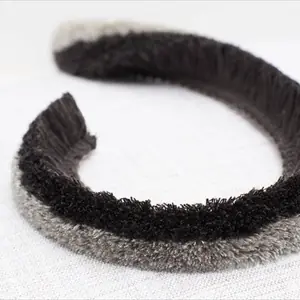
Compact, textured fringes can soften cushion edges and add a close decorative finish. Compare their density and depth against the fabric so the trim has enough presence without overwhelming it.
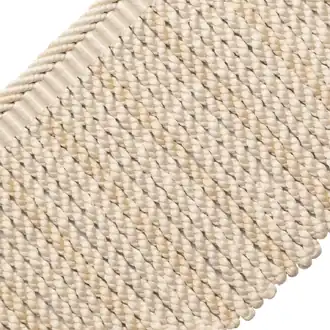
Bullion fringe
Twisted strands create a fuller, hanging finish. Often used around chair and sofa skirts, deeper bullion fringe gives furniture a substantial outline. Check the finished drop and floor clearance with your upholsterer.
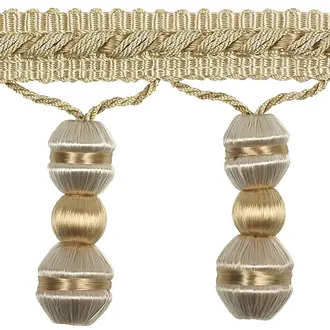
Tassel, ball and beaded fringe
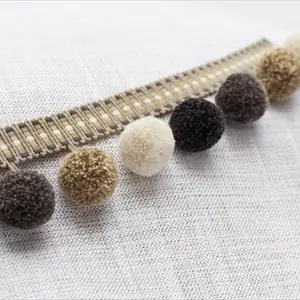
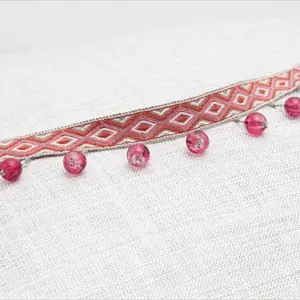
Repeated tassels, balls or beads introduce rhythm and movement. Consider their spacing, weight and attachment when choosing a finish for curtains, blinds or decorative cushions.

At the window
Fringing for Curtains and Roman Blinds
A decorative fringe can draw attention to a curtain’s leading edge or add detail along a blind’s lower edge. A tonal trim gives a quieter finish; a contrasting ball or tassel fringe makes the edge part of the room’s design.
Plan the placement before your curtains or blind are made. The trim’s weight, visible drop and heading tape all affect how it sits. On a Roman blind, allow for the folds and check that the chosen finish will hang freely.
Compare the trim against the curtain fabric vertically. This helps you judge the colour relationship and the way the fringe falls, rather than choosing from a flat photograph alone.

Colour and coordination
Fringed Cushions That Connect Your Fabric Scheme
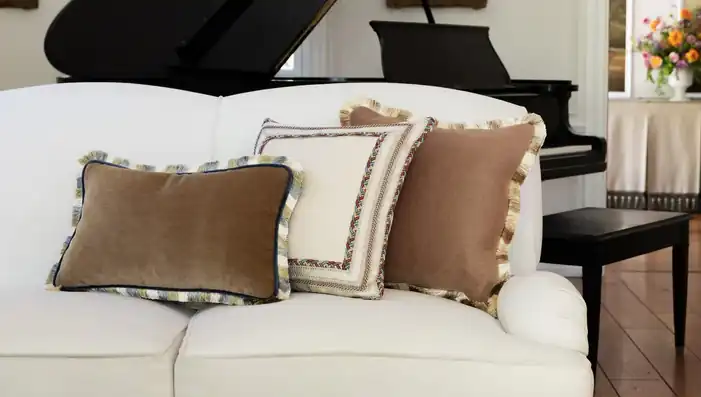
A fringed cushion is a useful way to repeat a colour from curtains, wallpaper or upholstery. Try picking out a smaller detail in a patterned fabric, or place a mixed-colour fringe against plain velvet so its texture stands out.
A close tonal match creates a softer outline, while a lighter or darker fringe defines the cushion’s shape. Consider how several cushions will sit together rather than choosing each trim in isolation.
Check the finished edge with your maker, including how the fringe will sit at corners and whether its care requirements suit the cushion.

Furniture and proportion
Upholstery Fringe for Chairs and Sofas
Bullion and other hanging fringes can finish the lower edge of a chair, sofa or footstool. They bring texture to a plain upholstered piece and can connect it with the room’s cushions or curtains.
Choose the depth in relation to the furniture. A generous skirt creates a different silhouette from a shorter trim that leaves more of the legs visible. Ask your upholsterer to confirm the attachment, finished drop and position.
For furniture used every day, consider contact with shoes, pets and cleaning equipment alongside the appearance. Confirm the individual trim’s suitability and care requirements before ordering.
Before ordering
Three Checks Before You Choose
Colour and texture
Compare the trim with the actual fabric in the room. Check sheen and undertone as well as the colour name. A matt fringe and a lustrous cloth can look quite different even in similar shades.
Drop and quantity
Check the stated dimensions and visible fringe depth. Ask your maker to calculate the required length, including allowances for joins, corners and the spacing of repeated decorative elements.
Making and care
Confirm how the heading will be attached and whether it will remain visible. The fabric and trim need compatible care instructions once they are sewn together.
Fabric and making services
Plan Your Made-to-Measure Finishing Details
For made-to-measure curtains, Roman blinds or cushions, we can discuss the fringe as part of your project. Send us the fabric and trimming references, the item you are making and where you would like the trim positioned.
On eligible fabric product pages, use the available made-to-measure configurator to start your curtain or Roman blind specification. For a fringed finish, share the trimming reference through our contact form so we can confirm the placement and making details.
If you are buying trim for your own maker, confirm the quantity with them first and check the individual product’s selling unit and ordering options.
Samples and selection
Compare Fringe and Fabric at Home
Order a trimming sample where offered on the product page and compare it with your chosen fabric. Check the colour, texture and sheen in daylight and under your room’s evening lighting. Hold the trim in its intended position to judge how the fringe hangs against the cloth.
A small sample may show only part of a decorative repeat. Use the product imagery and stated dimensions to assess the full drop and spacing of tassels, balls or beads. If there is no sample option, use our contact form to ask about availability for the specific reference.
Continue browsing
Related Trimmings and Fabrics
Frequently asked questions
Fringe Trimming FAQs
What is the difference between fringe and braid?
Fringe has a decorative hanging or textured edge, while braid usually forms a flatter band. Some trims combine a braided heading with fringe, so compare the product photograph, dimensions and description rather than relying on the name alone.
What is the difference between tassel fringe and an individual tassel?
Tassel fringe has repeated tassels attached along a continuous heading. An individual tassel is a separate accessory. Check which format your project needs and how the product is sold.
Which fringe should I choose for curtains?
Start with the curtain fabric, the intended position and the effect you want. A lighter, shorter fringe gives a different finish from a deep or heavily beaded trim. Ask your curtain maker to confirm that the fabric can support the chosen trim and that it will hang as intended.
Can I order a fringe sample?
Use the sample option where offered on the product page. Compare the trim with your fabric to check colour, texture and scale. If no sample option is shown, contact us with the product reference to ask about availability.
How much fringe do I need?
Measure the edges to be trimmed, counting each curtain, cushion or furniture section separately. Your maker should add the appropriate allowance for joins, corners and pattern spacing. Confirm the selling unit and minimum quantity on the individual product before ordering.
Can I wash fabric with fringe attached?
Only where the care instructions for both the fabric and the fringe allow it. Fibres, dyes, beads and decorative attachments may need different treatment. Agree the care method before the trim is sewn on.
Can you help with a made-to-measure project?
Yes. Use our contact form to share the fabric and trim references, approximate measurements and a description or photograph of the finish you would like. We can discuss suitability and placement before the project is finalised.