






































Leaf and foliage
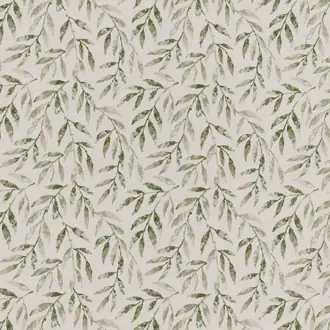
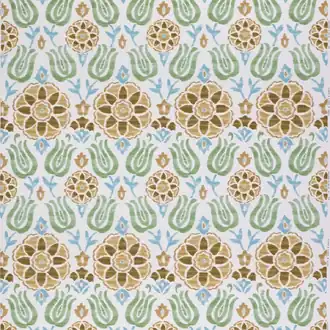
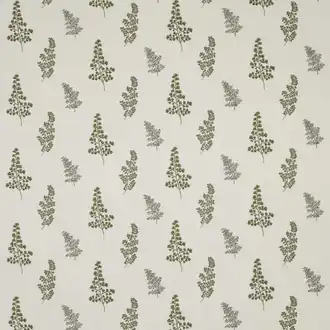
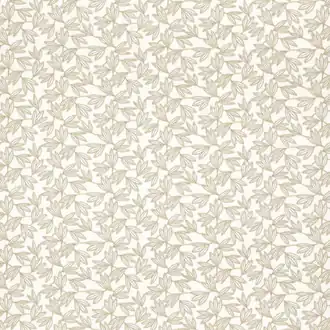
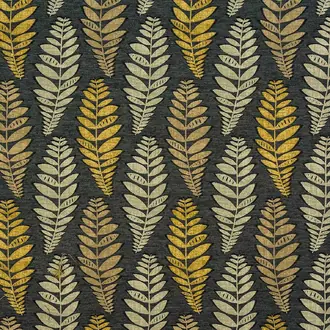
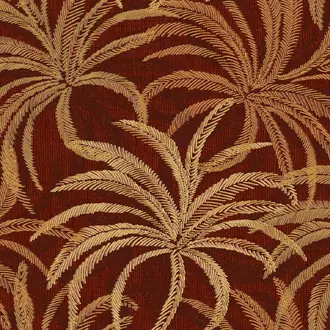
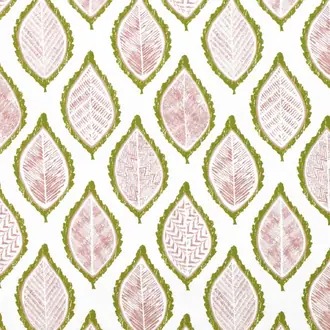
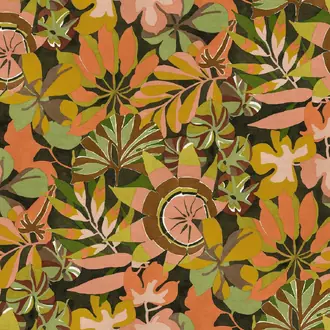
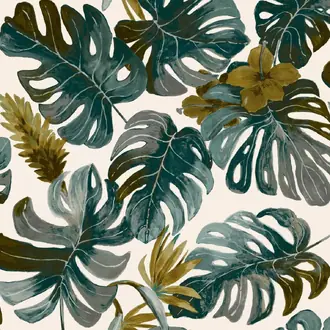
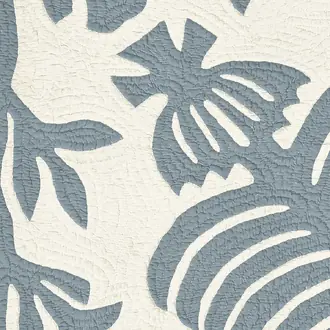
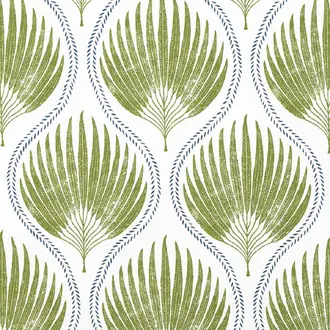
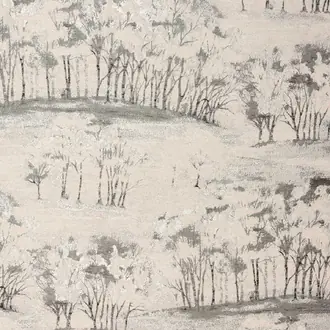
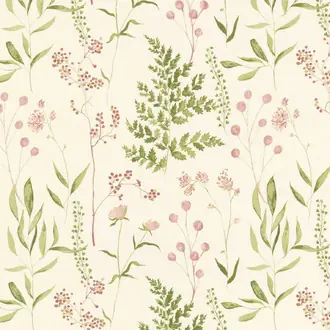
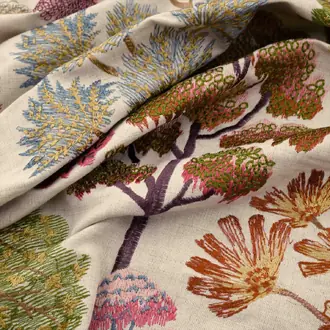
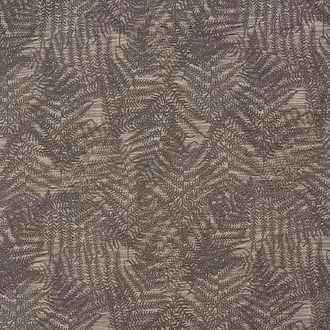
Trailing leaves, layered canopies and repeating fronds range from quiet all-over patterns to generous statement designs.

No products matched “”.
No matches for “”.
 1722 reviews
Explore botanical fabric inspired by leaves, trailing foliage, branches, palms and illustrated plant forms. From softly drawn studies to oversized tropical designs, these patterns bring the structure and variety of the natural world to curtains, blinds, cushions and suitable upholstery
Our collection includes printed, woven, embroidered and velvet botanical fabrics in both restrained and expressive colour palettes. Check each product’s recommended use and order a sample to assess its scale, colour and texture in your own interior.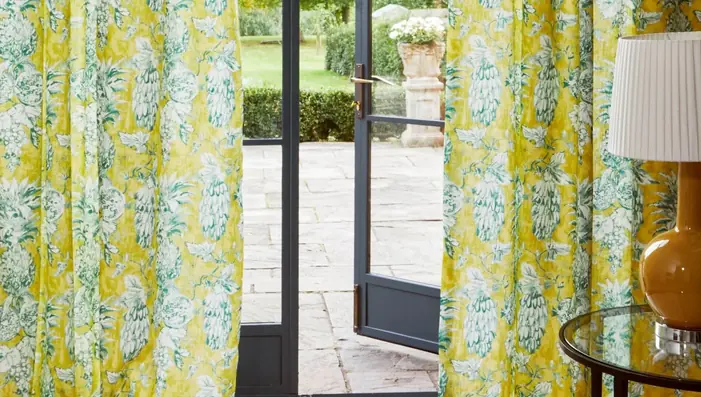

The wider plant world
Botanical fabric draws from the structure and diversity of plants: leaves, stems, branches, ferns, palms, grasses and carefully observed plant studies. Designs may be naturalistic, simplified or entirely abstract, but their character comes from vegetation rather than a purely geometric repeat.
Floral and botanical fabrics often overlap. Floral designs place flowers or blossom at the centre of the composition, while botanical patterns can explore the wider plant world without flowers being dominant.
Trailing leaves, layered canopies and repeating fronds range from quiet all-over patterns to generous statement designs.
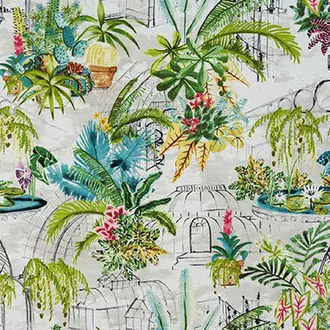
Broad leaves and exotic vegetation create stronger scale, movement and a more immersive decorative effect.
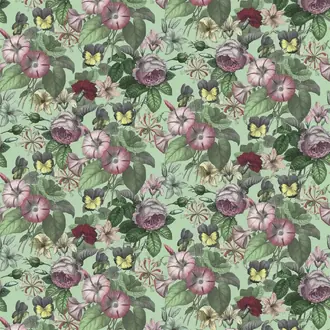
Detailed drawings, herbarium references and archive-inspired illustrations give botanical fabric an observational quality.

Foliage in flowing folds
Full-length curtains give leafy trails, branches and large botanical repeats enough space to develop. Pattern moves in and out of the folds, allowing a richly drawn design to feel softer when the curtains are open and more expansive when closed.
Check the usable width, vertical repeat and pattern direction before calculating quantity. Large motifs and joined widths require allowance for matching, while the fabric’s weight determines whether the finished curtain will feel fluid or structured.

From observed to expressive
Contemporary botanical designs may enlarge a single leaf, simplify vegetation into silhouettes or use painterly marks to suggest a landscape. Unusual colour can move the subject away from literal green and towards a more graphic or atmospheric interpretation.
These fabrics work particularly well when the natural reference is clear but the room does not call for a traditional floral. Pair an expressive botanical with uncomplicated plains and semi-plains so its rhythm remains visible.

Furniture and placement
A botanical pattern can turn an armchair, ottoman or headboard into a focal point. Compact foliage adapts readily to smaller panels and curved furniture, while large leaves and trees need sufficient uninterrupted surface to show their form.
Choose a product whose specification explicitly includes upholstery. Review abrasion performance and care information, and ask your upholsterer to plan the motif position, cutting direction and joins before confirming the required quantity.

Palms, fronds and canopy
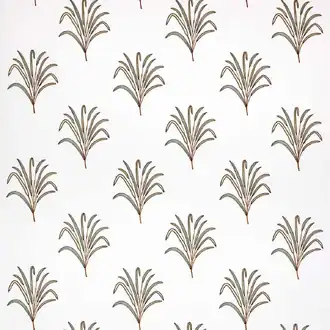
Palm leaves, dense foliage and oversized fronds create a more enveloping botanical look. They need not rely on vivid colour: a restrained monochrome palette can make a tropical subject feel architectural, while saturated greens and jewel tones produce greater drama.
Scale is particularly important. Judge the full repeat against the finished curtain or furniture rather than relying on a small product thumbnail, which may show only one fragment of the design.

Print, weave and embroidery
Printed cotton and linen blends can preserve fine drawn detail and nuanced colour. Jacquard construction builds the motif through the weave, often producing greater texture and tonal movement, while embroidery gives leaves and stems a visibly raised surface.
Velvet can add depth through its pile and changing light. Construction affects handle, durability and recommended use, so select it for the intended application rather than choosing by pattern alone.

Pattern beyond the interior
Leaf and foliage patterns feel naturally at home in garden rooms, conservatories and outdoor seating areas. Repeating vegetation can connect upholstered furniture with its surroundings while still introducing a considered decorative scheme.
Only use a fabric whose specification confirms the appropriate outdoor or indoor-outdoor performance. Resistance to moisture, fading and staining varies, and cushions may still require protection or storage when not in use.

Archive and garden influence
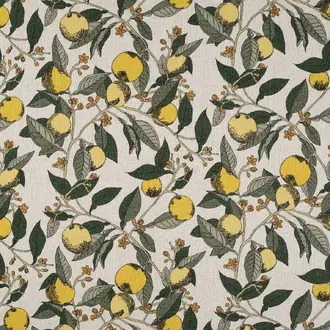
Historic textiles often studied plants with remarkable detail, arranging leaves, fruit, stems and flowers into balanced repeats. Contemporary colourways can retain that drawing and structure while making the design easier to combine with present-day furniture and decoration.
To coordinate several patterned surfaces, repeat selected colours rather than the complete design. A stripe, check or quiet texture can support the botanical while giving the room a change of scale.

Proportion and breathing space
Small leaves create an even pattern that can adapt to cushions, blinds and detailed furniture. Medium repeats are versatile across curtains and upholstery, while broad palms, trees and scenic vegetation need more visible surface and a room with enough space to appreciate them.
Consider the background as carefully as the motif. A pale ground introduces breathing space; a dark or densely layered ground creates a more immersive effect. Always consult the full-width image and published repeat alongside your sample.
Specify with confidence
A sample allows you to assess the true colour, texture and weight of the fabric in your own light. For large botanical designs, use it together with the full pattern image and repeat dimensions: a small cutting may show only foliage, background or one part of a larger plant form.
Continue browsing
Frequently asked questions
Botanical fabric uses plant-inspired imagery such as leaves, stems, branches, ferns, palms, grasses or detailed plant studies. Its style can range from traditional and naturalistic to simplified, tropical or abstract.
Floral fabric places flowers or blossom at the centre of the design. Botanical fabric encompasses the wider plant world and may focus entirely on leaves, branches, trees or foliage. Many designs legitimately belong to both categories.
Yes, many botanical fabrics are designed for curtains. Check the recommended use, usable width, fabric weight and repeat, and allow for pattern matching where joined widths are required.
Choose only a product whose individual specification includes upholstery. Review its abrasion performance and care information, then consider how the motif will be positioned across panels, cushions and seams.
Compare the complete repeat with the size of the finished item. Small foliage adapts readily to cushions and compact blinds, while oversized leaves and scenic botanical designs need a larger uninterrupted surface.
Only when the product specification confirms outdoor or indoor-outdoor suitability. A botanical design alone does not mean that the fabric has the necessary resistance to moisture, fading or staining.
Select one or two colours from the botanical design and repeat them in a plain, semi-plain, stripe or smaller-scale pattern. Varying the scale allows each fabric to remain distinct.
Samples are cut from a larger repeating pattern and may contain only one section of the design. Use the sample to assess colour and texture, and consult the full-width image and repeat dimensions to understand the complete composition.
Prices and taxes are calculated based on your country.
Some items may not be available for delivery to every country — we will tell you at the basket or checkout if anything cannot be sent.
Necessary cookies enable core functionality such as page navigation, your shopping basket and secure checkout. The site cannot work properly without them.
| Cookie | Provider | Duration |
|---|---|---|
| __cf_bm | Cloudflare | 30 minutes |
| cf_clearance | Cloudflare | Varies |
| ect_consent | First party | 180 days |
| ectcartcookie | First party | Session |
| ecthash | First party | Session |
| ectordid | First party | Session |
| ectsessid | First party | Session |
| PHPSESSID | First party | Session |
Preference cookies let the site remember choices you make (such as your region or recently viewed items) for a more personal experience.
| Cookie | Provider | Duration |
|---|---|---|
| ect_country_popup_shown | First party | 1 day |
| WRITECLL | First party | Persistent |
| WRITECLP | First party | Persistent |
Statistics cookies help us understand how visitors use the site by collecting and reporting information anonymously.
| Cookie | Provider | Duration |
|---|---|---|
| _ga | Google Analytics | 2 years |
| _ga_ | Google Analytics | 2 years |
| _hj | Hotjar (via Google Tag Manager) | 30 minutes - 1 year |
| fs_uid | FullStory (via Google Tag Manager) | 1 year |
Marketing cookies track visitors across sites to display relevant ads and measure campaign performance.
| Cookie | Provider | Duration |
|---|---|---|
| __kla_id | Klaviyo | 2 years |
| _gcl_ | Google Ads (via Google Tag Manager) | 90 days |
| id1 | First party | ~6 months |
| id2 | First party | ~6 months |
| IDE | Google DoubleClick (third-party, doubleclick.net) | 13 months |
| PARTNER | First party | Persistent |