


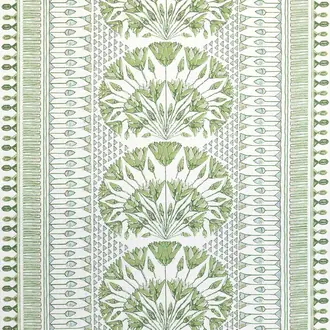


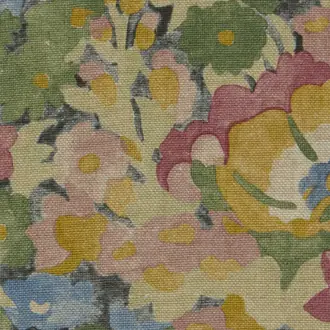


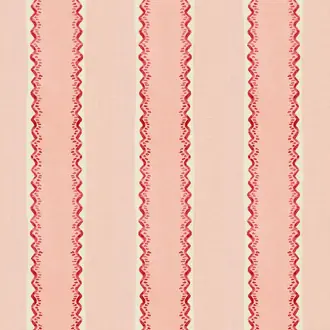


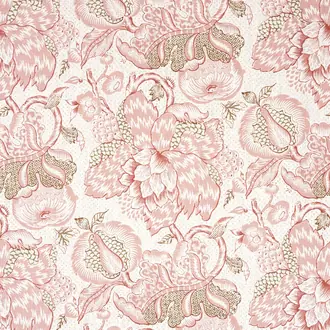






































Small prints
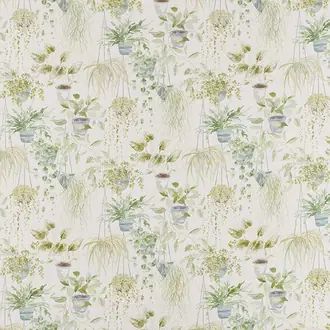
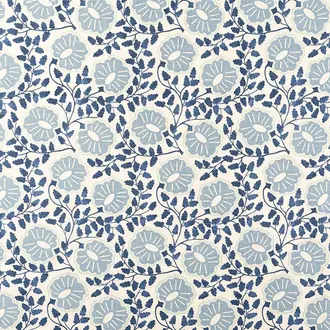
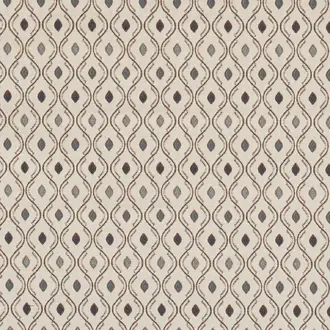
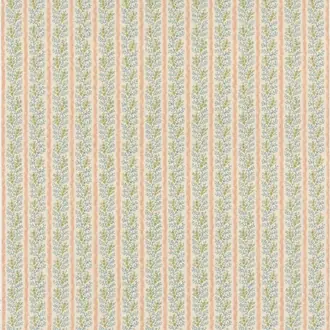
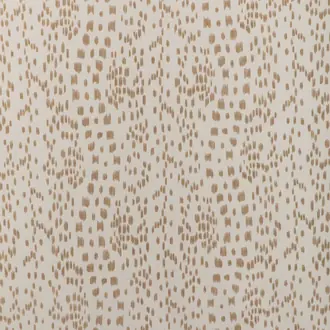
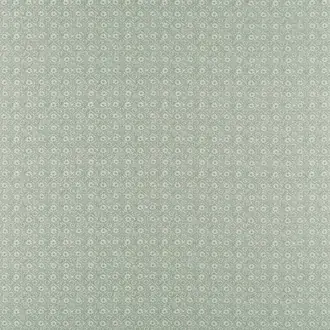
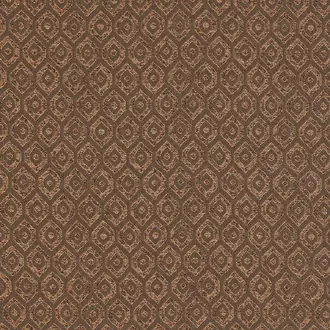
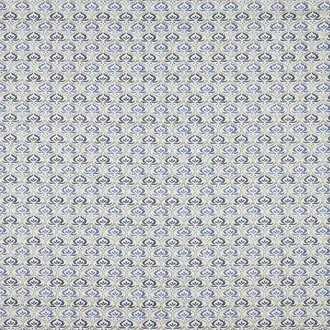
Compact motifs create an even rhythm and adapt readily to blinds, cushions, detailed furniture and smaller windows.

No products matched “”.
No matches for “”.
 1722 reviews
Explore designer printed fabric for curtains, blinds, upholstery, cushions and decorative accessories. From finely drawn small prints to expressive florals, geometrics and large scenic designs, printing brings colour, detail and character to a wide variety of base cloths.
Compare traditional and contemporary designs on cotton, linen, velvet and blended grounds. Order samples to assess the true colour, scale, texture and handle in your own room, and check each product’s recommended use before ordering.


Pattern applied to cloth
Printed fabric is created by applying colour and pattern to the surface of a prepared cloth. This differs from a jacquard, where the design is formed by interlacing yarns, and embroidery, where threads are added to build a raised motif.
Printing can reproduce delicate drawing, broad painterly marks, crisp geometry and complex colour with remarkable variety. The result is shaped not only by the artwork but also by the ground cloth beneath it.
Compact motifs create an even rhythm and adapt readily to blinds, cushions, detailed furniture and smaller windows.
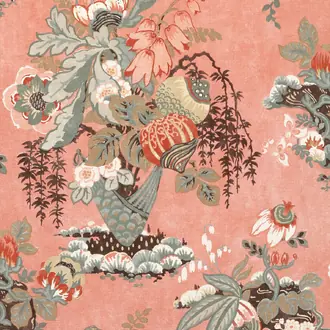
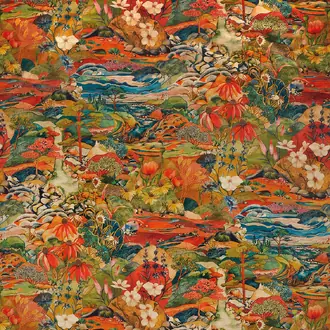
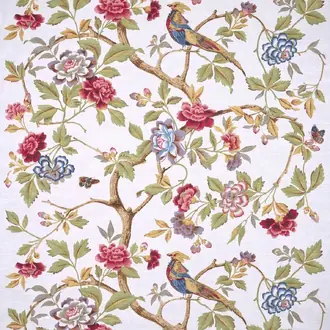
Large florals, landscapes and expressive designs need enough visible surface for their composition and scale to be appreciated.
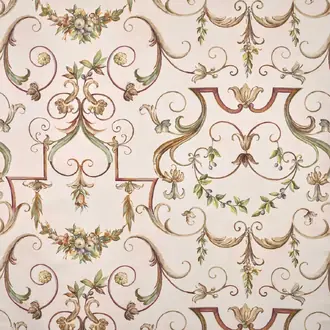
Archive-inspired toiles sit alongside graphic, photographic and painterly designs, giving printed fabric exceptional decorative range.

Pattern in flowing folds
Full-length curtains give printed designs room to develop. Scenic landscapes, trailing florals and larger motifs move in and out of the folds, appearing softer when the curtains are open and more expansive when closed.
Check the usable width, vertical repeat and pattern direction before calculating quantity. Joined widths normally require additional fabric for matching, while the weight and composition of the ground cloth determine whether the finished curtain feels fluid or structured.

Furniture as a focal point
A printed fabric can transform an armchair, sofa, ottoman or headboard into a focal point. Small repeats adapt easily to curved arms and divided panels, while large prints need enough uninterrupted surface to preserve the shape and balance of the design.
Only choose a product whose specification explicitly includes upholstery. Review abrasion performance and care information, and ask your upholsterer to plan motif placement, cutting direction and matching before confirming the quantity.

Fine detail and even rhythm
Small prints distribute pattern evenly across the cloth, making them particularly useful for blinds, cushions, gathered curtains and furniture with several seams. The repeat remains legible even when only a limited area of fabric is visible.
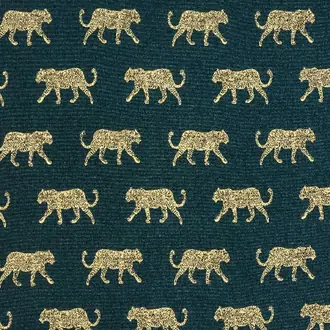
They can also support a larger feature design elsewhere in the room. Look closely at density and contrast: a compact print with a pale ground may feel quiet, while the same scale on a dark or strongly coloured ground can have much greater presence.

Space for the artwork
Large-scale prints treat the fabric almost like a canvas. Broad flowers, branches, landscapes and abstract marks create a more immersive effect, but they require sufficient surface area and careful positioning.
Consider the complete repeat rather than judging the design from a thumbnail or small sample alone. Full-width imagery reveals how motifs relate to one another and whether the composition will suit the proportions of the finished curtain, blind or upholstered piece.

Archive drawing and narrative
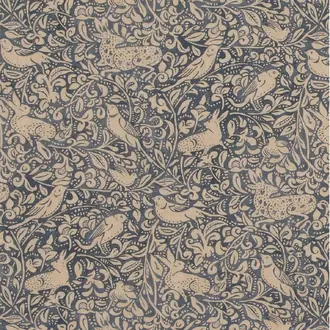
Toiles, tree-of-life patterns, florals and natural-history studies demonstrate the detail that printing can bring to cloth. Many contemporary collections reinterpret archive drawings through fresh scale, colour or an unexpected base fabric.
A traditional subject need not create a formal room. Pair a detailed print with uncomplicated furniture and plains, or draw out one of its quieter colours for upholstery, paint and accessories.

Graphic pattern and modern colour
Modern printed fabrics range from crisp geometry to loose brushwork and layered colour. Printing allows a design to retain clean edges or subtle tonal changes without relying on the structure of a woven repeat.
For upholstery, check how the motif meets seams and curves. A regular geometric benefits from careful alignment, while a less formal painterly print may allow more freedom in placement.

Print and ground cloth
The same style of artwork can look very different on cotton, linen or velvet. A smooth cotton ground can preserve clean detail, linen introduces natural texture, and velvet adds depth as its pile catches and reflects light.
Composition also affects drape, handle, care and recommended use. Select the cloth for the finished application as well as the printed design, and rely on the individual product specification rather than assuming that every print performs in the same way.
Scale, repeat and placement
A printed design may use a straight, half-drop or more complex repeat. Repeat dimensions influence pattern matching and quantity, particularly across joined curtain widths or several upholstered panels. For a large composition, use the full-width image alongside the sample because a small cutting may contain only one fragment of the design.
Specify with confidence
A sample allows you to assess the true colours, surface texture, weight and opacity of the fabric in your own light. Compare it with paint, flooring and neighbouring textiles, then consult the published width, repeat, composition and usage information before ordering your full quantity.
Continue browsing
Frequently asked questions
Printed fabric has colour and pattern applied to the surface of a base cloth. This differs from a woven jacquard, where differently coloured yarns form the design within the construction.
Yes, many printed fabrics are suitable for curtains and blinds. Check the individual product’s recommended use, width, repeat, weight and care information before ordering.
Some printed fabrics are designed for upholstery, but not all are sufficiently durable. Confirm that upholstery is listed in the product specification and review any published abrasion or performance information.
A printed pattern is applied to the cloth’s surface. A jacquard pattern is formed through the arrangement of yarns during weaving, often giving the design more visible texture and a different appearance on the reverse.
Small repeats adapt readily to compact windows, blinds, cushions and detailed furniture. Large prints can have greater impact but require enough visible surface and more careful placement to show the design successfully.
A sample is cut from a much larger repeat and may therefore show only one colour, motif or area of background. Use the full product image and published repeat dimensions to understand the complete composition.
Prices and taxes are calculated based on your country.
Some items may not be available for delivery to every country — we will tell you at the basket or checkout if anything cannot be sent.
Necessary cookies enable core functionality such as page navigation, your shopping basket and secure checkout. The site cannot work properly without them.
| Cookie | Provider | Duration |
|---|---|---|
| __cf_bm | Cloudflare | 30 minutes |
| cf_clearance | Cloudflare | Varies |
| ect_consent | First party | 180 days |
| ectcartcookie | First party | Session |
| ecthash | First party | Session |
| ectordid | First party | Session |
| ectsessid | First party | Session |
| PHPSESSID | First party | Session |
Preference cookies let the site remember choices you make (such as your region or recently viewed items) for a more personal experience.
| Cookie | Provider | Duration |
|---|---|---|
| ect_country_popup_shown | First party | 1 day |
| WRITECLL | First party | Persistent |
| WRITECLP | First party | Persistent |
Statistics cookies help us understand how visitors use the site by collecting and reporting information anonymously.
| Cookie | Provider | Duration |
|---|---|---|
| _ga | Google Analytics | 2 years |
| _ga_ | Google Analytics | 2 years |
| _hj | Hotjar (via Google Tag Manager) | 30 minutes - 1 year |
| fs_uid | FullStory (via Google Tag Manager) | 1 year |
Marketing cookies track visitors across sites to display relevant ads and measure campaign performance.
| Cookie | Provider | Duration |
|---|---|---|
| __kla_id | Klaviyo | 2 years |
| _gcl_ | Google Ads (via Google Tag Manager) | 90 days |
| id1 | First party | ~6 months |
| id2 | First party | ~6 months |
| IDE | Google DoubleClick (third-party, doubleclick.net) | 13 months |
| PARTNER | First party | Persistent |