


Grey Fabric
Explore designer grey fabric, from pale dove tones to deep charcoal, with textured plains and decorative patterns. Buy fabric by the metre for curtains, upholstery, cushions and headboards, choosing a cloth suitable for your project.
Order samples to compare warm and cool undertones with your paint and furnishings. We can also help with suitable fabrics for made-to-measure curtains, Roman blinds, cushions and headboards.

Get A Quote

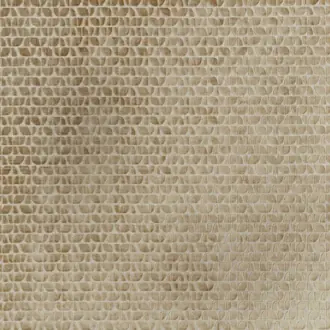
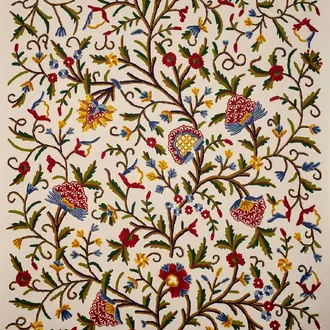
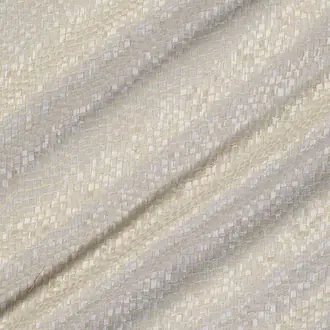
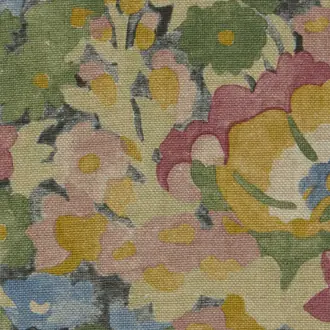
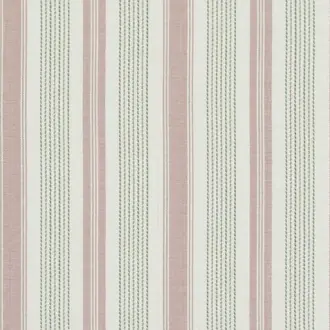
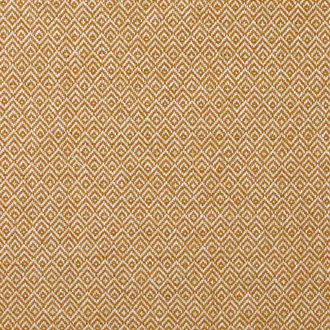
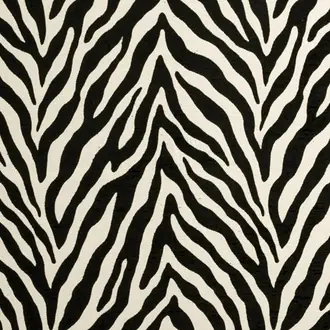
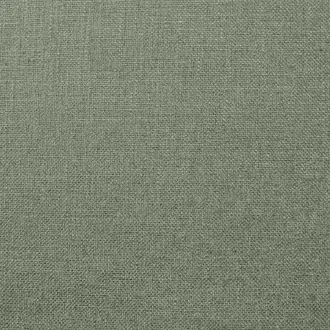


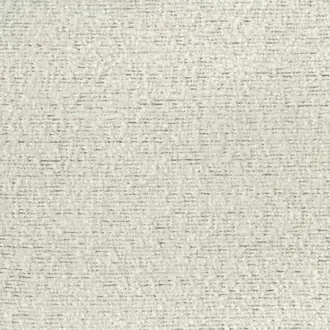
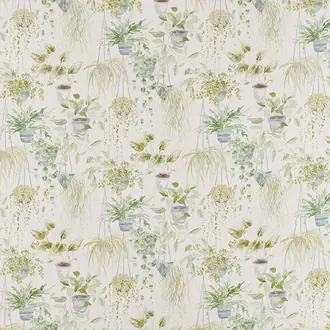

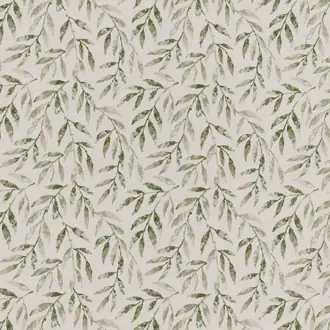

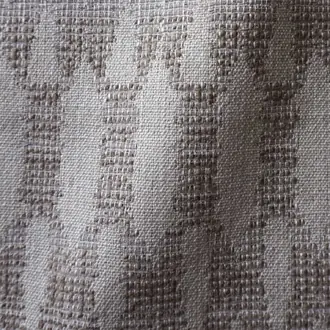
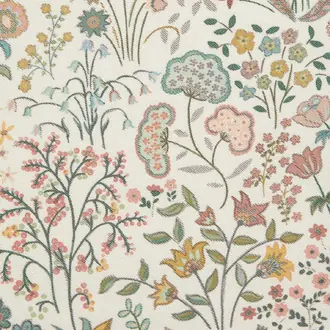
Shade, light and pattern
Choosing Grey Fabric: Undertone Comes First
Grey is not one neutral shade. A pale cloth can lean towards blue, green or lilac, while a warmer grey may sit closer to stone or taupe. These differences become clearer beside white paint, timber flooring and other fabrics. Start with the room’s existing finishes before deciding how light or dark your grey should be.
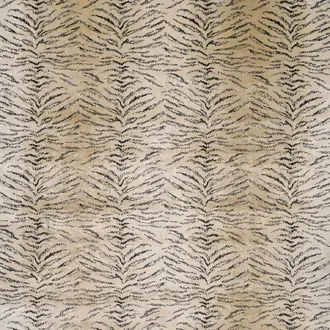
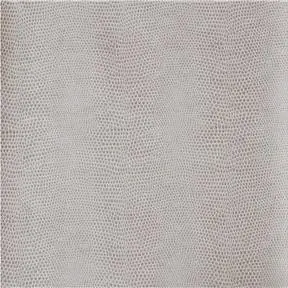
Surface matters too. A smooth grey weave, a flecked cloth and a velvet pile reflect light differently. For a layered scheme, compare depth, texture and pattern together rather than trying to make every grey an exact match.
Pale and dove greys
Light greys can create a gentle transition between white walls and darker furnishings. Check the sample against your actual white: a seemingly neutral fabric may reveal a cool or warm undertone beside it.
Warm and stone greys
Greys with a beige or brown influence can sit comfortably with timber and warmer neutrals. Compare them with cream and natural linen tones, especially where several large surfaces meet.
Slate and charcoal greys
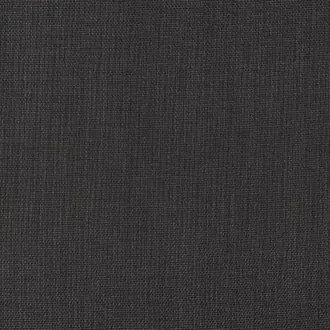
Deeper greys introduce stronger contrast on seating, curtains or a headboard. Look into the folds and shaded parts of the sample: dark charcoal can appear almost black away from direct light.

At the window
Grey Curtain Fabric and Changing Light
For curtains, consider how the grey will look both open and drawn. A pale textured fabric can soften the outline of a window, while charcoal curtains create a more defined frame. Matching the wall closely gives a different effect from choosing a visibly lighter or darker shade.
Hold your sample vertically at the window and compare it during the day and under evening lighting. A cool grey may look bluer in some conditions; a warm grey can become more noticeable beside a crisp white lining or painted frame. The room’s orientation is a useful consideration, but the sample in position is the deciding test.
Check the cloth’s drape and recommended use alongside its colour. Lining changes the way light passes through curtains, and privacy or blackout requirements need their own specification. A dark grey fabric does not automatically provide blackout performance.

Seating and surface
Grey Upholstery: Texture, Pattern and Pile
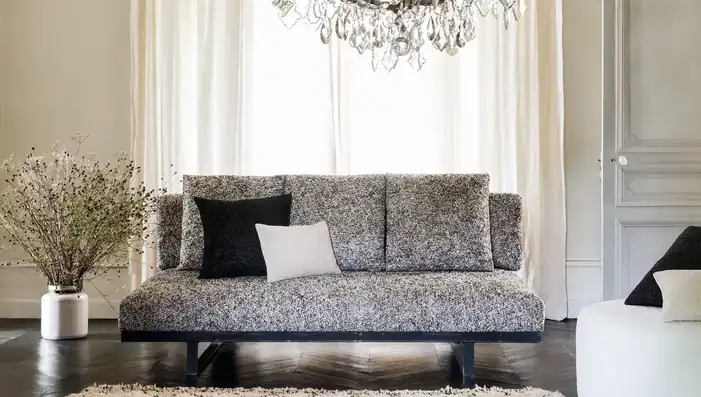
A grey sofa is often one of the largest surfaces in a room, so a small difference in undertone can affect the whole scheme. Compare the cloth with flooring and rugs as well as cushions. On an armchair or bench, a dark geometric design can provide contrast without needing a large area of plain charcoal.
Textured weaves and small patterns break up the surface differently from a smooth plain fabric. Velvet adds directional light reflection: turn the sample and view it from the side before agreeing pile direction with your upholsterer. A sheen is a surface effect, not proof that a cloth has a metallic fibre.
Choose for the intended item and level of use. Check the individual upholstery specification, care instructions and any treatment requirements with your maker. Grey itself does not establish durability or resistance to stains, and a curtain fabric is not automatically suitable for seating.

Pattern and colour companions
Combining Grey with Yellow, Blue and Warm Neutrals
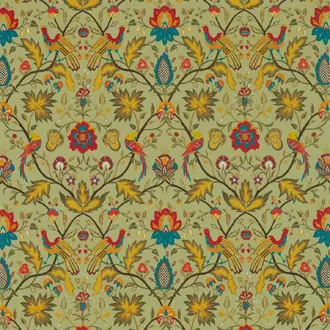
Grey and yellow can work as a patterned fabric or as separate elements. Decide whether yellow should be a small accent or a prominent part of the scheme. Mustard beside a warm grey gives a different balance from clear yellow beside a cooler grey, so compare the actual fabrics together.
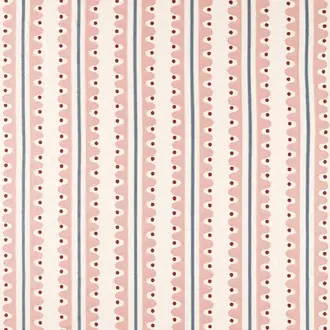
Blue can reinforce a cool grey palette, while cream, timber and brown tones can introduce warmth. Pink or green provides another route to contrast. Keep the proportions in mind: a small cushion sample will not have the same visual weight as full-length curtains or an upholstered sofa.
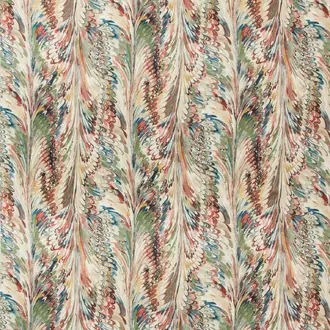
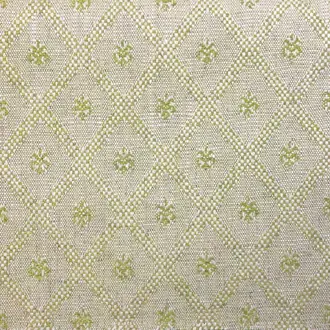
For grey patterned fabric, look at the ground colour and the full repeat. Grey motifs on cream may read as a light neutral from across the room; pale motifs on charcoal will feel much darker. Combine a larger decorative pattern with a quieter weave or a smaller-scale companion rather than matching every motif.
Before ordering by the metre
Three Checks Before You Choose
Undertone in the room
Place samples beside paint, flooring and furniture you are keeping. Compare them in daylight and evening light. Avoid choosing a grey from its name alone: dove, stone and slate vary between suppliers.
Scale and quantity
Check usable width, pattern repeat and the finished item’s dimensions with your maker. Allow for matching and motif placement, particularly across curtain joins, Roman blinds and shaped headboards.
Use and maintenance
Read the specific fabric’s recommended uses and care instructions. Ask about suitability for sunlit windows or regularly used seating. A room photograph illustrates a scheme; the product specification establishes suitability.

Fabric and making services
Made-to-Measure Curtains, Roman Blinds, Cushions and Headboards
Buy grey fabric by the metre for your own curtain maker or upholsterer, or use TM Interiors’ made-to-measure services for curtains, Roman blinds, cushions and headboards. Choose a suitable cloth for each item; a coordinated room does not require the same fabric everywhere.
For grey curtains, we can discuss headings, linings, interlining and finishing details. A contrasting border or trim can define a pale fabric against the wall. For a Roman blind or headboard, consider where the main motif will sit and how much of the pattern the finished shape will show.
Use our contact form to share your preferred fabric references, intended use and project measurements. We can help check the specification and details needed for a quotation.

Samples and selection
Compare Grey Fabrics at Home
Order available samples from the product pages and compare a small shortlist. Include a warmer grey, a cooler grey and a different texture if you are undecided. Place them in the intended position rather than judging them only on a tabletop.
Step back to see the overall shade, then look closely at the yarns and surface. Flecks, highlights and pile can make a grey look different at a distance. Use a full-repeat photograph alongside the sample when choosing a patterned design.
Continue browsing
Related Designer Fabrics
Frequently asked questions
Grey Fabric FAQs
Can I buy grey fabric by the metre?
Yes. Check each product’s ordering options, usable width and recommended uses. Some designer fabrics are supplied by enquiry. Confirm the quantity and pattern-matching allowances with your maker before ordering.
What is the difference between warm and cool grey fabric?
Warm greys usually show a beige or brown influence; cooler greys may lean towards blue, green or lilac. These are descriptive guides, not fixed colour standards. Compare samples with the finishes in your room.
Which colours go with grey fabric?
Yellow can provide a contrasting accent, blue can reinforce a cooler scheme, and cream or timber tones can add warmth. Pink and green offer other possibilities. Undertone, depth and the amount of each colour matter more than the colour names alone.
Can the same grey fabric be used for curtains and upholstery?
Some fabrics suit both uses, but others do not. Check the individual specification and care instructions. Your curtain maker or upholsterer can help confirm the appropriate cloth for the finished item.
Does charcoal fabric provide blackout at a window?
No. A dark colour alone does not establish blackout performance. Check the fabric and lining specification, and consider the complete window treatment and possible light gaps.
Why does grey velvet look lighter from one direction?
Velvet’s pile reflects light differently depending on its direction and your viewing angle. Turn the sample in the room, view it vertically and agree the pile direction with your maker before cutting.
Can you make grey curtains, Roman blinds, cushions and headboards?
Yes, using suitable fabrics. We can discuss headings, linings, finishing details and headboard dimensions. Share your fabric references and project details through our contact form for advice and a quotation.
Should grey curtains match a grey sofa exactly?
They do not need to. A difference in depth or texture can make a grey scheme more interesting. Compare the undertones together and use samples to check that the combination works with the room’s other finishes.