



Moire Wallpaper
Explore moiré wallpaper with the distinctive rippled, watermarked movement first associated with finished textiles. From traditionally treated cotton and glossy fabric to printed and performance moiré effects, these designs bring shifting light, depth and fluid pattern to a room.

Get A Quote










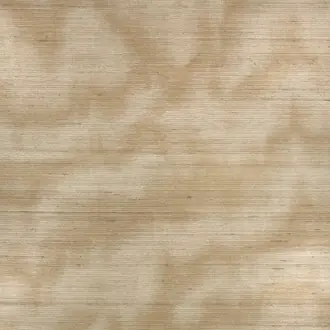


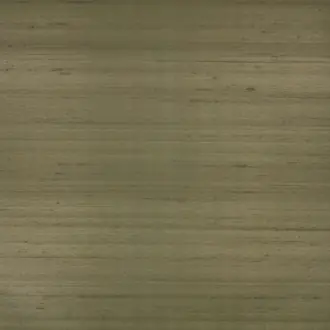
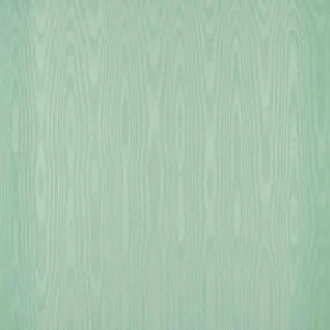


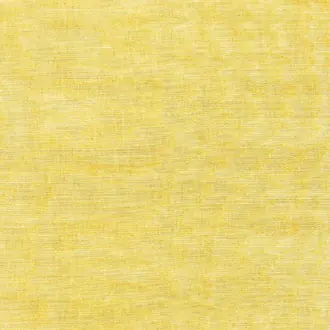


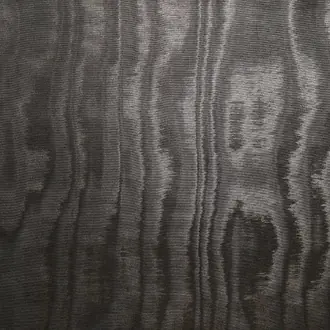
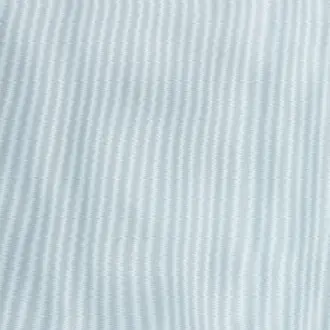


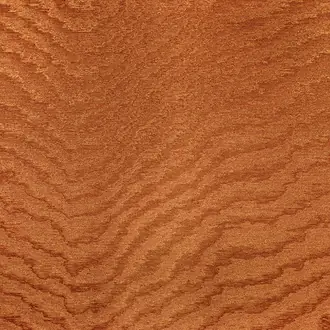



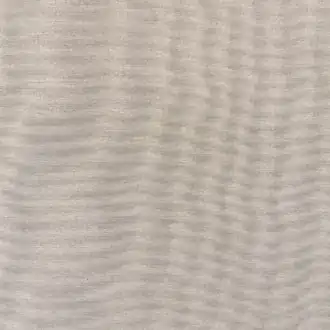


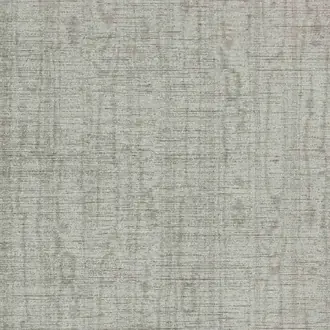


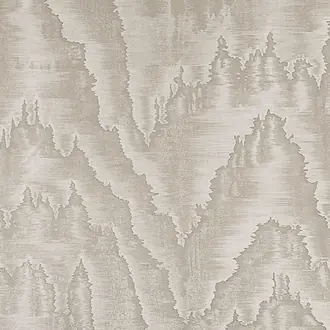





Watered pattern and shifting light
What Is Moiré Wallpaper?
Moiré wallpaper is recognised by its rippled, watermarked pattern: irregular bands appear to flow, pool and change direction across the surface. The look comes from moiré textiles, where finishing creates a distinctive play of light rather than a conventional repeated motif.
Wallcoverings interpret this effect in several ways. Some use traditionally finished cotton or glossy fabric; others recreate the movement through printing, embossing, vinyl or non-woven construction. The category describes the visible moiré effect, not one universal material.
Traditional textile
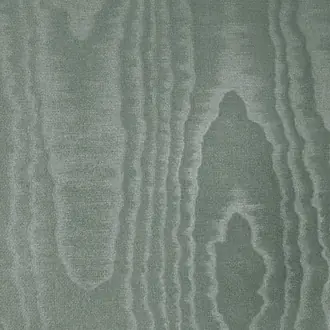
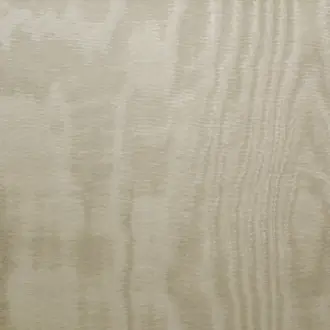
Finished fabric creates a subtle watered surface whose appearance shifts as light moves across the weave.
Contemporary scale
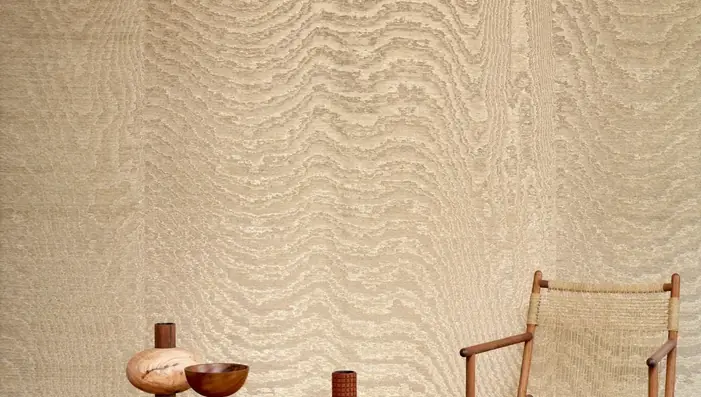
Enlarged and randomised markings turn the familiar effect into a bold abstract feature.
Performance effect
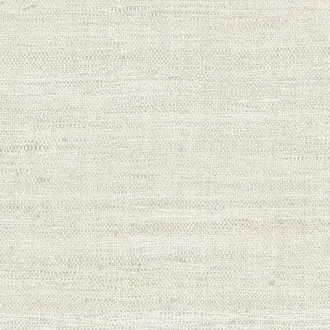
Vinyl and printed alternatives reproduce moiré movement with different durability and care qualities.

The traditional watered finish
From Moiré Cloth to Wallcovering
Traditional moiré is associated with ribbed textiles that are compressed and finished to create irregular watermarking. Light reflects differently across the altered surface, producing the flowing bands for which the material is known.
Genuine textile wallcoverings can retain this quiet, changeable character. Zoffany's moiré, for example, uses fine cotton woven in Italy and traditionally finished before being supplied on a non-woven backing.
The result is more restrained than a printed wave. From a distance it can behave almost like a plain; closer inspection reveals the layered movement within the cloth.

Random pattern and dramatic scale
Modern Moiré as an Abstract Statement
Contemporary moiré can enlarge the watery markings until they resemble shifting sand, timber grain or reflected light. The movement remains irregular, but stronger colour and scale make it a much more architectural feature.
Some glossy textile designs are intentionally random, meaning every metre differs. This creates a unique installation, although the finished wall should not be expected to align like a conventional straight pattern repeat.
Use large-scale moiré where enough wall remains visible for the movement to develop. Tonal neutrals are quieter; copper, blue and jewel colours emphasise sheen and depth.

Understanding the visual difference
Moiré, Wave and Marble Patterns
Moiré is defined by blurred, watermarked interference-like bands rather than a cleanly drawn wave. Wave wallpaper normally uses a deliberate repeating line, while marble wallpaper imitates mineral veins and crystalline movement.
Some contemporary designs sit close to abstract or wood-grain effects, but the softened ripples and changing lustre remain the clearest moiré characteristics. Viewing the surface at close range helps distinguish a textile watermark from a printed motif.
Because the boundaries are visual rather than rigid, individual products may correctly appear in Moiré and Abstract, Textile, Vinyl or Metallic collections.
Choosing the right finish
Consider Material, Scale and Direction
The moiré effect can be subtle or dramatic, and its behaviour depends as much on construction and light as on colour.
Check the composition
Textile, vinyl and printed moiré have different touch, durability, cleaning and installation requirements.
Expect visual movement
Lustre and directional pattern can make the colour appear lighter or darker from different positions.
Review the full scale
A small sample shows surface and colour, but room photography and repeat information reveal how the pattern spreads.

Samples and specification
See the Moiré Effect in Your Own Light
Move a sample between walls and view it in daylight and artificial light. Moiré can change noticeably with angle, particularly where gloss, metallic pigment or a textile weave is involved.
Check whether the chosen product is genuine textile or a moiré effect, then review its width, selling unit, backing, repeat and installation instructions. Specialist textile and wide-width products are best installed by an experienced professional.
Continue browsing
Related Designer Wallpaper
Frequently asked questions
Moiré Wallpaper FAQs
What does moiré mean?
Moiré describes a rippled or watermarked visual effect traditionally associated with finished ribbed textiles. The markings appear to flow and change direction rather than forming a regular drawn repeat.
Is moiré wallpaper made from silk?
Not necessarily. Moiré is historically associated with silk, but contemporary wallcoverings may use cotton, other textiles, vinyl, paper or non-woven constructions. Check the individual composition for confirmation.
How is moiré different from wave wallpaper?
Wave wallpaper normally uses a clearly drawn, repeating flowing line. Moiré has softer watermarked bands with an interference-like appearance and may change with the light.
Is every moiré wallcovering identical between panels?
No. Genuine or randomly patterned textile designs may vary between metres and panels. Printed products can be more controlled. The product description and repeat information should explain what to expect.
Does moiré wallpaper have a sheen?
Many examples do, particularly silk-inspired, glossy textile and metallic designs, but matte moiré effects also exist. Always assess a sample under the room's actual lighting.
Can moiré wallpaper be used in commercial interiors?
Yes, when the selected product has the required performance. Contract vinyl moiré can offer enhanced washability, impact resistance and fire classifications, while delicate textiles may suit lower-traffic settings.
How should moiré wallpaper be installed?
Installation depends on the construction. Some products are wide-width or untrimmed and may require reverse hanging or double cutting; others follow different methods. Use the exact manufacturer's instructions and consider professional installation.