



Traditional Wallpaper
Traditional wallpaper brings enduring decorative ideas into today’s interiors, from heritage florals and Arts and Crafts patterns to toile, damask and chinoiserie. Explore richly considered designs from leading houses, selected for rooms that value character, craft and a lasting sense of place.


Get A Quote

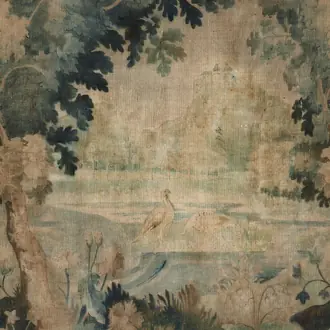
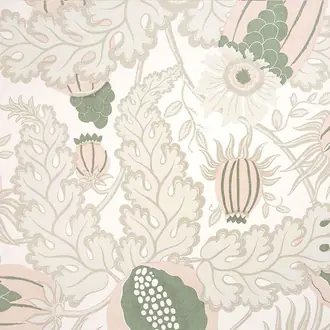


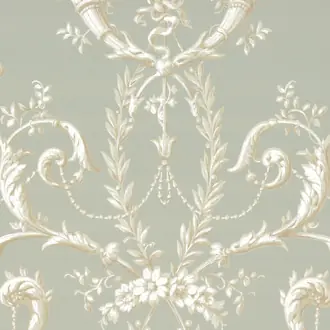


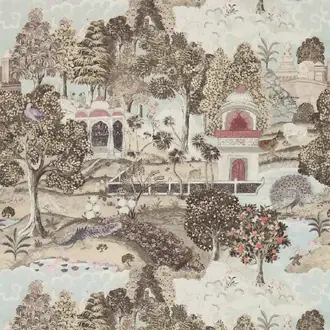

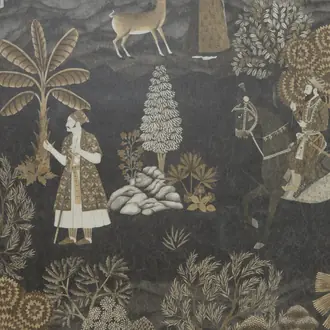


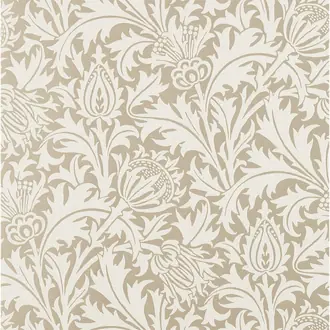
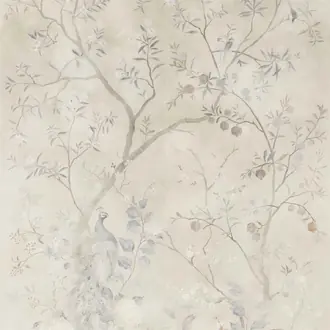

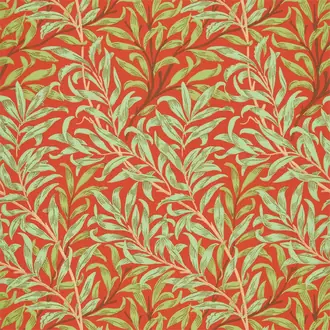


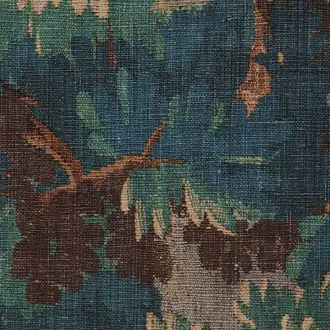


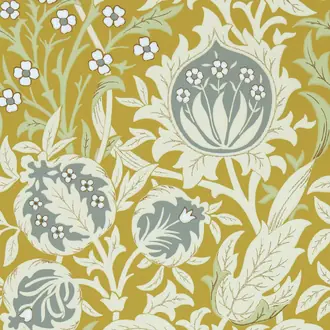



























Classic pattern, considered for today
What Defines Traditional Wallpaper?
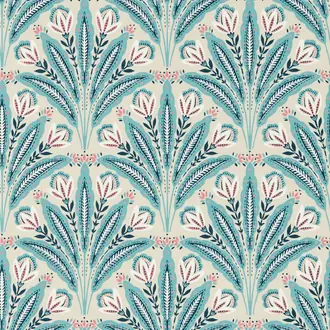
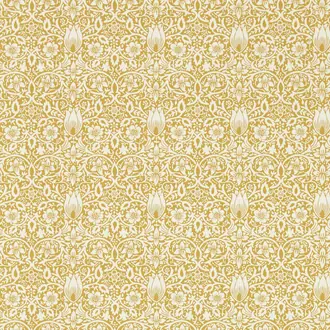
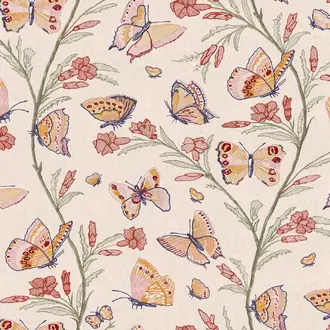
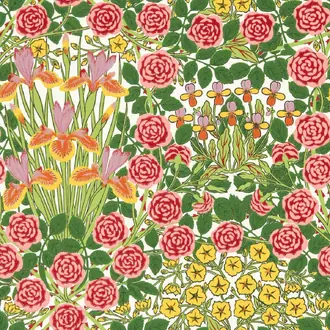
Traditional wallpaper is defined less by age than by its connection to established decorative traditions. Heritage florals, damasks, scenic toile, chinoiserie, stripes and Arts and Crafts patterns can all belong here when their composition, drawing and repeat carry a recognisably enduring character.
Traditional does not have to mean formal or old-fashioned. Scale, colour and the way a pattern is combined with furniture and fabrics can make a historic design feel calm, expressive or distinctly contemporary.
Heritage motifs
Botanical studies, scrolling leaves, birds, classical ornament and narrative scenes bring decorative history into the room.
Structured repeats
Balanced repeats and carefully drawn detail create rhythm across a wall and help larger patterns feel composed.
Traditional, not dated
Historic references can work naturally in contemporary homes when scale, colour and surrounding finishes are carefully balanced.

Pattern with provenance
Heritage Florals and Arts & Crafts Wallpaper
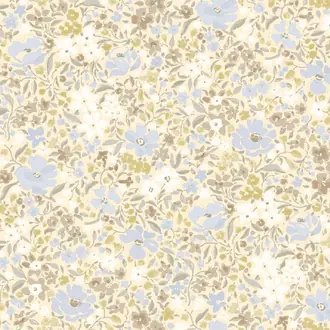
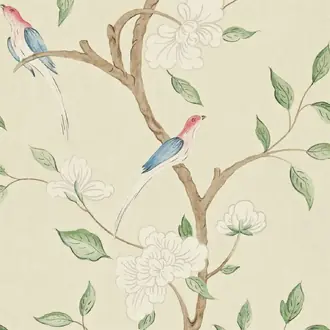
Heritage florals range from small, orderly sprigs to generous botanical repeats. Arts and Crafts designs often use entwined foliage, birds and garden forms, with the repeat itself becoming an important part of the composition.
These patterns work especially well with natural timber, painted joinery and tactile fabrics. For a quieter result, choose a restrained colourway; for greater presence, allow a deep ground or strongly drawn motif to lead the room.
The scale of the repeat matters as much as the subject. Smaller florals can provide a continuous decorative background, while broad leaves and branching stems become a stronger architectural feature.

Scenes and storytelling
Toile, Chinoiserie and Scenic Wallpaper
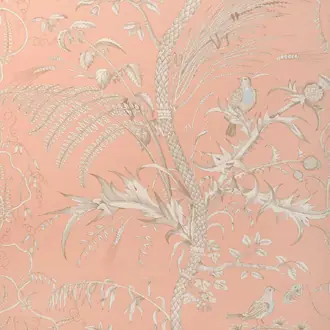
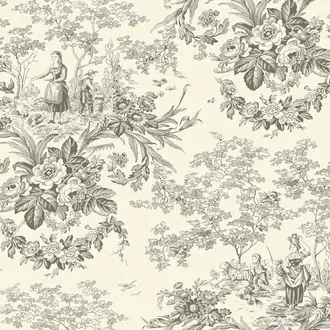
Toile wallpaper uses repeated pastoral, architectural or figurative scenes to create a layered narrative across the wall. Chinoiserie and other scenic designs may be more expansive, combining flowers, birds, landscapes and imagined gardens.
Fine linework rewards close viewing, while the overall repeat gives the room structure from a distance. Traditional blue and white toile feels fresh and architectural, while sepia, red, green and multicoloured versions can create a warmer or more theatrical effect.
Use these designs throughout a smaller room for an enveloping result, or on selected walls where furniture will not conceal the principal scene.

Order and ornament
Damask, Stripes and Classical Detail
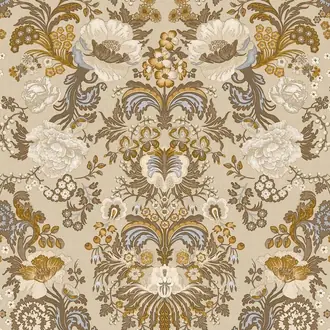
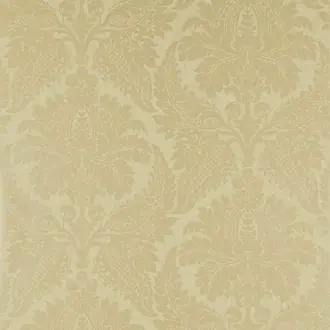
Damask brings symmetry and ornamental rhythm, while stripes provide architectural order and can visually heighten a room. Both can sit comfortably in period properties and newer interiors when their scale is chosen in relation to the space.
Large damasks make their structure clearly visible and suit rooms with enough uninterrupted wall to display the repeat. Smaller tonal versions can behave more like texture and provide a quieter background for furniture and artwork.
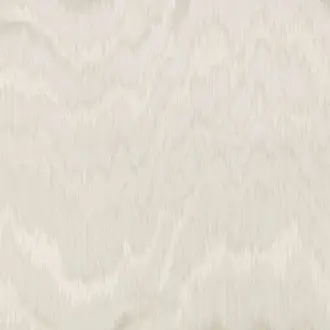
Consider sheen as well as colour. Matt finishes soften formal motifs, while silk-like, metallic or textured surfaces create stronger highlights and a more dressed effect.
Choosing the right design
Balance Period Character, Scale and Colour
A traditional pattern can support the architecture or deliberately contrast with it. Begin with the mood you want, then judge the complete repeat at room scale rather than relying on a small screen image.
Choose the reference
Decide whether you prefer botanical, Arts and Crafts, toile, damask or another decorative tradition. This gives the room a clearer direction.
Check the repeat
Large motifs need enough uninterrupted wall to be understood. Smaller repeats often work well in rooms containing more furniture, doors and windows.
Build the palette
Use the wallpaper ground and secondary colours to guide paint, fabric and furniture choices without reproducing every colour elsewhere.

Samples and selection
View Traditional Wallpaper in Your Room
A sample helps you assess the true colour, drawing, texture and print finish in the light of your own room. Move it between walls and view it during the day and evening before making a final decision.
A cutting may show only part of a large damask, floral or scenic design. Compare it with the complete repeat and room-set photography, and check the stated pattern dimensions before ordering.
Sample availability, size and charges vary by supplier. Specialist surfaces may also appear different as the direction and strength of the light change.
Planning and installation
Check the Product Details Before Ordering
Pattern repeat, match type and wallcovering construction affect both the quantity required and the way the wallpaper should be installed. Always follow the instructions supplied for the individual product.
Measure by the repeat
Allow for pattern matching, trimming and usable drops rather than calculating the order from wall area alone.
Confirm construction
Check whether paste is applied to the wall or paper and whether the surface requires particular handling during installation.
Order one batch
Where possible, order the complete quantity together so the rolls share the same production batch.
Continue browsing
Related Designer Wallpaper
Frequently asked questions
Traditional Wallpaper FAQs
What is traditional wallpaper?
Traditional wallpaper draws on established decorative motifs and pattern traditions, including heritage florals, damask, toile, chinoiserie, stripes and Arts and Crafts designs.
Does traditional wallpaper only suit period homes?
No. Traditional pattern can add warmth and structure to contemporary interiors, particularly when paired with simple furniture, modern lighting or a restrained colour palette.
What is the difference between traditional and vintage wallpaper?
Traditional describes an enduring decorative language and established pattern styles. Vintage wallpaper usually suggests a more explicitly nostalgic, aged or period-revival appearance.
Is damask wallpaper traditional?
Damask is an important traditional pattern family, but traditional wallpaper also includes florals, toile, stripes, botanical motifs, chinoiserie and Arts and Crafts designs.
Can I use a large traditional pattern in a small room?
Yes. A large repeat can make a small room feel intentional and enveloping, provided the principal motifs remain visible around furniture, doors and windows.
Which rooms suit traditional wallpaper?
Traditional designs can work in living rooms, bedrooms, dining rooms, halls, studies and cloakrooms. Product suitability and cleaning guidance should determine the final location.
Should I order a sample first?
Yes. A sample shows the true colour, surface and print finish more reliably than a screen and allows you to assess the wallpaper in changing light.
How much traditional wallpaper should I order?
The quantity depends on wall dimensions, roll width, usable drop length and pattern repeat. Include an allowance for pattern matching and installation, and seek advice for complex rooms or unusually large repeats.