


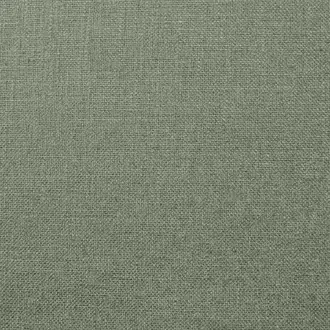
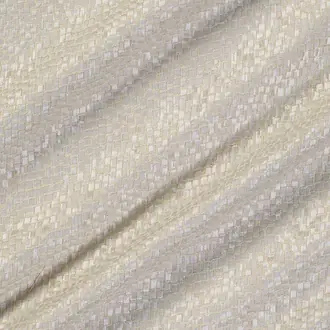



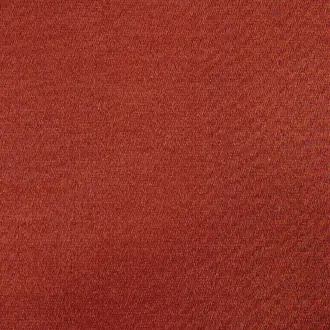
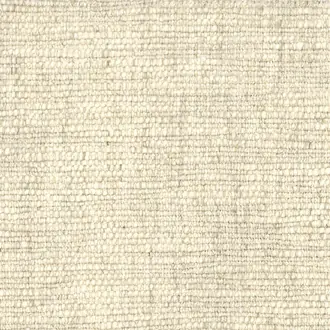
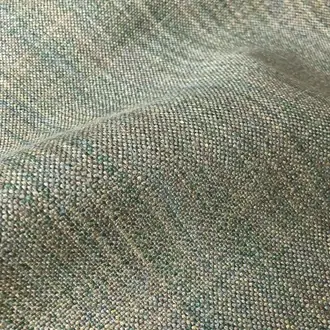

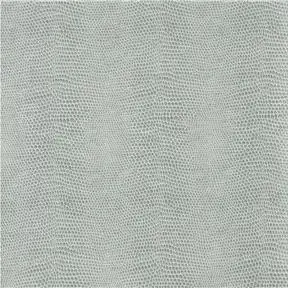
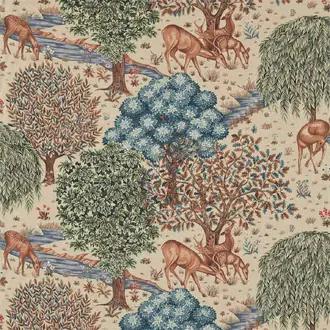
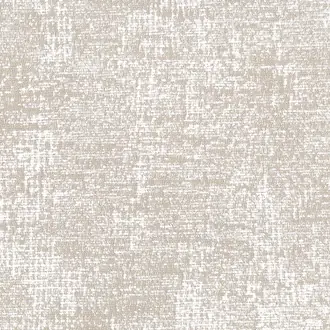
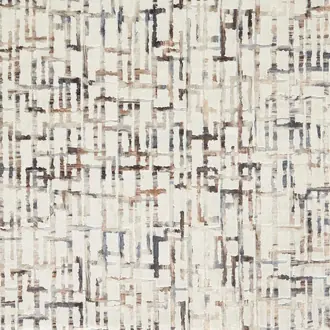

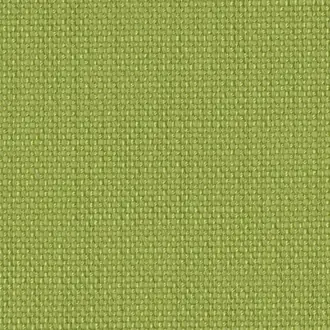


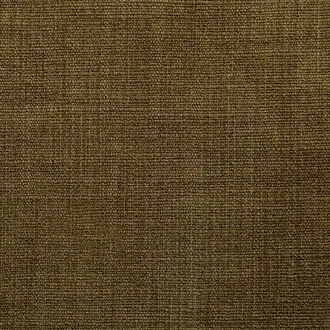
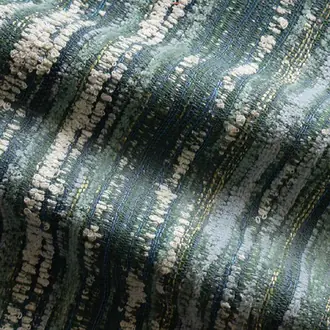
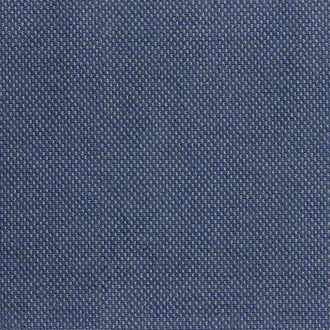
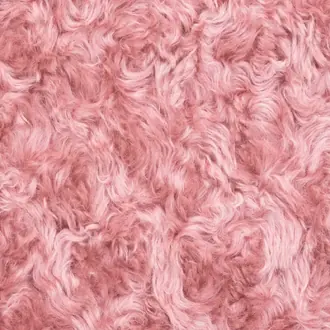

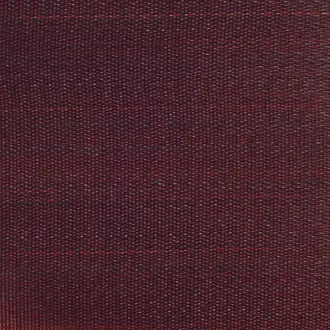
Compare the surface
Look at whether the texture is fine, slubbed, ribbed, looped or raised and how pronounced it appears from normal viewing distance.

No products matched “”.
No matches for “”.
 1716 reviews
Explore designer textured fabric for curtains, upholstery, Roman blinds and cushions, from tactile plain and semi-plain weaves to ribbed, slubbed and patterned surfaces. Discover versatile neutrals alongside richer contemporary colours for adding depth without relying on a strongly printed motif.
Choose textured upholstery fabric for sofas, chairs and headboards, or introduce woven character through curtains, blinds and accessories. Because texture affects handle, drape and performance as well as appearance, check the individual fabric's recommended use, composition, width and care information, and order a sample before making your final selection.
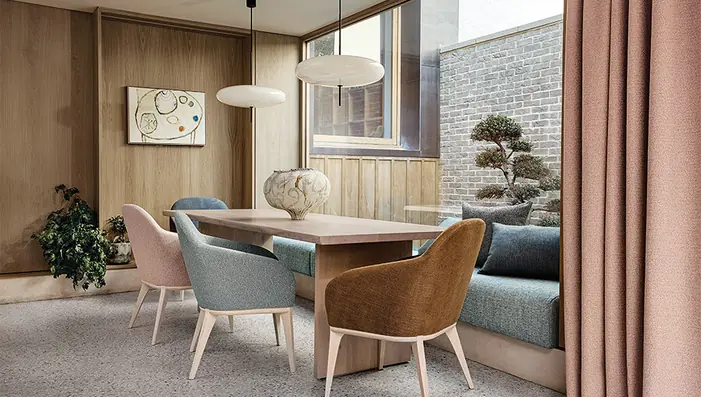

Surface, handle and purpose
Texture can come from the yarn, weave, pile or finishing process. Slubs, ribs, loops, raised details and mixed fibres catch the light differently and give even a plain colour more visual depth. Some textures are subtle from across a room, while others form an expressive surface in their own right.
Start with the intended application. A textured curtain fabric needs the right drape and handle, while upholstery must also meet the demands of the furniture and expected use. Always judge suitability from the exact manufacturer's specification.
Look at whether the texture is fine, slubbed, ribbed, looped or raised and how pronounced it appears from normal viewing distance.
Texture influences softness, thickness and drape, so two fabrics with similar photographs may behave very differently in person.
Check recommended use, composition, width, care guidance and relevant durability rather than relying on appearance alone.

Sofas, chairs and headboards
Textured upholstery fabric can define the shape of a sofa or chair without using a strongly repeated motif. Fine irregular weaves create quiet movement, while chunkier or raised surfaces make the material itself a more prominent part of the design.
Confirm that the precise fabric is recommended for upholstery and that its durability is suitable for the intended piece. Also consider how the surface should be maintained and whether its colour and construction are practical for the room.
For tightly tailored furniture, ask the upholsterer whether thickness, direction or surface variation affects seam placement or the required quantity.

Curtains and Roman blinds
A woven texture can bring depth to curtains without the visual commitment of a bold print. As the folds move between light and shade, ribs, slubs and raised yarns become more visible and give a plain or neutral colour greater character.
Review width, weight, opacity and drape alongside the texture. A substantial construction may form fuller, more architectural folds, while a lighter cloth can create a softer window treatment.
For Roman blinds, consider how a raised or directional surface will sit across repeated folds. Check the precise fabric specification before selecting it for the finished blind.

Plains, semi-plains and raised patterns
Textured fabric is not limited to irregular plain weaves. Contrasting yarns, relief effects, cut and uncut surfaces and raised abstract patterns can create designs that sit between a semi-plain and a conventional pattern.
Subtle texture is useful when a room needs depth but already contains several decorative motifs. A more sculptural surface can become the focal point on a chair, bench, headboard or pair of cushions.
Look at the fabric from both close range and across the room. Some surfaces appear almost plain at a distance but reveal considerable detail when seen nearby.
Planning a layered interior
Texture can provide the room's main material statement or act as a quieter link between colour, pattern and natural finishes.
Combine several cream, stone or natural textures to create variation through surface and shadow rather than strong colour contrast.
Rust, green, blue and ochre fabrics often reveal their woven character more clearly as light moves across the coloured yarns.
Use tactile semi-plains beside florals, geometrics and stripes to give the eye somewhere quieter to rest without making the scheme flat.

Samples and technical checks
A photograph cannot fully communicate softness, thickness, relief or how a fabric catches the light. A sample allows you to compare the real handle and surface with the other materials in your room.
Before ordering the final length, check composition, width, care guidance, recommended use and any relevant durability information. For curtains, blinds or upholstery, confirm the quantity and suitability with the person making the finished item.
Continue browsing
Frequently asked questions
Textured fabric has a surface with visible or tactile variation created through its yarns, weave, pile or finish. Examples include slubbed, ribbed, looped, raised and irregular woven constructions.
Some textured fabrics are designed for upholstery, but suitability must be confirmed for the exact product. Review its recommended use and durability and check it is appropriate for the furniture and expected wear.
Many textured fabrics can be used for curtains when their specification permits. Consider weight, drape, opacity, width and how the surface will appear across the curtain folds.
A conventional pattern is usually defined by repeated colour or motif, while texture is created by the physical surface of the cloth. Some fabrics combine both, using raised yarns or varied construction to form a visible pattern.
They can be. Bouclé typically uses looped yarns, while chenille has a soft, raised pile. Each remains a distinct construction, and its recommended use and performance must be checked for the individual product.
A sample helps you assess the true colour, softness, thickness and relief. These qualities, and the way the surface responds to light, cannot be judged accurately from a screen alone.
Prices and taxes are calculated based on your country.
Some items may not be available for delivery to every country — we will tell you at the basket or checkout if anything cannot be sent.
Necessary cookies enable core functionality such as page navigation, your shopping basket and secure checkout. The site cannot work properly without them.
| Cookie | Provider | Duration |
|---|---|---|
| __cf_bm | Cloudflare | 30 minutes |
| cf_clearance | Cloudflare | Varies |
| ect_consent | First party | 180 days |
| ectcartcookie | First party | Session |
| ecthash | First party | Session |
| ectordid | First party | Session |
| ectsessid | First party | Session |
| PHPSESSID | First party | Session |
Preference cookies let the site remember choices you make (such as your region or recently viewed items) for a more personal experience.
| Cookie | Provider | Duration |
|---|---|---|
| ect_country_popup_shown | First party | 1 day |
| WRITECLL | First party | Persistent |
| WRITECLP | First party | Persistent |
Statistics cookies help us understand how visitors use the site by collecting and reporting information anonymously.
| Cookie | Provider | Duration |
|---|---|---|
| _ga | Google Analytics | 2 years |
| _ga_ | Google Analytics | 2 years |
| _hj | Hotjar (via Google Tag Manager) | 30 minutes - 1 year |
| fs_uid | FullStory (via Google Tag Manager) | 1 year |
Marketing cookies track visitors across sites to display relevant ads and measure campaign performance.
| Cookie | Provider | Duration |
|---|---|---|
| __kla_id | Klaviyo | 2 years |
| _gcl_ | Google Ads (via Google Tag Manager) | 90 days |
| id1 | First party | ~6 months |
| id2 | First party | ~6 months |
| IDE | Google DoubleClick (third-party, doubleclick.net) | 13 months |
| PARTNER | First party | Persistent |