



Textile Wallpaper
Discover textile wallpaper with genuine woven fibres, embroidered surfaces, soft-touch finishes and specialist materials including leather. From quiet linen-look texture to richly layered couture designs, this collection brings depth, warmth and tactile character to walls.

Get A Quote







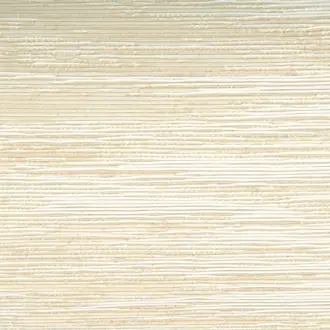


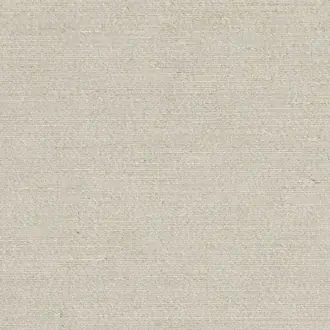

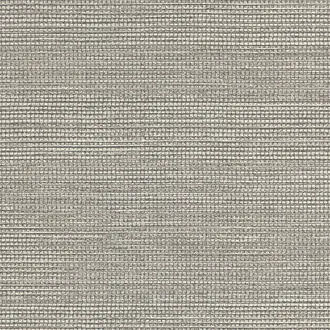


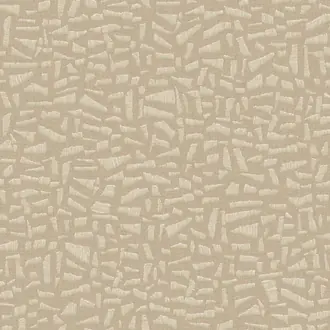


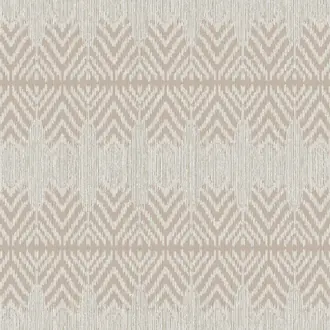


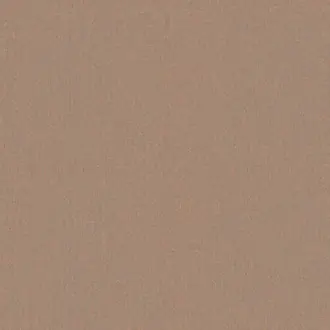


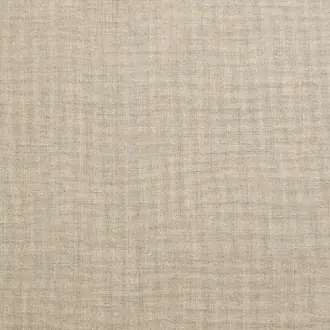


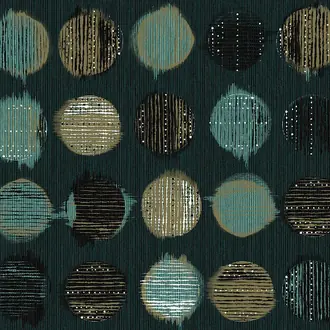


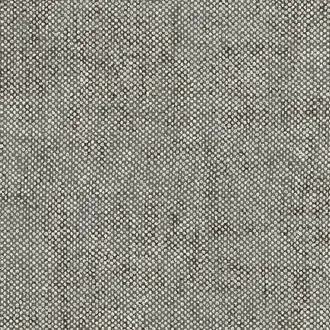





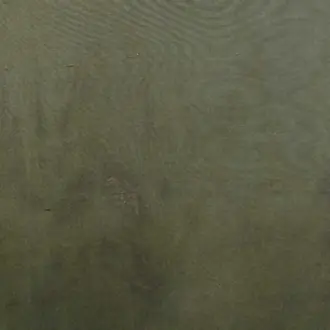


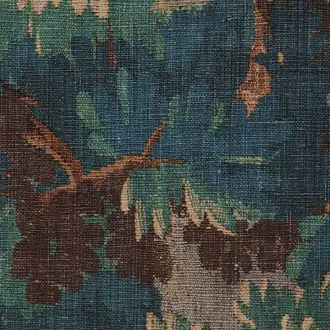





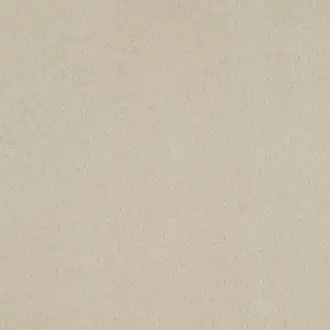


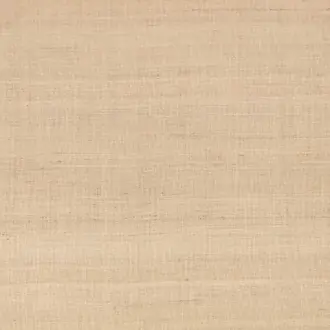



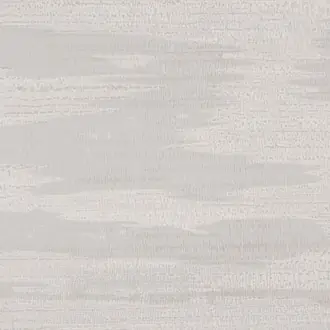
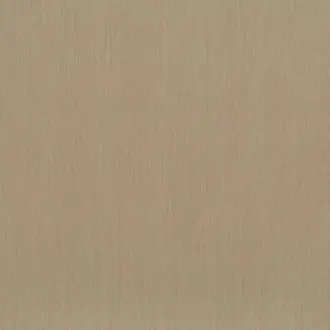


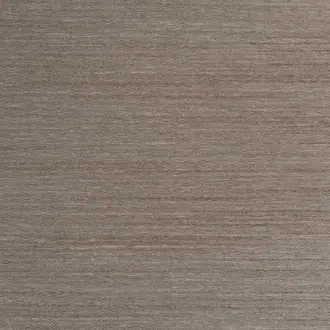


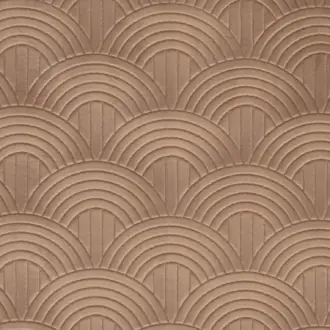


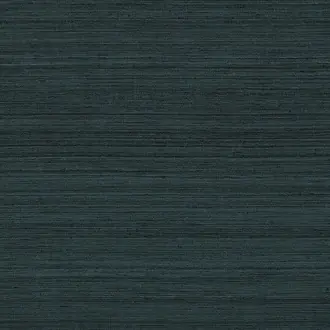


Woven, layered and tactile
What Is Textile Wallpaper?
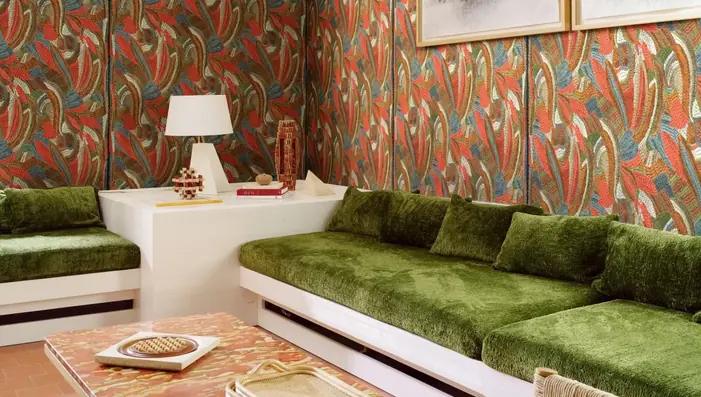
Textile wallpaper is a broad family of material-led wallcoverings. It includes genuine woven fabrics, embroidered surfaces, applied yarns, velvet, flock and specialist materials such as leather, as well as selected wallcoverings designed to reproduce the depth and appearance of cloth.
“Fabric wallpaper” is often used for the same category, although construction varies considerably. Some designs use fabric laminated to a stable backing; others create their texture through thread, pile, technical fibres or a convincing textile-effect surface.
Woven character
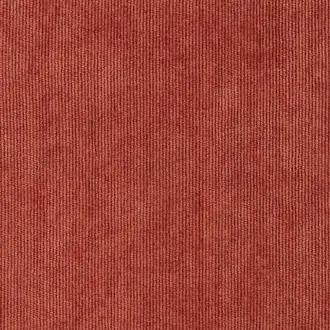
Linen, silk, velvet and other woven surfaces introduce slubs, lustre, pile and subtle natural variation.
Layered craftsmanship
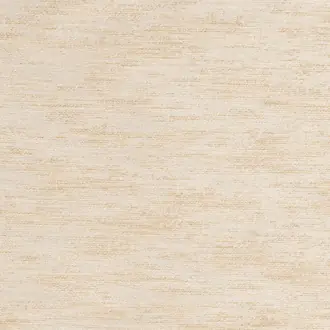
Embroidery, flock and applied yarns create relief, pattern and a distinctly decorative or couture finish.
Specialist finishes
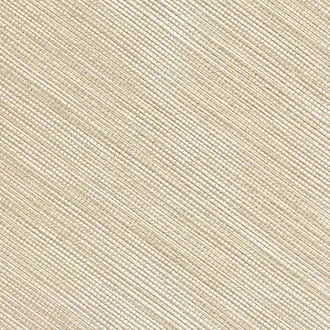
Leather, technical textiles and textile-effect surfaces extend the choice for residential and commercial interiors.

Woven and embroidered surfaces
Genuine Fabric and Embroidered Wallcoverings
Some textile wallcoverings use a genuine fabric face bonded to a paper, non-woven or specialist backing. Others combine a woven ground with raised embroidery, decorative thread or applied fibres to create depth across the surface.
A plain weave can add quiet warmth without introducing a dominant pattern. Embroidery creates a more expressive finish, with changing light emphasising the raised threadwork and the contrast between the ground and decoration.
Handmade and natural-fibre designs may show gentle variations between lengths. These differences are normally part of the material’s character rather than faults, but they should be considered when planning seams and quantities.

Natural fibres and decorative thread
Sisal, Woven Grounds and Applied Detail
Textile techniques are often combined with natural wallcovering materials. Sisal, jute and other plant-fibre grounds provide an irregular woven base, while embroidery or applied yarn adds colour, direction and pattern.
The visible slubs, knots and tonal changes found in natural fibres give each panel individual character. Where embroidery is added, the contrast between the organic ground and the more controlled threadwork creates an especially layered surface.
These materials can vary in colour and texture between batches and panels. Ordering a sample helps, but the completed installation should still be expected to retain some of the natural movement of the original fibre.

A specialist material finish
Leather Wallcoverings Within the Textile Collection
Leather is not a woven fabric, but leading wallcovering manufacturers commonly present it within their wider textile collections. It shares the category’s emphasis on natural material, touch, relief and specialist craftsmanship.
Leather wallcoverings may be cut into panels, stitched by hand, embossed or combined with embroidery. Natural markings and tonal movement remain visible, ensuring the finished surface does not appear completely uniform.
These products usually require careful handling and professional installation. Individual specifications should be checked for cleaning, lightfastness, fire classification and suitable room conditions.
Choosing the right construction
Check the Material, Backing and Finish
Textile wallpaper is not one standardised product type. Construction affects appearance, seam visibility, installation and care, so the individual specification is more important than the category name alone.
Genuine or textile-effect
Check whether the surface uses genuine woven fibres, applied yarn, flock, leather or a finish designed to reproduce the appearance of cloth.
Expect material variation
Natural fibres and handmade surfaces may show slubs, knots, tonal movement and visible joins. These qualities form part of their character.
Follow the specification
Widths, selling units, backings, adhesives and seam methods vary. Use the instructions supplied for the exact product rather than a general method.

Samples and selection
View Textile Colour and Texture at Home
Textile surfaces react strongly to light. Silk and metallic thread can appear brighter as the viewing angle changes, while velvet, flock and darker woven finishes absorb light and may look deeper in the evening.
A sample helps you assess colour, sheen, weave, pile and raised detail alongside your flooring, paint and fabrics. Move it between walls and examine it in both daylight and artificial light.
A small cutting may not show the complete pattern or the full extent of natural variation. Compare it with the product repeat and room photography before calculating your order.
Continue browsing
Related Textile Wallcoverings
Frequently asked questions
Textile Wallpaper FAQs
Is fabric wallpaper the same as textile wallpaper?
The terms overlap. Fabric wallpaper normally refers to wallcoverings made with or designed to resemble cloth. Textile wallpaper is the broader category used here for woven fabrics, embroidery, applied yarns, velvet, flock, leather and related tactile surfaces.
Is every textile wallpaper made from genuine fabric?
No. Some designs use genuine woven or laminated textiles, while others use embroidery, applied fibres, flock, technical materials or a textile-effect surface. Check the individual product description when the precise construction is important.
Why is leather included with textile wallpaper?
Leather is not a woven textile, but wallcovering manufacturers often group it with textile collections because it shares their material-led character, specialist construction and tactile finish. Leather products remain clearly identified within the collection.
Are textile wallcoverings durable?
They can be when matched to the correct setting and installed properly, but performance varies significantly. Check the product’s cleaning guidance, lightfastness, fire classification and commercial suitability rather than assuming every textile surface performs alike.
Can textile wallpaper be used in a bathroom or kitchen?
Only where the manufacturer confirms that the particular product is suitable. Many natural, embroidered, silk, velvet and leather surfaces are best kept away from persistent humidity, steam and direct splash zones.
Will the seams be visible?
Seams may remain more apparent on woven, natural or raised surfaces than on flat printed wallpaper. Texture, pile direction, panel variation and the installation method can all affect how the joins read once fitted.
How is textile wallpaper installed?
The required wall preparation, adhesive and seam technique depend on the surface and backing. Always follow the manufacturer’s instructions. Wide-width, handmade, embroidered, delicate and leather wallcoverings are best installed by an experienced professional.
What should I check before ordering?
Review the material composition, width, selling unit, repeat, backing and hanging instructions. Order a sample to assess the colour and surface, then confirm quantities and batch availability before arranging installation.