











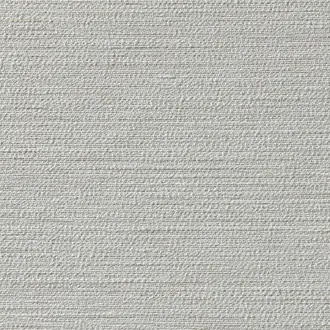
































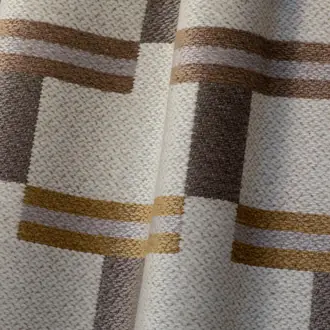





Soft plains
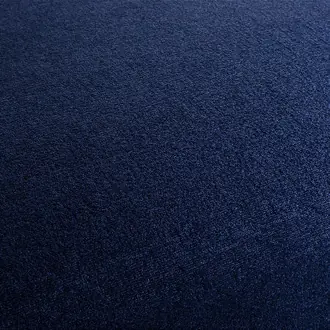
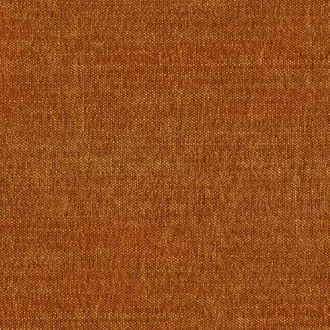
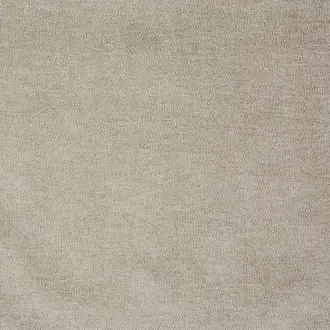
Versatile colour and a gently mottled surface for sofas, chairs, cushions, curtains and headboards.

No products matched “”.
No matches for “”.
 1722 reviews
Explore designer chenille fabric for sofas, armchairs, curtains, blinds, cushions and upholstered headboards. From softly mottled plains and dense upholstery cloths to lustrous weaves and decorative patterns, chenille brings colour, depth and a distinctly tactile surface to an interior.
Chenille describes the character of the yarn or construction rather than one particular fibre. Composition, weight, handle and durability therefore vary between designs. Order a sample and check the individual fabric’s recommended use, composition, width, care information and Martindale result before ordering.
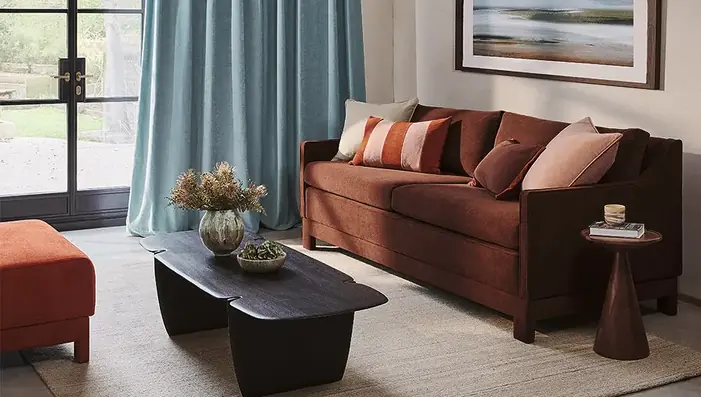

Yarn and construction
Chenille takes its name from the French word for caterpillar, a reference to the soft, fuzzy character of chenille yarn. Short fibres are held around a central core, creating a raised surface that catches light differently as the yarn changes direction. When woven into furnishing cloth, this can produce anything from a subtle, dry texture to a deep and lustrous pile.
Chenille is not a fibre in its own right. The yarn may be made using cotton, viscose, polyester, acrylic or a blend, and it can be combined with linen, wool and other fibres. This is why two chenille fabrics can differ considerably in softness, sheen, weight, drape, care and performance.
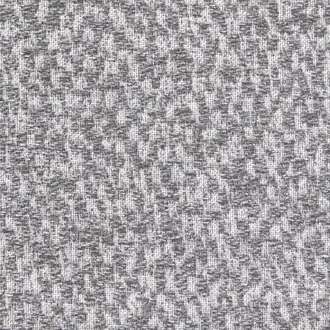
Versatile colour and a gently mottled surface for sofas, chairs, cushions, curtains and headboards.
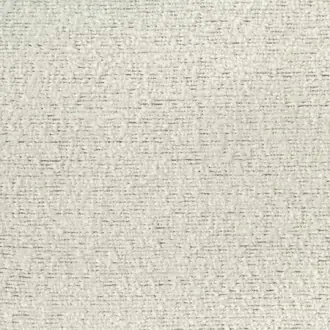
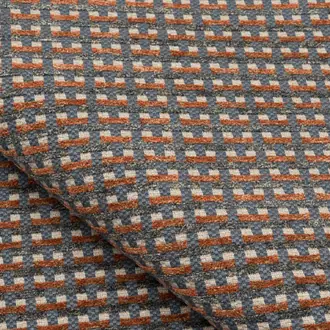
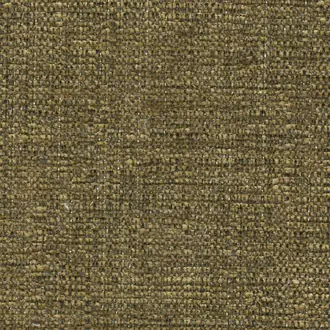
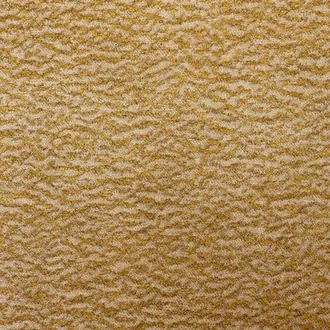
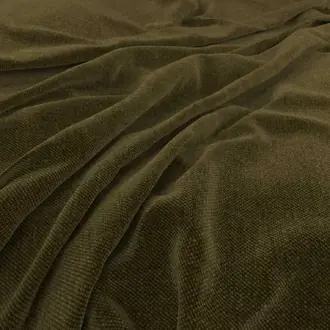
Slubbed, basket-like and chunky constructions that give upholstery greater visual depth and tactile character.
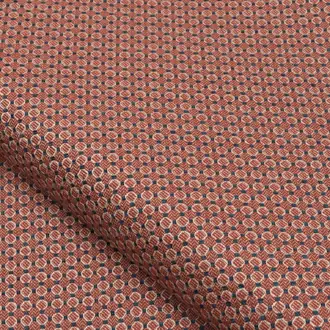
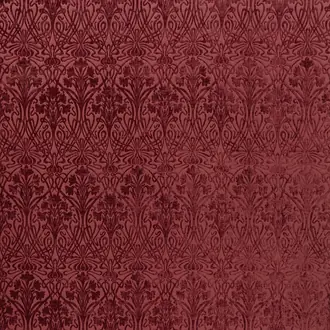
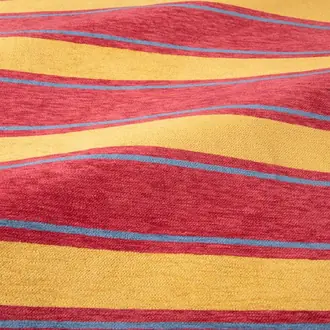
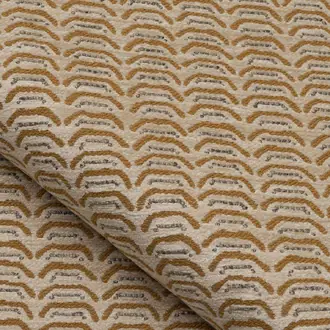
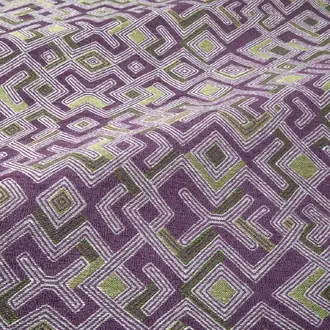
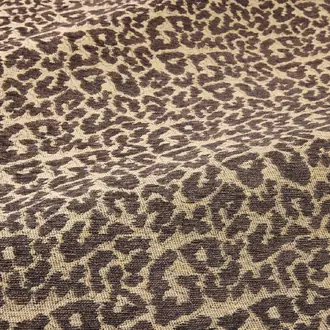
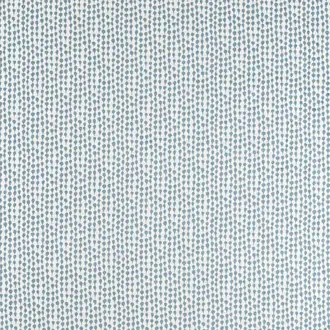
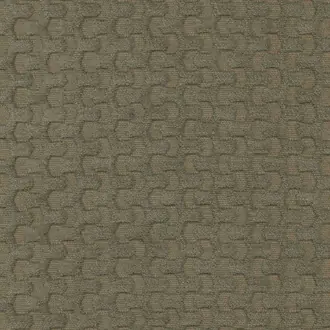
Jacquards, stripes and patterned chenilles that combine a raised yarn with colour and woven detail.

Sofas, chairs and headboards
Chenille is widely used for upholstery because its raised yarn gives furniture a warm, inviting surface. Dense plains can suit large sofas and structured armchairs, while chunkier or more irregular weaves bring extra character to occasional chairs, benches, ottomans and headboards.
Suitability depends on the exact cloth rather than the word chenille alone. Confirm that upholstery is listed as a recommended use and review the Martindale result, composition, care requirements and any fire-retardancy needs with your upholsterer. A very soft chenille intended for curtains should not automatically be treated as upholstery fabric.

Windows and softer furnishings
Lighter chenilles and pliable chenille-blend weaves can make richly textured curtains with a soft, substantial drape. The raised yarn adds depth to a plain colour and can create gentle variations in tone as daylight moves across the folds.
Check the fabric’s curtain suitability, weight, usable width and care information before ordering. Heavier constructions may need an appropriate heading, track and lining specification, while some upholstery chenilles will be too firm to form attractive curtain folds.

Handle, pile and light
The distinctive surface comes from chenille yarn, but the finished handle also depends on yarn size, weave density and the other fibres used in the cloth. Fine chenille can feel smooth and softly brushed; larger yarns may create a loopier, more pronounced texture.
A raised surface may show shading, pressure marks or changes of direction, particularly on frequently used upholstery. These characteristics are part of the fabric’s tactile appearance, but the degree varies. View the room image and close-up, then order a sample to assess the texture under your own lighting.

Performance and intended use
Start with the finished application. A family-room sofa needs a different balance of abrasion resistance, cleanability and handle from curtains in a bedroom or a lightly used decorative chair. The Martindale result is useful for comparing upholstery performance, but it should be read alongside the manufacturer’s recommended use and complete technical specification.
Composition can influence sheen, softness and maintenance. Viscose-rich chenille may have a particularly lustrous touch but can require more careful handling; synthetic blends can offer practical performance; cotton-rich constructions may feel dry and relaxed. These are general tendencies, so rely on the specification for the chosen design.

Colour and surface
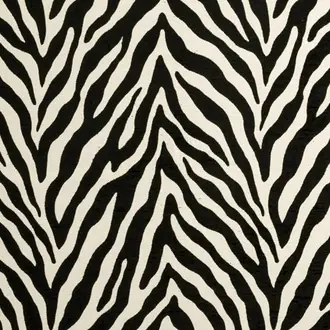
Plain chenille is not visually flat: the yarn can scatter light across the surface and create a softly mottled colour. Mélange and two-tone weaves increase that variation, while patterned chenilles use the raised yarn within checks, stripes, geometrics, jacquards and more expressive designs.
For a coordinated room, repeat one chenille across upholstery and cushions or combine different textures within a related palette. Always compare samples together, because pile and weave can make colours appear lighter, deeper or more changeable than they do on screen.

Specify with confidence
A sample is especially valuable with chenille because photography cannot fully communicate its raised yarn, softness, thickness or response to light. Handle the fabric, fold it for curtains and place it against the intended furniture, flooring and paint colours.
Use the sample alongside the product specification. A small cutting confirms appearance and handle, while the published width, composition, repeat, Martindale result, care information and recommended use determine whether the design is appropriate for the project.
Continue browsing
Frequently asked questions
Chenille describes the yarn or construction rather than a single fibre. Chenille furnishing fabrics may use cotton, viscose, polyester, acrylic or blended yarns, sometimes combined with linen, wool and other fibres. Check the composition of the individual product.
Many chenilles are designed for sofas, chairs, cushions and headboards, but not every chenille is upholstery weight. Confirm that upholstery appears in the recommended use and review abrasion performance, care and any applicable fire requirements.
Yes. Softer, more pliable chenilles can create substantial, textured curtains. Check curtain suitability, weight, width and care because dense upholstery constructions may be too firm or heavy for attractive drapery.
Velvet is defined by a dense upright cut or looped pile, which usually produces a smoother surface. Chenille uses fuzzy yarn within the construction and can look softly brushed, slubbed, chunky or woven. Some fabrics combine characteristics of both, so the supplier’s description remains important.
Some chenilles are highly durable upholstery fabrics, while others are intended for curtains or light decorative use. Durability depends on the complete construction. Use the recommended application and technical specification rather than judging from texture alone.
Raised chenille yarn can reflect light differently when brushed or compressed, so some designs show tonal variation or temporary pressure marks. The effect varies by construction and is best assessed with a sample.
Follow the care instructions supplied for the exact fabric. Fibre content and finish differ widely, and unsuitable rubbing, moisture or cleaning products can alter the raised surface. Professionally made upholstery may require specialist cleaning.
A sample shows the actual colour, scale, thickness and tactile surface. It also lets you see how the yarn responds to daylight and artificial light before committing to curtains or upholstery.
Prices and taxes are calculated based on your country.
Some items may not be available for delivery to every country — we will tell you at the basket or checkout if anything cannot be sent.
Necessary cookies enable core functionality such as page navigation, your shopping basket and secure checkout. The site cannot work properly without them.
| Cookie | Provider | Duration |
|---|---|---|
| __cf_bm | Cloudflare | 30 minutes |
| cf_clearance | Cloudflare | Varies |
| ect_consent | First party | 180 days |
| ectcartcookie | First party | Session |
| ecthash | First party | Session |
| ectordid | First party | Session |
| ectsessid | First party | Session |
| PHPSESSID | First party | Session |
Preference cookies let the site remember choices you make (such as your region or recently viewed items) for a more personal experience.
| Cookie | Provider | Duration |
|---|---|---|
| ect_country_popup_shown | First party | 1 day |
| WRITECLL | First party | Persistent |
| WRITECLP | First party | Persistent |
Statistics cookies help us understand how visitors use the site by collecting and reporting information anonymously.
| Cookie | Provider | Duration |
|---|---|---|
| _ga | Google Analytics | 2 years |
| _ga_ | Google Analytics | 2 years |
| _hj | Hotjar (via Google Tag Manager) | 30 minutes - 1 year |
| fs_uid | FullStory (via Google Tag Manager) | 1 year |
Marketing cookies track visitors across sites to display relevant ads and measure campaign performance.
| Cookie | Provider | Duration |
|---|---|---|
| __kla_id | Klaviyo | 2 years |
| _gcl_ | Google Ads (via Google Tag Manager) | 90 days |
| id1 | First party | ~6 months |
| id2 | First party | ~6 months |
| IDE | Google DoubleClick (third-party, doubleclick.net) | 13 months |
| PARTNER | First party | Persistent |