



Damask Wallpaper
Explore designer damask wallpaper ranging from classical scrolling motifs and ornate floral patterns to simplified contemporary interpretations. Discover subtle neutral damasks, dramatic colour, metallic highlights, embossed surfaces and luxurious flock finishes from leading international wallcovering brands. Use damask across an entire room or to create a decorative focal wall, and order samples where available to compare colour, scale and finish in your own interior.

Get A Quote











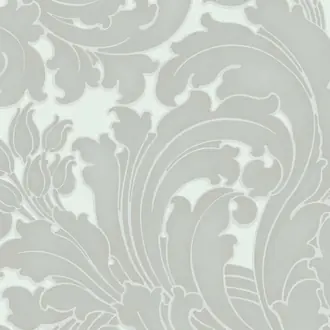


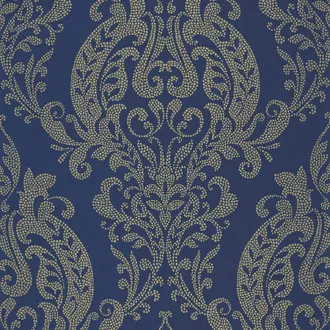


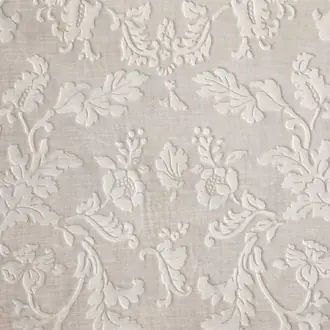


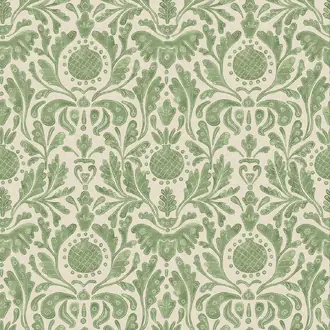


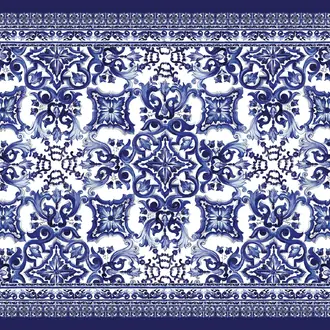


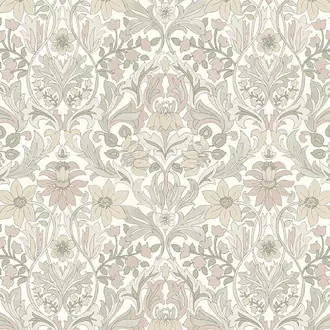


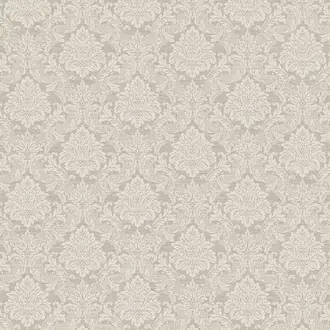


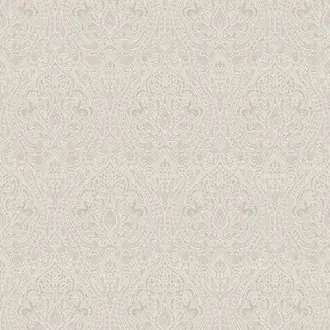


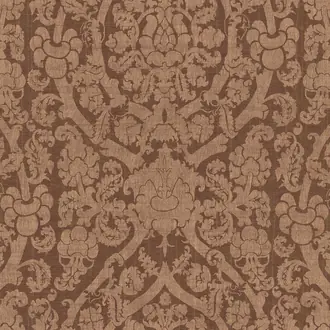


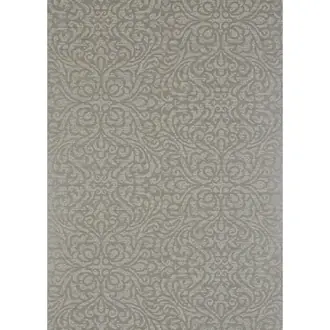


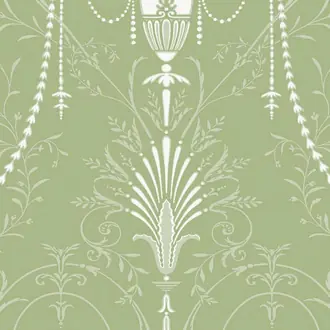


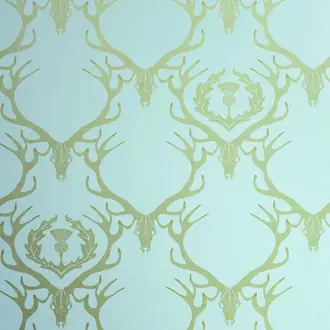



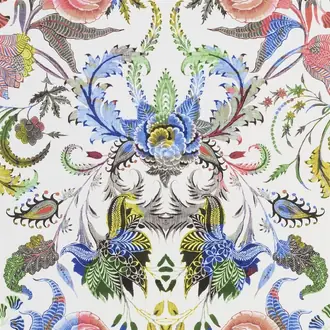

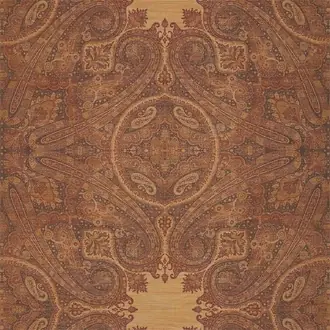
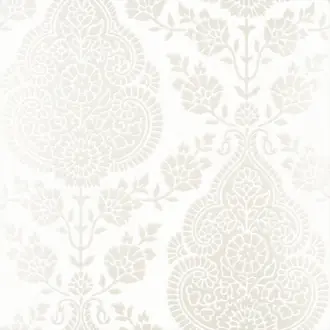


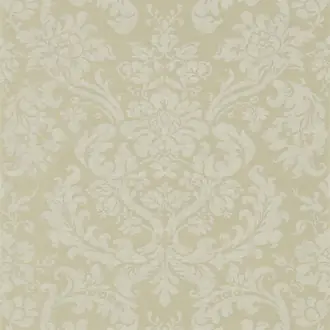


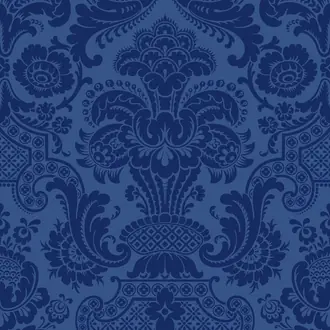


Decorative pattern
What Is Damask Wallpaper?
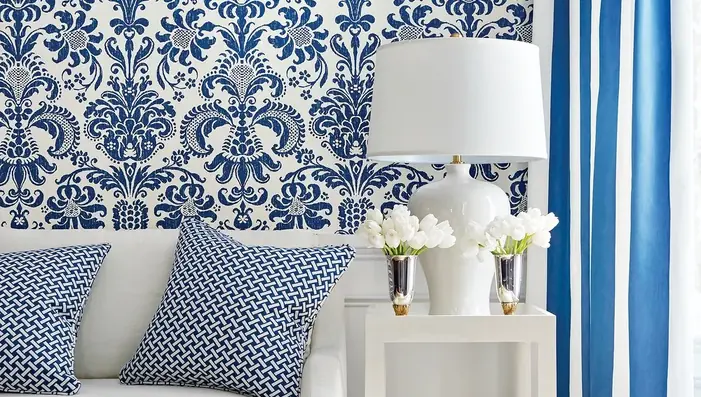
Damask wallpaper takes its character from the balanced, ornamental patterns associated with woven damask textiles. Traditional designs often use symmetrical arrangements of leaves, flowers, scrolls and decorative forms, creating a pattern that can feel formal without relying on a simple geometric repeat.
Contemporary wallcoverings reinterpret this decorative structure through enlarged scale, simplified shapes, unexpected colour, distressed effects and specialist surfaces. The result can range from quiet tonal pattern to a highly decorative focal wall.
Classical damask
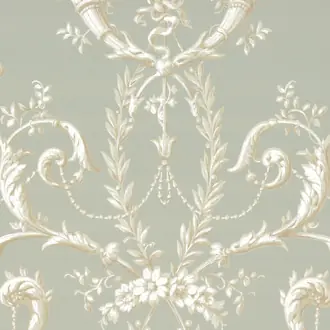
Symmetrical scrolls, florals and ornamental motifs create the formal, balanced appearance traditionally associated with damask.
Modern damask
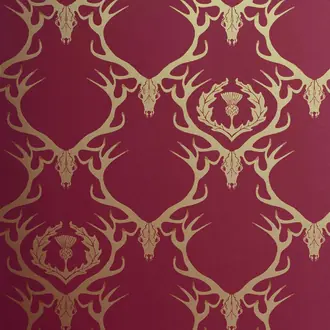
Simplified forms, larger scale, expressive colour and distressed effects give the pattern a more contemporary character.
Specialist finishes
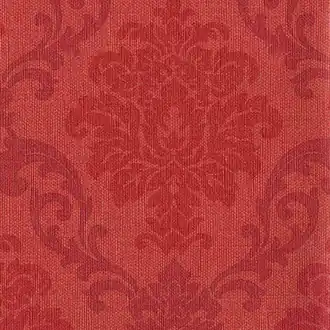
Metallic inks, embossing, flock and textile constructions can add sheen, relief or a soft tactile surface to the design.

Timeless pattern
Traditional Damask Wallpaper
Traditional damask wallpaper typically uses a regular arrangement of scrolling leaves, flowers, medallions or ornamental forms. Its symmetry gives the pattern order and rhythm, making it suitable for drawing rooms, dining rooms, bedrooms, halls and other interiors where a decorative but composed backdrop is required.
Colour determines how formal the pattern feels. Tonal neutrals and soft blues can create a restrained result, while black, deep red, green and metallic combinations give the same decorative structure considerably more drama.
Damask is one family within traditional wallpaper rather than a description for every heritage design. Toile, stripes, chinoiserie and Arts and Crafts patterns have their own distinctive structures and customer purposes.

Colour and scale
Modern Damask Wallpaper
Modern damask designs retain the balanced or mirrored character of the original pattern while changing its scale, colour or level of detail. An oversized motif can feel graphic and architectural, while a simplified tonal design may read almost like texture from across the room.
Brighter colourways allow damask to work beyond conventionally formal schemes. Red, blue, green and contrasting two-colour patterns can create lively contemporary walls, particularly when paired with simpler furniture and restrained window treatments.
Some damasks also combine floral, geometric or abstract qualities. These overlaps are legitimate where the design still retains the repeating ornamental structure of damask.

Surface and light
Metallic, Textured and Flock Damask
Damask pattern can be enhanced through the physical or reflective qualities of the wallcovering. Metallic inks and foil effects respond to changing light, while embossing can raise parts of the motif and emphasise its ornamental detail.
Flock damask uses short fibres to create a soft raised surface that recalls cut velvet. Other specialist products may use textiles, grasscloth, paperweave or layered constructions beneath the printed or embossed design.
A photographed surface may look tactile without having genuine relief. Check the individual product construction if flock, embossing, textile or metallic material is important to the scheme.

Quiet pattern
Neutral Damask Wallpaper
Neutral damask offers decorative detail without requiring strong colour contrast. Ivory, beige, taupe, stone, grey and soft metallic tones can allow the pattern to emerge gradually as light moves across the wall.
Tonal designs are particularly useful when wallpapering a complete room because the repeated motif provides interest without overwhelming furniture, artwork or patterned fabrics. They can also introduce a sense of structure where a completely plain wall would feel too flat.
Choosing the design
Consider Scale, Contrast and Pattern Repeat
Damask patterns vary from compact, finely detailed repeats to very large ornamental motifs. Review the pattern dimensions alongside the room-set photography and consider how much of the complete motif will remain visible around doors, furniture and architectural features.
Small and medium scale
More compact repeats often work comfortably across every wall and can create a consistent decorative background without one motif dominating the room.
Large-scale damask
Oversized motifs need sufficient visible wall area to be appreciated. Check the vertical repeat and consider where the principal elements will sit once the room is furnished.
Tonal or contrasting
Low-contrast colourways emphasise surface and pattern gradually. Strong contrast makes the repeat more immediately visible and creates a more dramatic decorative statement.

Samples and selection
See the Detail and Finish Before Ordering
Damask designs can rely on subtle changes in sheen, relief and tone that are difficult to judge accurately on screen. A sample allows you to compare colour and surface under the natural and artificial light in your room.
Sampling is particularly useful for metallic, embossed, flock and textile wallcoverings. A sample may show only part of a large repeat, so use it alongside the complete pattern and room-set images. Availability, size and charges vary by supplier.
Continue browsing
Related Designer Wallpaper
Frequently asked questions
Damask Wallpaper FAQs
What is damask wallpaper?
Damask wallpaper uses balanced ornamental motifs influenced by woven damask textiles. Designs commonly feature scrolling leaves, florals, medallions and mirrored decorative forms arranged into a regular repeat.
Is damask wallpaper only suitable for traditional interiors?
No. Classical damask works naturally in traditional rooms, but modern interpretations use simplified forms, oversized scale, unusual colour and distressed or graphic effects that suit contemporary interiors.
What is the difference between damask and floral wallpaper?
Floral wallpaper is defined principally by flowers and foliage. Damask is defined by its balanced ornamental structure. A floral arrangement can form a damask pattern, so some products legitimately belong to both categories.
Can damask wallpaper be used on every wall?
Yes. Tonal, neutral and smaller-scale damasks can work particularly well throughout a room. Larger or strongly contrasting designs may be used across every wall or reserved for a focal wall depending on the desired level of impact.
What is flock damask wallpaper?
Flock damask has a raised, soft surface created by applying short fibres to selected parts of the design. The effect recalls cut velvet and can add both tactile and visual depth.
Does metallic damask wallpaper contain real metal?
Construction varies. Some designs use metallic ink, mica, foil or other reflective layers, while others simply reproduce a metallic appearance through print. Check the individual product specification for the precise material and finish.
Should I order a sample of damask wallpaper?
We recommend sampling where available, especially for tonal, metallic, embossed, flock or textile designs. Use the sample to assess colour and finish, and the full product imagery to understand the complete repeat and overall scale.
How do I calculate how much damask wallpaper I need?
Measure the wall width and height and check the roll dimensions, vertical repeat and matching method for the individual product. Larger repeats can require additional wallpaper for pattern matching. If you are uncertain, contact TM Interiors with the measurements and product details before ordering.