















































Ticking and pinstripes
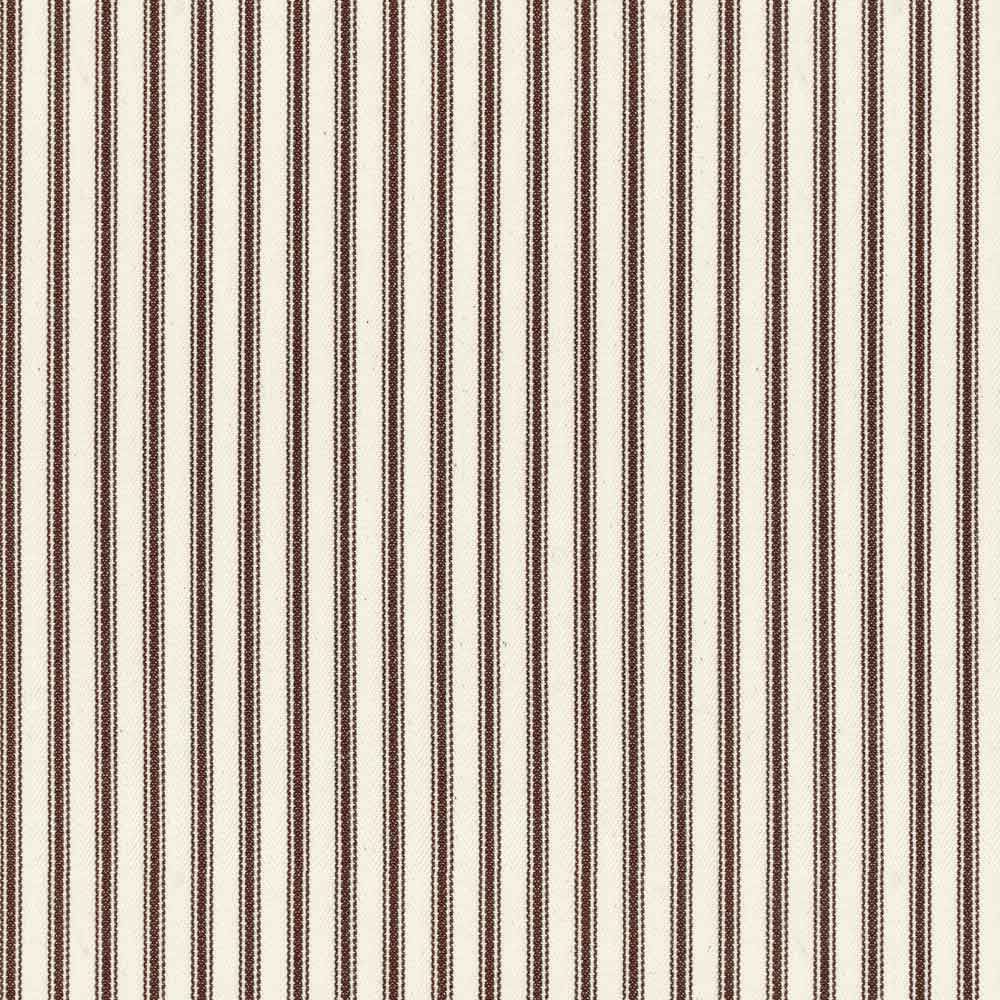
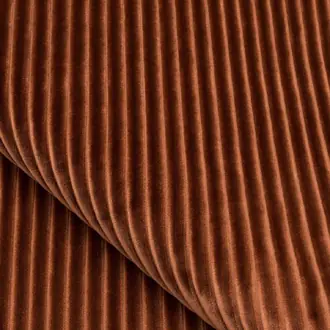
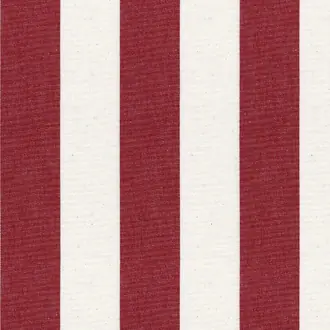
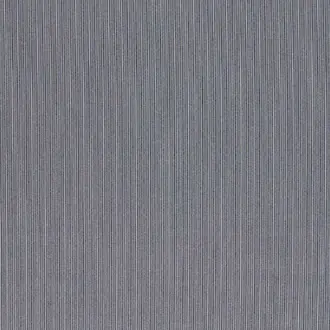
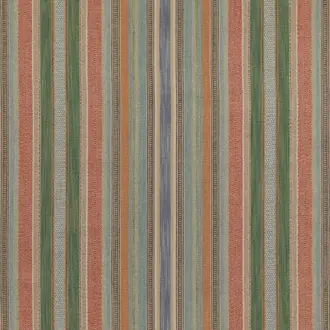
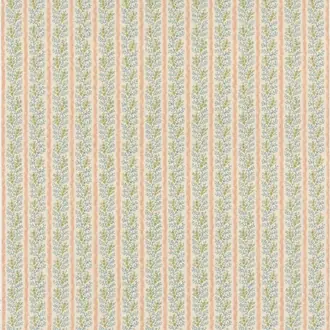
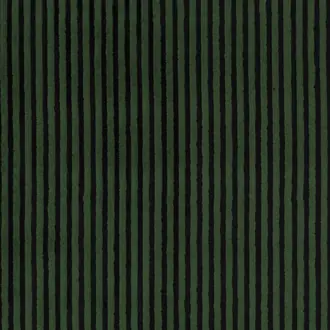
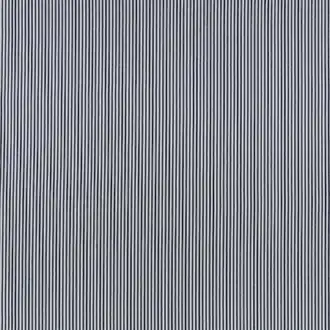
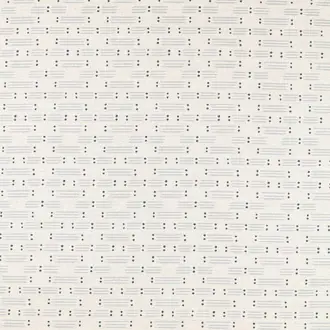
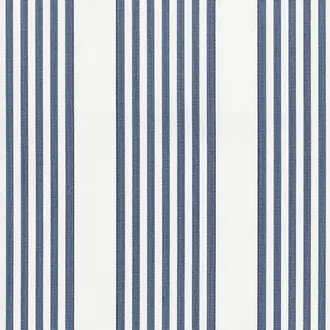
Fine, repeated lines bring crisp detail to relaxed curtains, blinds, cushions and tailored furniture.

No products matched “”.
No matches for “”.
 1722 reviews
Explore designer striped fabric for curtains, blinds, upholstery and cushions. From fine ticking stripes and softly woven neutrals to broad bands and expressive multicolour designs, stripes can introduce gentle rhythm, tailored structure or a confident focal point.
Stripe width, direction, construction and recommended use vary between designs. Order a sample to assess the colour, texture and true scale, and check the individual fabric’s width, repeat, composition and suitability before ordering.

Scale and character
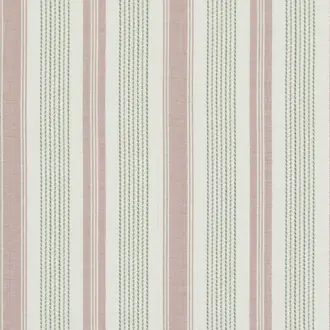
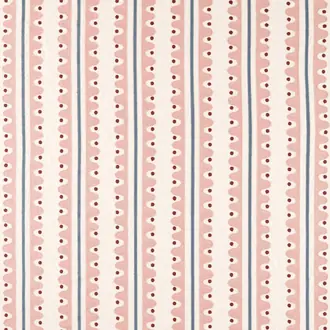
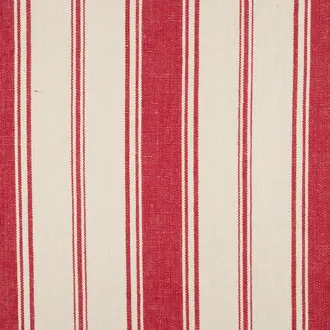
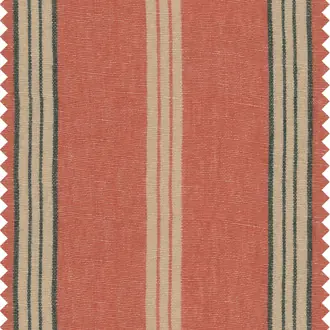
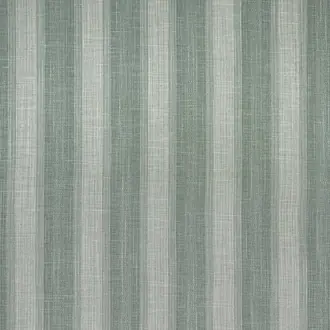
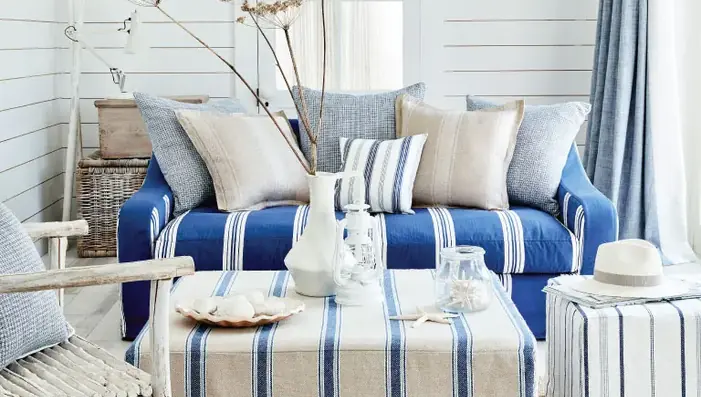
Striped fabric can be quiet and finely tailored or deliberately graphic. The width, spacing and colour contrast determine how strongly the pattern reads: a narrow ticking stripe creates fine detail, evenly spaced bands feel orderly, and broad or irregular stripes make a more emphatic statement.
Look at the full-width image as well as the sample. Closely spaced lines may blend into a textured field from across the room, while broad multicolour stripes remain clearly defined.
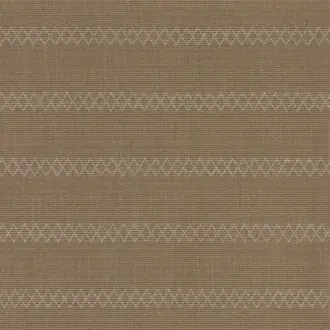
Fine, repeated lines bring crisp detail to relaxed curtains, blinds, cushions and tailored furniture.
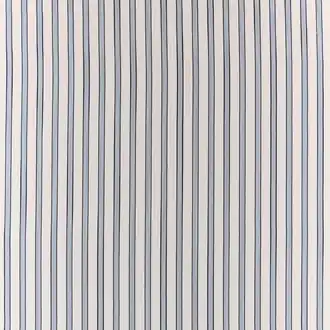
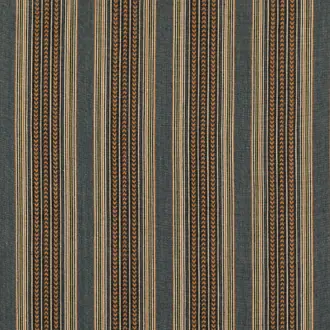
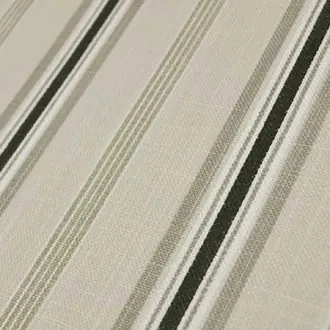
Balanced bands in cotton, linen and blended grounds offer an enduring choice for layered interior schemes.
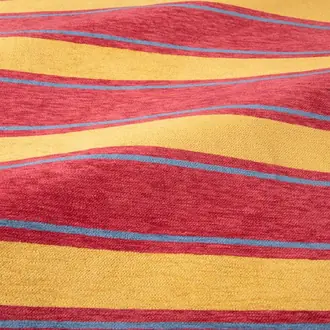
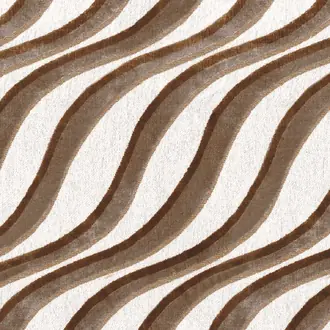
Wide, irregular or strongly contrasted bands turn the stripe into a prominent decorative feature.

Windows and drapery
Full-length curtains give a stripe room to establish a strong vertical rhythm. Fine lines can add height without dominating a scheme, while broad stripes bring clearer colour and structure. On gathered or pleated curtains, some of the pattern turns into the folds, so the stripe may appear narrower when the curtains are closed.
Check the usable width, repeat, pattern alignment and curtain suitability of the exact design. If several widths are joined, careful matching helps the stripes remain consistent across the finished treatment.

Furniture and placement
Stripes can emphasise the form of a sofa, armchair, ottoman or headboard. Fine ticking stripes create an understated tailored surface; wider bands make the direction and placement more prominent. Curves, piping, cushions and separate panels all affect how the lines meet.
Choose a fabric explicitly recommended for upholstery and review its Martindale result and technical specification. Your upholsterer should plan centring, alignment and cutting direction before confirming the quantity.

Proportion and colour
Narrow stripes read as texture and adapt easily to smaller blinds, cushions and detailed furniture. Medium stripes are versatile across curtains and upholstery. Broad bands need more uninterrupted surface, but can anchor a room and give simple furniture a confident graphic quality.
Scale should be judged against the finished item rather than the product image alone. A sample reveals colour and construction, while the published repeat and room-set photography help show how frequently each band will appear.

Print, weave and embroidery
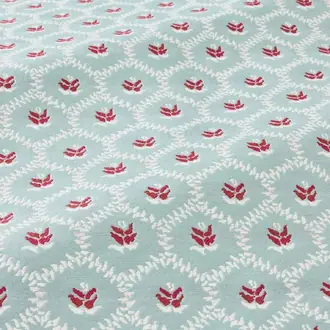
Woven stripes are formed through the yarns and may have a crisp, slubbed or softly textured character. Printed stripes can achieve freer edges, irregular spacing and painterly effects. Embroidered and decorative constructions introduce raised detail, while sheer stripes use differences in weave density and translucency.
The method affects handle, drape, care and recommended use. Do not assume two visually similar stripes will perform in the same way; always check the specification for the individual fabric.

Direction and cutting
A stripe normally follows the direction in which it is shown on the roll, but its appearance on the finished piece depends on the fabric orientation and cutting plan. Vertical stripes can visually lengthen curtains; horizontal placement can broaden a furniture panel or create a border-like effect.
Some upholstery fabrics are suitable for railroading (using the fabric sideways so it can run across a wide piece with fewer joins) but this must be confirmed from the product specification. Pattern direction, pile, stretch, width and manufacturer guidance may prevent a fabric from being turned.
Specify with confidence
A sample helps you compare the real colours, texture, weight and spacing of the stripe with paint, flooring and existing furnishings. Fold or drape it for curtains and place it over the intended furniture if possible. For broad or irregular designs, also consult the full-width image and repeat because a small cutting may not contain every band.
Continue browsing
Frequently asked questions
Yes, many striped fabrics are intended for curtains. Check the recommended use, usable width and repeat for the exact design, and allow for matching when adjoining widths are joined.
Choose fabrics whose specifications explicitly include upholstery. Review abrasion performance, construction and care, and ask the upholsterer to plan stripe alignment across panels, seams and cushions.
Ticking traditionally describes a closely woven cloth with narrow repeated stripes. Contemporary ticking-inspired designs retain that fine, regular appearance and are available for a range of decorative uses.
No. Direction depends on how the design is woven or printed and how the fabric is cut. Never turn a fabric solely for appearance without confirming its width, construction, pattern direction and manufacturer guidance.
Railroading means using the fabric across the roll rather than in its usual lengthwise direction, commonly to cover wide upholstery with fewer joins. Only fabrics confirmed as suitable should be used this way.
Narrow stripes tend to read as fine texture and suit compact applications. Broad stripes create a stronger graphic effect and need enough surface for their scale and colour sequence to be appreciated.
A sample shows the actual colours, weave, weight and stripe spacing. For wide bands or long colour sequences, use it alongside the full design image and published repeat.
Prices and taxes are calculated based on your country.
Some items may not be available for delivery to every country — we will tell you at the basket or checkout if anything cannot be sent.
Necessary cookies enable core functionality such as page navigation, your shopping basket and secure checkout. The site cannot work properly without them.
| Cookie | Provider | Duration |
|---|---|---|
| __cf_bm | Cloudflare | 30 minutes |
| cf_clearance | Cloudflare | Varies |
| ect_consent | First party | 180 days |
| ectcartcookie | First party | Session |
| ecthash | First party | Session |
| ectordid | First party | Session |
| ectsessid | First party | Session |
| PHPSESSID | First party | Session |
Preference cookies let the site remember choices you make (such as your region or recently viewed items) for a more personal experience.
| Cookie | Provider | Duration |
|---|---|---|
| ect_country_popup_shown | First party | 1 day |
| WRITECLL | First party | Persistent |
| WRITECLP | First party | Persistent |
Statistics cookies help us understand how visitors use the site by collecting and reporting information anonymously.
| Cookie | Provider | Duration |
|---|---|---|
| _ga | Google Analytics | 2 years |
| _ga_ | Google Analytics | 2 years |
| _hj | Hotjar (via Google Tag Manager) | 30 minutes - 1 year |
| fs_uid | FullStory (via Google Tag Manager) | 1 year |
Marketing cookies track visitors across sites to display relevant ads and measure campaign performance.
| Cookie | Provider | Duration |
|---|---|---|
| __kla_id | Klaviyo | 2 years |
| _gcl_ | Google Ads (via Google Tag Manager) | 90 days |
| id1 | First party | ~6 months |
| id2 | First party | ~6 months |
| IDE | Google DoubleClick (third-party, doubleclick.net) | 13 months |
| PARTNER | First party | Persistent |