



Luxury 3D Wallpaper – High‑End Textured & Wood‑Panel Designs
Why Luxury 3D Textured Wallpaper Is Having a Moment
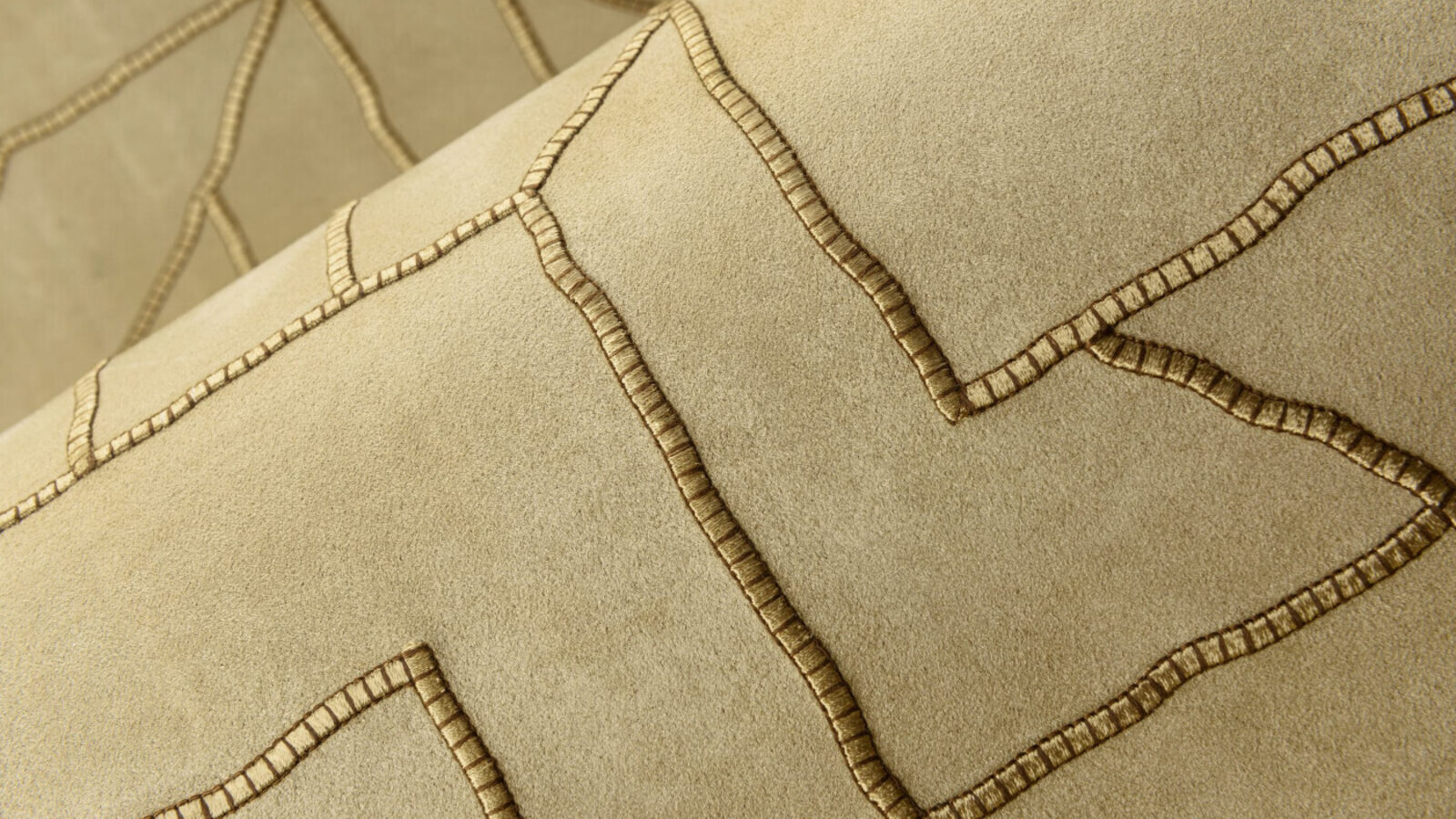
Three-dimensional wallcoverings add physical depth as well as pattern and colour, using raised surfaces, sculpted materials, embossed finishes or specialist textile constructions to interact with light and shadow.
They sit within the wider world of textured wallpaper, which also includes tactile natural fibres, grasscloth, sisal, linen, velvet, flock, cork and other specialist surfaces. For designs where dimensional relief is the defining feature, explore our 3D wallpaper collection.
From subtle textile relief to sculptural surfaces and wood-panel effects, this guide looks at how luxury 3D wallcoverings are made, where they work and what to consider before ordering samples or planning installation.


What Makes a Wallcovering Three-Dimensional?
A three-dimensional wallcovering has a surface with discernible physical relief rather than relying on printed pattern alone. The effect can be created through embossing, thermoforming, layered paper, sculpted textile techniques or applied materials, producing surfaces that interact with light and shadow as you move around the room.
Not every textured wallpaper is three-dimensional. Grasscloth, sisal, raffia, linen and other woven wallcoverings can have pronounced tactile character without having a deeply raised surface. By contrast, designs within our 3D wallpaper collection use relief, structure or dimensional construction as a defining part of the design.
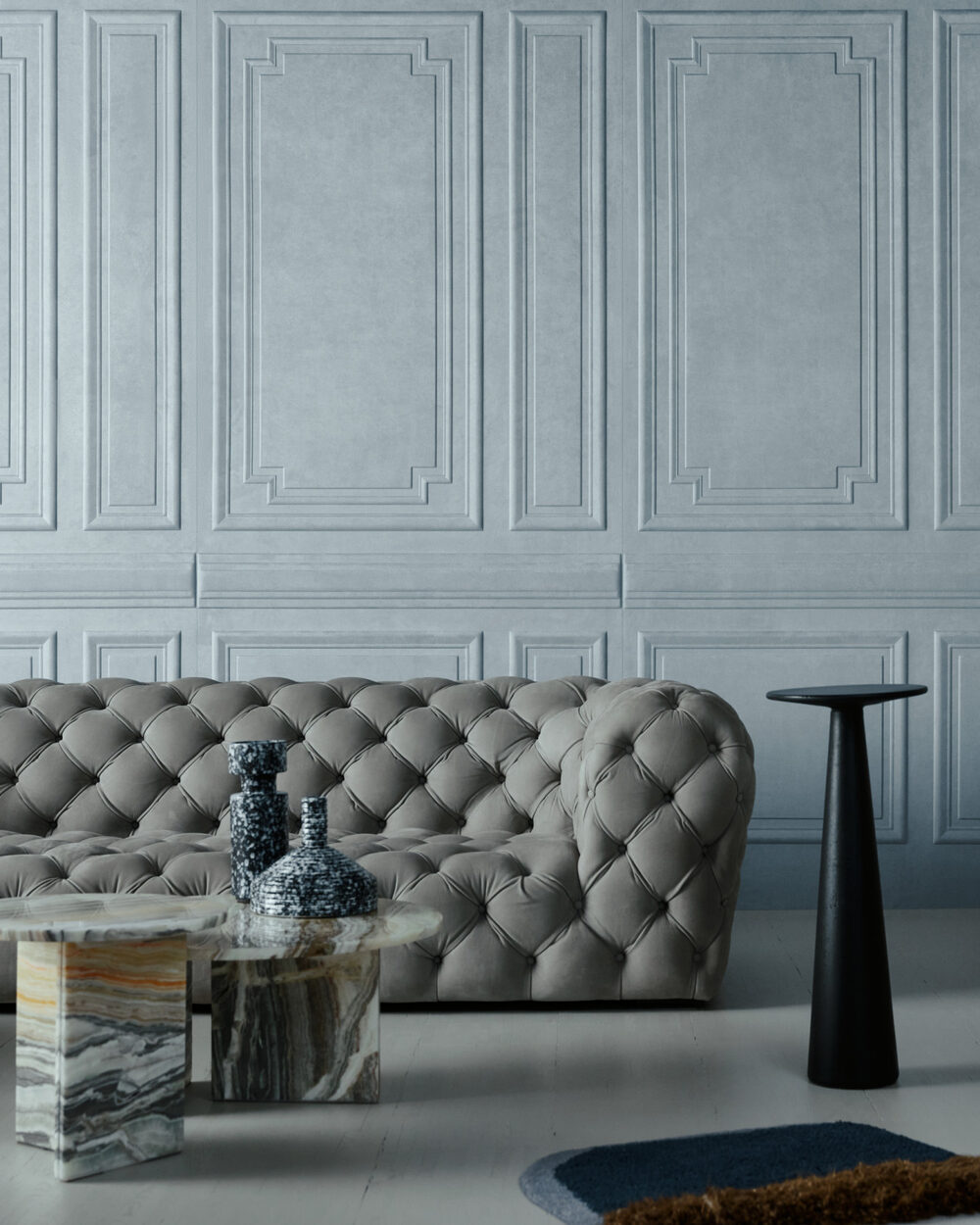
The degree of relief varies considerably. Some designs use subtle embossing or softly raised textile surfaces, while others are much more sculptural. Specialist options include folded and thermoformed textiles, deeply embossed wallcoverings and 3D wood panel wallpaper that creates the appearance and depth of decorative panelling without installing conventional timber panels.

Several specialist wallcovering houses have developed particularly strong collections in this area. Arte is known for experimenting with sculptural surfaces, textile constructions and relief, while Phillip Jeffries combines natural fibres, handcrafted finishes and dimensional effects across many of its wallcoverings. Élitis frequently explores bold textile-inspired and tactile surfaces, while Casamance offers more understated woven, embossed and softly textured designs alongside stronger statement pieces.


Why Use It?
Texture changes the way a wall responds to its surroundings. Raised, woven and sculptural surfaces catch light differently throughout the day, creating subtle changes in shadow, colour and depth that a flat printed design cannot achieve in quite the same way.
The effect does not need to be dramatic. A softly embossed or textile-faced wallcovering can introduce warmth and material character without adding a strong pattern, while a deeper relief or more sculptural design can turn the wall into a focal point. This makes textured surfaces particularly useful where an interior needs interest without additional furniture, artwork or decorative clutter.
Where Does 3D Wallpaper Work Best?
Three-dimensional wallcoverings can work across an entire room or as a more concentrated feature; the right approach depends on the scale of the design, the amount of relief and the other materials in the scheme. Subtle textile and embossed surfaces can be quiet enough to use widely, while stronger sculptural designs often work particularly well where they can become a focal point.


Here are a few spots where it tends to shine:
Bedrooms: a textured or dimensional wall behind the bed can introduce depth without requiring a heavily patterned design. Softer textile effects, natural fibres and gently sculpted surfaces can work particularly well in this setting. Browse our bedroom wallpaper collection for further inspiration.
Entrance halls and hallways: these spaces are well suited to wallcoverings with material character because changing natural and artificial light can emphasise relief, weave and surface detail as you move through the space. In narrower areas, a restrained texture can add interest without relying on a large-scale pattern.
Living spaces: dimensional wallpaper can be used to define a chimney breast, alcove, dining area or other architectural feature, but it does not have to be restricted to a single wall. More understated textured designs can work across several walls where the aim is to add warmth and depth rather than create an obvious statement.
Home offices: linen effects, natural weaves and softly embossed surfaces can provide visual interest behind a desk or shelving without introducing a distracting pattern. The texture becomes more noticeable as the light changes through the day.
Kitchens, bathrooms and other demanding spaces: suitability depends on the exact wallcovering. Do not assume that a textured, vinyl or specialist surface is suitable for areas exposed to high humidity, splashes or frequent cleaning. Check the manufacturer's specification for the individual product, including its backing, washability and recommended installation environment, before ordering.
If you are unsure whether a particular design is appropriate for your room, check the product specification or contact TM Interiors before ordering. Specialist wallcoverings can vary considerably in construction and performance even when their appearance is similar.
Choosing the Right 3D Wallcovering
Three-dimensional wallcoverings do not have to be bold or highly sculptural. Some of the most versatile designs use shallow embossing, woven surfaces or gentle relief that becomes more noticeable as light moves across the wall. If you want a quieter effect, explore designs with subtle structure and restrained colour; for a stronger statement, look for deeper relief, layered constructions or more pronounced geometric forms within our 3D wallpaper collection.


A few options to consider:
Natural and woven surfaces: grasscloth, raffia, sisal and linen introduce texture through the material itself rather than through a printed effect. These surfaces can bring warmth and visible fibre variation to an interior. Explore our grasscloth wallpaper and linen wallpaper collections for related natural and textile finishes.
Embossed and geometric relief: raised patterns can range from fine micro-embossing to much deeper sculptural forms. Geometric designs are particularly effective because changes in light emphasise their edges, shadows and dimensional structure. Browse embossed wallpaper for a wider selection of raised surfaces.
Textile and soft-touch finishes: velvet, flock, suede-like surfaces and other textile constructions can create a softer kind of depth. Rather than relying on pronounced relief, these wallcoverings use pile, weave and changes in sheen to give the surface its character. The wider textured wallpaper collection includes these tactile finishes alongside natural and dimensional wallcoverings.
Metallic and light-reflective details: metallic elements can emphasise a textured surface by catching light across raised areas, but a metallic finish alone does not necessarily make a wallpaper three-dimensional. Look for designs where relief, embossing or applied materials work together with the reflective finish.
Wood, stone and other material effects: some dimensional wallcoverings use embossing, layering or specialist constructions to create the physical character of timber, stone, plaster or architectural panels. Where genuine surface relief is important, distinguish these from flat printed wallpapers that simply reproduce the appearance of a material. For a more architectural effect, explore our 3D wood panel wallpaper.
Before making a final choice, we recommend ordering a sample where available. Relief, weave, pile, natural fibre variation and sheen can be difficult to judge accurately from a screen, and the appearance of a textured surface can change considerably between daylight and artificial light. Visit our Wallpaper Sample Service for more information about ordering samples.
Combining 3D Wallpaper with Other Materials
One of the strengths of a textured or three-dimensional wallcovering is the way it can introduce another material layer into an interior. A woven or softly raised surface can temper harder finishes such as stone, glass and metal, while a more architectural relief can sit comfortably alongside timber, plaster and other strongly defined materials.<p> The key is usually balance rather than trying to match every surface. A pronounced 3D wallcovering can become the room's main textural feature alongside simpler upholstery and joinery, while a quieter textile or natural finish can add depth to a scheme that already contains patterned fabrics, veined stone or decorative furniture.
Wood and panel-inspired designs are particularly useful where you want architectural character without conventional timber panelling. Explore our 3D wood panel wallpaper collection for dimensional interpretations of carved, slatted and panelled surfaces, or browse the wider textured wallpaper collection for natural fibres, textiles and other tactile finishes.


What to Know Before Installing 3D Wallpaper
Installation requirements vary considerably between three-dimensional wallcoverings. Some embossed non-woven designs can be installed using familiar paste-the-wall methods, while heavier textile constructions, wide-width products and specialist applied surfaces may require different adhesives, cutting techniques or handling. Always check the hanging instructions supplied for the exact wallcovering before cutting or applying adhesive. Confirm the product reference, batch, hanging direction, pattern repeat and recommended adhesive, and make sure the wall has been prepared to the standard specified by the manufacturer.
Natural and handcrafted wallcoverings can also behave differently from conventional printed papers. Visible joins, fibre variation and changes in tone may be inherent to materials such as grasscloth and other natural weaves rather than something that should be expected to disappear during installation.
For detailed installation advice, read our How to Hang 3D Wallpaper Guide, or watch the 3D Wallpaper Video Guide based on Arte's installation demonstration.
Source video via Arte International. For more detail, see our Wallpaper Guide.
Caring for 3D and Textured Wallcoverings
Care requirements depend on the face material, backing and construction of the individual wallcovering. Some embossed and vinyl surfaces are designed to be washable, while natural fibres, textiles, flock, velvet and specialist applied materials can require much gentler treatment.
Avoid assuming that two wallcoverings with a similar appearance can be cleaned in the same way. Water, rubbing or unsuitable cleaning products can permanently alter delicate fibres, surface finishes or colour. Always follow the manufacturer's cleaning and maintenance instructions for the exact product you have selected.
Where light dusting is permitted, use a method appropriate to the material and avoid unnecessary pressure on raised or delicate surfaces. If a mark needs attention, refer to the manufacturer's guidance before attempting to clean it and test any approved method in an inconspicuous area first.
Always refer to the manufacturer’s specific guidance for cleaning specialist wallcoverings.
Choosing a Luxury 3D or Textured Wallcovering
The appeal of three-dimensional wallcoverings lies in the way their surface becomes part of the interior. Relief, weave, pile and applied materials respond to changing light and viewing angles, giving the wall a physical quality that cannot be reproduced by colour or printed pattern alone.
The effect can be subtle or architectural. Textile relief, linen and softly embossed surfaces can introduce quiet depth, while sculptural designs, wood-panel effects and deeply dimensional finishes can make the wall a defining feature of the room. The right choice depends on the atmosphere you want to create, the material characteristics of the wallcovering and the practical requirements of the space.
Because surface character is particularly difficult to judge on screen, order a sample where available and check the individual product specification before making a final decision. Width, repeat, backing, natural variation, cleaning requirements and installation methods can differ considerably between specialist wallcoverings.
Explore our wider Textured Wallpaper collection for grasscloth, sisal, linen, velvet, flock, embossed surfaces, cork, wood veneer and other tactile finishes, or browse our dedicated 3D Wallpaper collection for designs where dimensional relief is the defining feature.
For help with samples, quantities or product specifications, visit our Wallpaper Sample Service or contact TM Interiors for further advice.
