


Black Wallpaper
Explore designer black wallpaper from true black and inky midnight tones to charcoal, graphite and monochrome pattern. The collection brings together natural textures, botanical prints, animal markings, murals and sculptural finishes for rooms that feel considered rather than simply dark.
Black changes with surface and contrast. Woven fibres soften the colour, matt papers create graphic clarity, and metallic or raised details catch the light. Samples are available across many designs so you can compare the true depth, scale and finish in your own room.

Get A Quote





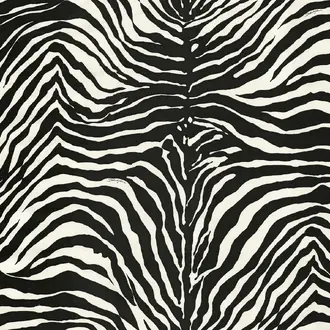


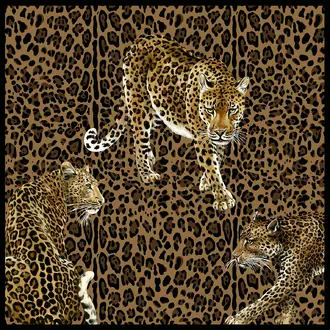
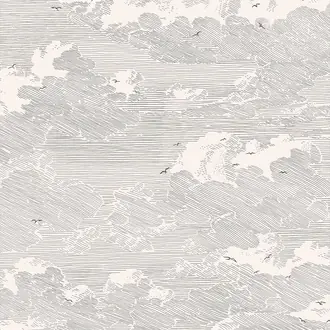
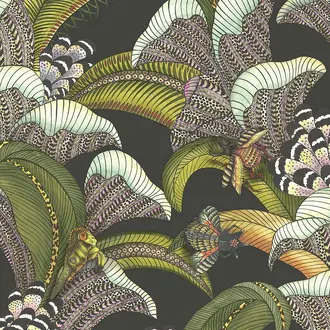
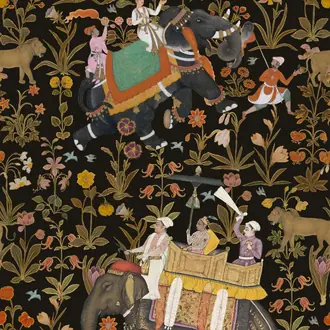


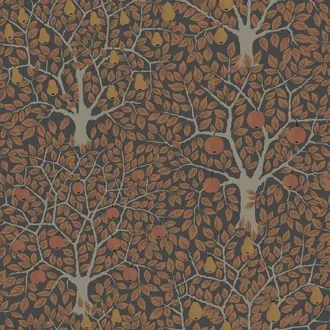

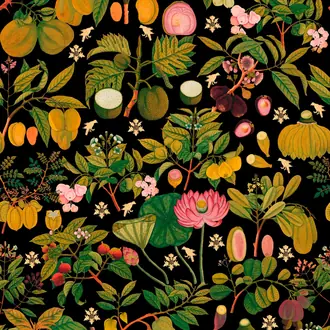
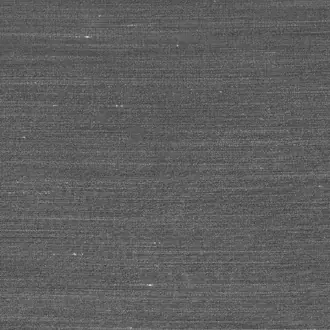



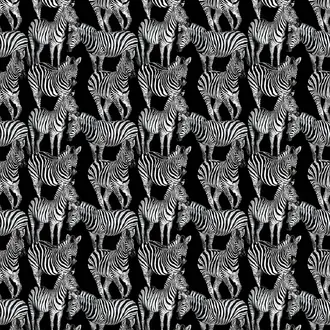
Depth created by undertone, texture and contrast
Black Wallpaper Beyond a Flat Dark Colour
Black wallpaper can feel crisp, cocooning or richly material. True black gives the strongest definition; charcoal and graphite are softer; ink and midnight introduce cool undertones that emerge as the light changes.
Surface is equally important. Grasscloth and paperweave break the colour into fine highlights, matt prints hold a clean silhouette, and relief or metallic detail brings controlled reflection to darker walls.
True black and ink
Dense, graphic shades create a clear architectural statement and sharpen pale furniture, artwork and joinery.
Charcoal and graphite
Softer dark neutrals retain atmosphere while revealing more detail across texture and large-scale pattern.
Black with contrast
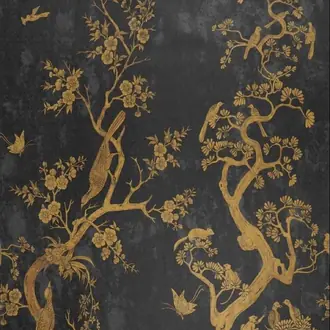
White, gold, timber and muted colour make motifs legible and determine whether the result feels modern or decorative.

Dark colour with material warmth
Natural and Textured Black Wallcoverings
Grasscloth, sisal, paperweave and textile effects prevent black from appearing completely flat. Fibres catch light differently across the wall, revealing brown, blue or graphite undertones and giving the surface a warmer, more tactile character.
Natural materials may show panel variation, visible joins and tonal movement. These characteristics are normally part of the intended finish and can make a dark wall feel less uniform.
Pair tactile black with oak, walnut, linen, leather or stone. The contrast between dark surface and natural material creates depth without depending on bright accent colour.

Graphic light and dark
Black and White Patterned Wallpaper
Black and white wallpaper uses contrast to make line, repeat and scale immediately visible. Geometric motifs feel precise, while animal markings and hand-drawn designs introduce a less formal rhythm.
A balanced monochrome pattern can keep a room bright because the white ground returns light. Designs with a predominantly black ground are more enveloping and place greater emphasis on the motif.
Repeat one colour elsewhere in the room rather than matching every element. Black frames or lighting and warm white paint are often enough to connect the scheme.

Decorative pattern on a dark ground
Black Floral and Botanical Wallpaper
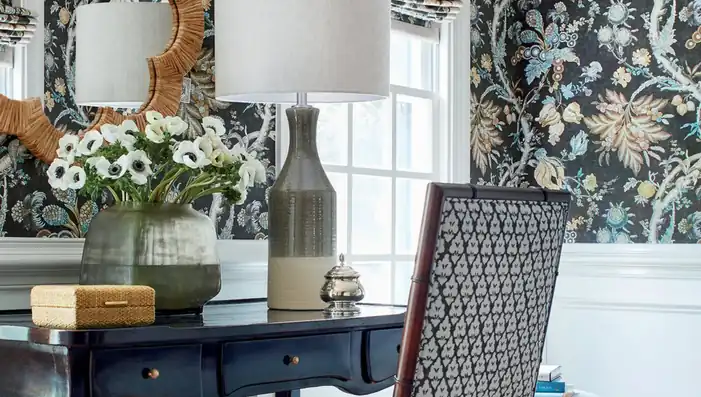
A black ground gives flowers, leaves and trailing forms greater definition. Pale blossoms feel luminous, while ochre, blue and green details gain richness against the darker field.
Large botanical repeats suit clear wall areas where the full composition can be read. Smaller, denser designs adapt more readily around windows, shelving and architectural details.
For a balanced room, lift one secondary colour from the design into upholstery or accessories and keep remaining surfaces quiet. Panelling below the wallpaper can also reduce the overall visual weight.

Dark tone at architectural scale
Black Murals and Panoramic Wallpaper
A black mural creates atmosphere through composition as well as colour. Timber grain, landscape, abstract marks and oversized botanical imagery can turn a complete wall into an architectural feature.
Plan the crop around doors, windows, fireplaces and principal furniture. The darkest or most detailed area should remain visible once the room is furnished.
Warm wood, pale upholstery and layered lighting help a dark panorama feel integrated. In bedrooms and dining rooms, the result can be intentionally cocooning rather than visually smaller.

Relief, lustre and controlled reflection
Luxury Black Wallpaper and Sculptural Finishes
Embossing, pleated paper, cork, foil and metallic ink reveal black through changing light. Fine bronze, silver or gold detail can outline the construction without overwhelming the dark base.
These finishes are especially effective under wall lights and directional lamps. A sample should be viewed vertically because relief and reflection behave differently on a table than they do on the wall.
Specialist substrates may require particular adhesives, careful roll sequencing or experienced installation. Follow the manufacturer's instructions for the chosen design.
Designing with a dark palette
Balance Depth, Light and Material
Black is most successful when its undertone, finish and surrounding materials are considered together. The aim is not always to maximise brightness, but to create enough contrast and texture for the room to remain legible.
Read the undertone
Some blacks lean warm brown, others blue or green. Compare the sample with flooring, timber, paint and textiles in the room.
Plan the lighting
Wall lights reveal texture, lamps create warmer pools of light, and pale ceilings retain definition around a darker wall treatment.
Control the contrast
White feels graphic; cream and timber soften the effect; metallic accents add reflected detail. Repeat contrast deliberately rather than everywhere.

Samples and selection
See the True Black and Surface at Home
Black may reveal charcoal, brown, blue or green undertones when placed beside other materials. Screens also flatten fibre, relief and differences between matt and reflective finishes.
View samples vertically in daylight and artificial light, beside paint, flooring and furniture. For large repeats and murals, use the sample to judge colour and material, then refer to the full image and technical details for scale and composition.
Continue browsing
Related Designer Wallpaper
Frequently asked questions
Black Wallpaper FAQs
Does black wallpaper make a room feel smaller?
It can make boundaries feel closer, but that can create welcome intimacy in bedrooms, dining rooms and snug living spaces. Lighter ceilings, reflective details and layered lighting preserve definition.
Can black wallpaper be used on every wall?
Yes. Textured plains, small repeats and balanced monochrome designs can work throughout a room. Dense true black and very large patterns create a more enveloping result, so consider the intended atmosphere as well as room size.
What colours work with black wallpaper?
Warm white and cream soften black; grey creates a tonal scheme; timber and natural fibres add warmth. Green, blue, ochre, rust and blush can be taken from a pattern, while brass and silver add controlled reflection.
What is the difference between black and charcoal wallpaper?
True black gives the deepest, clearest contrast. Charcoal is a softer dark grey and usually reveals more surface detail. Ink and midnight black may carry blue undertones, while some woven blacks read warmer and browner.
Is black and white wallpaper too bold for a small room?
Not necessarily. A small repeat or design with a generous white ground can remain lively and bright. Stronger patterns can be effective in cloakrooms and compact spaces where a deliberate decorative statement is welcome.
Why should I order a black wallpaper sample?
A sample reveals undertone, texture, reflectivity and print scale. It also shows whether the design remains legible in the room's actual daylight and evening lighting.
Do natural black wallcoverings vary between lengths?
Natural fibres and handcrafted surfaces may show tonal movement, visible joins and panel variation. These effects are generally part of the material's character rather than manufacturing faults.
Do specialist black wallcoverings need professional installation?
Many natural, textured, metallic and panelled wallcoverings benefit from an experienced installer. Follow the manufacturer's wall preparation, adhesive, roll-sequence and hanging instructions for the specific substrate.