























































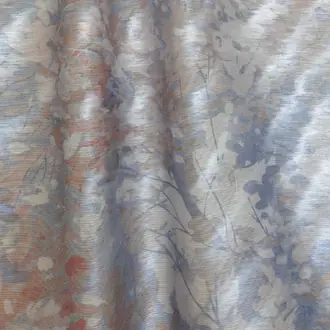







A weave, not a fibre
Satin can be woven from silk, cotton, wool, viscose, synthetic fibres or blends. Composition remains essential when comparing its appearance and performance.

No products matched “”.
No matches for “”.
 1722 reviews
Explore designer satin fabric for curtains, Roman blinds, cushions and selected upholstery. The collection includes fluid silk satins, crisp cotton qualities, understated wool satins and contemporary blended constructions in colours ranging from quiet neutrals to rich decorative shades.
Satin describes the way a fabric is woven rather than one particular fibre. Its smooth face reflects light to create anything from a subtle glow to a more pronounced lustre, while composition, weight and construction determine its drape, durability and recommended use. Check the individual specification and order a sample before purchasing.
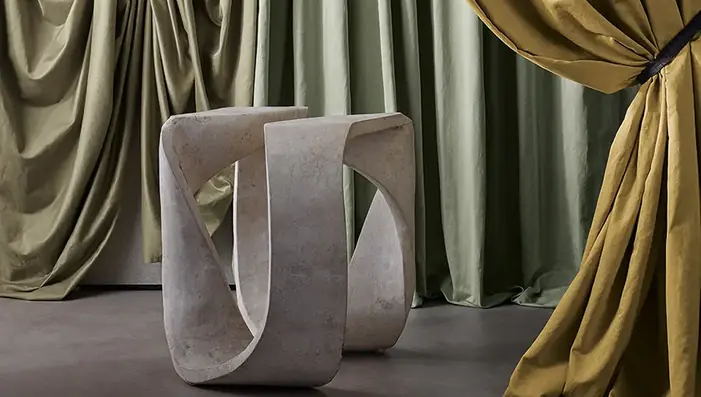

Construction, lustre and drape
Satin is defined by its weave rather than by one particular fibre. In a satin weave, yarns pass over several opposing yarns before interlacing, creating comparatively long floats across the face of the cloth. This produces the smooth surface and distinctive response to light for which satin is known.
Although silk satin is perhaps the most familiar, satin may also be woven from cotton, wool, viscose, polyester, acetate or carefully balanced blends. The resulting fabrics can range from fluid and highly lustrous to substantial, softly reflective and suitable for more practical furnishing applications.
Satin can be woven from silk, cotton, wool, viscose, synthetic fibres or blends. Composition remains essential when comparing its appearance and performance.
The smoother face reflects light differently as the fabric folds or changes direction, producing tonal movement rather than a completely flat colour.
Some satins are intended for curtains and decoration, while others are engineered for blinds or upholstery. Always follow the individual specification.

From a quiet glow to polished shine
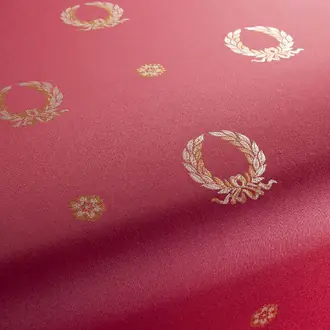
The longer yarn floats on the face of a satin weave create a smoother surface with fewer visible intersections. Light travels across this surface to produce the fabric’s characteristic lustre, although the strength of that effect varies considerably.
Fine silk and viscose-rich satins can appear fluid and highly reflective. Cotton or wool satin may have a quieter, more architectural finish, while contemporary blended qualities can balance sheen with stability and practical performance.
Colour can change noticeably according to the direction of the fabric and the light falling across it. View a sample both vertically and flat, and check it in the room during daylight and artificial light.

Fluid folds and changing light
Satin is particularly effective at a window because its appearance changes through every fold. Softly reflective surfaces introduce depth without requiring pattern, while the fabric’s drape can create an elegant, tailored or more fluid effect depending on its weight and composition.
Before choosing satin curtain fabric, check its usable width, weight, opacity, care instructions and recommended use. Fine qualities may benefit from lining or interlining to support the finished curtain and protect the face fabric, although the correct treatment depends on the individual product.
Satin may show creasing, pressure or handling marks more readily than heavily textured cloth. Your curtain maker should therefore understand the chosen fabric before calculating quantities and construction.

Chairs, headboards and decorative seating
Selected satins can be used for upholstery, bringing a smooth surface and exceptional colour depth to chairs, headboards, benches and other decorative furniture. Satin also works well for cushions, piping and carefully considered contrast details.
However, a fabric’s appearance alone does not establish its suitability. Lightweight decorative or silk satins may not withstand regular abrasion, while specialist wool, cotton and performance satins can be constructed for more demanding applications.
Confirm that upholstery is included in the manufacturer’s recommended use and review the relevant abrasion result, composition, care guidance and any applicable fire requirements. Relate the specification to the furniture and expected level of wear.

Silk, cotton, wool and blended qualities
Silk describes a fibre, whereas satin describes a weave. Silk satin combines the natural character of silk with a satin construction, but many beautiful furnishing satins contain no silk at all.
Cotton satin can offer a softer sheen and comparatively crisp handle. Wool satin may feel substantial and refined, with restrained lustre and useful furnishing performance. Viscose can create fluidity and shine, while polyester and blended constructions may improve stability, durability or care characteristics.
Composition alone does not predict every quality of the finished cloth. Compare the actual handle, weight, finish and recommended use rather than assuming that all satins will behave in the same way.

Cushions, borders and decorative details
Satin need not cover the largest surface in a room. Cushions, bolsters, borders and piping can introduce its reflective character in a controlled way, especially when combined with quieter linen, wool, velvet or matt woven surfaces.
Plain satin can strengthen an existing colour scheme by adding depth rather than another pattern. A contrast border can define a curtain or cushion, while carefully placed piping can emphasise the outline of upholstered furniture.
Because surface marks, seams and changes of direction may be more visible on satin, discuss construction and placement with your maker before cutting the fabric.

Suitability, handling and sampling
A satin Roman blind can create a clean, tailored finish with subtle movement across its horizontal folds. The chosen cloth must fold reliably and be recommended for the application; very fluid or delicate satins may require specialist advice from the maker.
Before ordering, review the product’s composition, width, weight, recommended use and care information. For patterned satin, also consider repeat, direction and placement. Any treatment, backing or fire-performance requirement should be confirmed for the exact fabric rather than assumed from its general description.
Order a sample to judge the true colour and level of sheen in your room. Move it through different directions and place it alongside paint, flooring and neighbouring fabrics before making the final selection.
Continue browsing
Frequently asked questions
Satin is fabric made using a weave structure that creates comparatively long yarn floats across its face. This gives the cloth a smooth surface and characteristic response to light. Satin describes the construction rather than one specific fibre.
No. Satin can be woven from silk, cotton, wool, viscose, polyester, acetate and blended yarns. Silk is a fibre, while satin is a type of weave.
Silk is a natural fibre. Satin is a weaving method that produces a smooth, often lustrous face. A fabric can therefore be silk satin, but satin can also be made from many other fibres.
Many satins are designed for curtains and can create elegant folds with changing levels of reflected light. Check the precise product’s recommended use, weight, width, opacity and care information before ordering.
Selected satin fabrics are suitable for upholstery, but many lighter decorative qualities are not. Confirm upholstery suitability and review durability, care and any fire-performance requirements for the exact product.
Some satins can be used for Roman blinds, provided they fold cleanly and are recommended for the application. Discuss delicate, fluid or easily marked qualities with the blind maker before ordering.
Some satins show creasing, water marks, pressure or handling more readily than textured fabrics. The extent varies according to fibre, construction and finish, so consult the individual care guidance and assess a sample.
A sample lets you assess the true colour, sheen, weight, texture and drape. Satin can look significantly different as its direction and lighting change, making physical sampling especially valuable.
Prices and taxes are calculated based on your country.
Some items may not be available for delivery to every country — we will tell you at the basket or checkout if anything cannot be sent.
Necessary cookies enable core functionality such as page navigation, your shopping basket and secure checkout. The site cannot work properly without them.
| Cookie | Provider | Duration |
|---|---|---|
| __cf_bm | Cloudflare | 30 minutes |
| cf_clearance | Cloudflare | Varies |
| ect_consent | First party | 180 days |
| ectcartcookie | First party | Session |
| ecthash | First party | Session |
| ectordid | First party | Session |
| ectsessid | First party | Session |
| PHPSESSID | First party | Session |
Preference cookies let the site remember choices you make (such as your region or recently viewed items) for a more personal experience.
| Cookie | Provider | Duration |
|---|---|---|
| ect_country_popup_shown | First party | 1 day |
| WRITECLL | First party | Persistent |
| WRITECLP | First party | Persistent |
Statistics cookies help us understand how visitors use the site by collecting and reporting information anonymously.
| Cookie | Provider | Duration |
|---|---|---|
| _ga | Google Analytics | 2 years |
| _ga_ | Google Analytics | 2 years |
| _hj | Hotjar (via Google Tag Manager) | 30 minutes - 1 year |
| fs_uid | FullStory (via Google Tag Manager) | 1 year |
Marketing cookies track visitors across sites to display relevant ads and measure campaign performance.
| Cookie | Provider | Duration |
|---|---|---|
| __kla_id | Klaviyo | 2 years |
| _gcl_ | Google Ads (via Google Tag Manager) | 90 days |
| id1 | First party | ~6 months |
| id2 | First party | ~6 months |
| IDE | Google DoubleClick (third-party, doubleclick.net) | 13 months |
| PARTNER | First party | Persistent |