


Red Wallpaper
Red wallpaper exudes energy, passion, and warmth, making it an ideal choice for creating vibrant, stimulating interiors. This bold colour works well in feature walls and can be paired with gold, cream, or white to balance its intensity. Red wallpapers are available in a variety of tones, from bright tomato reds to deep burgundies, allowing you to choose the perfect shade for your space. Whether you're looking for a dramatic statement wall or a warm, welcoming atmosphere, red wallpaper can transform any room into a dynamic, lively environment. Explore our range of red wallpapers to find the right tone for your home.
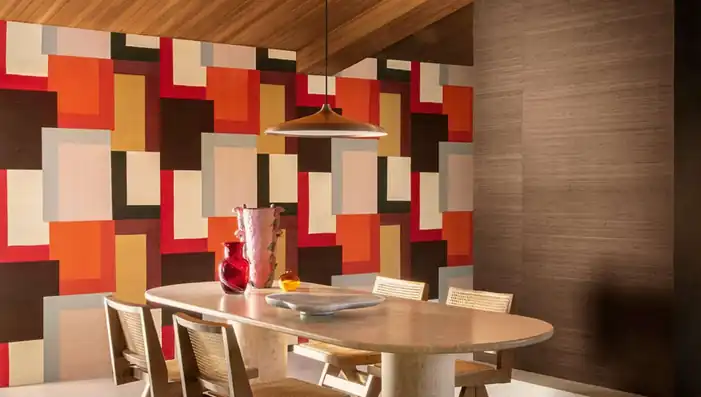

Get A Quote

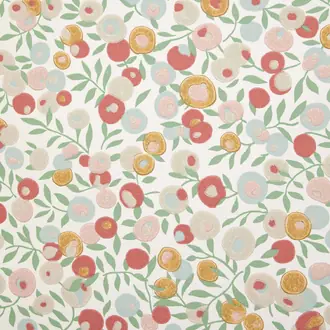
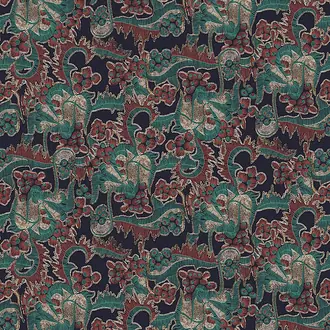
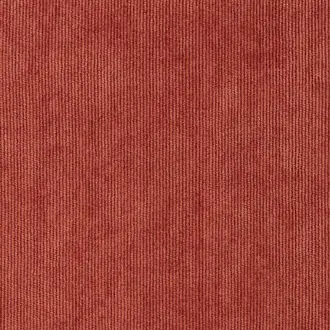

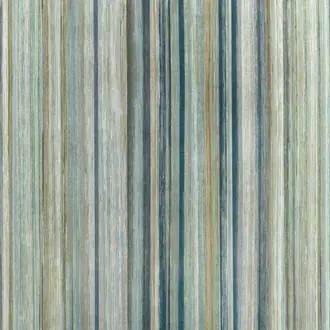

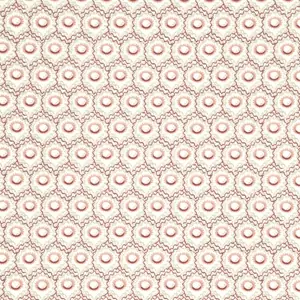
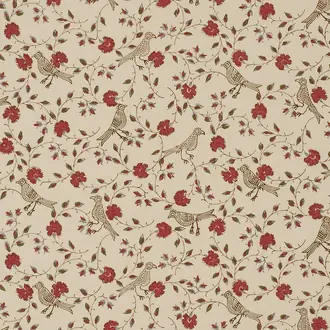
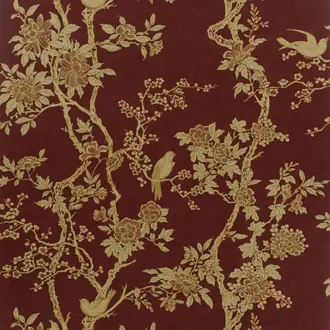
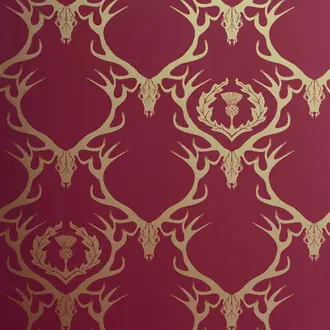
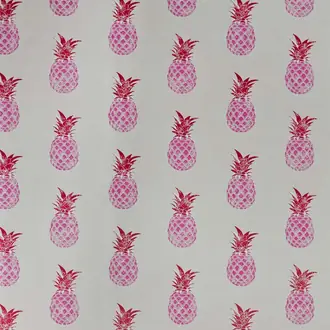

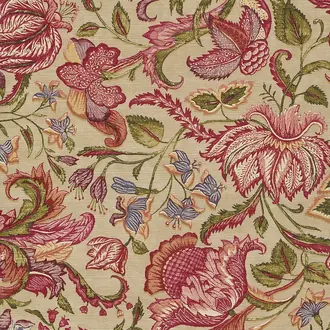
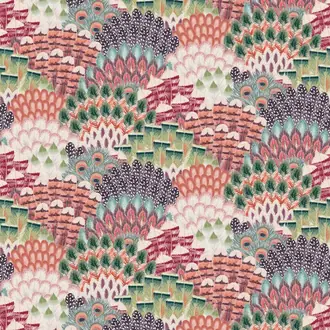
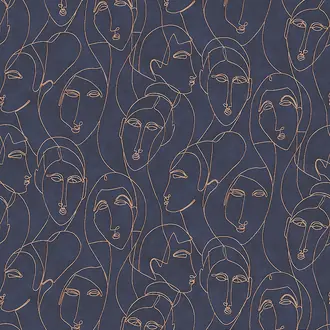
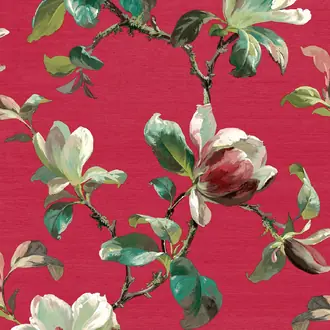
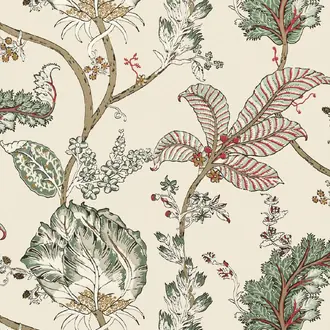
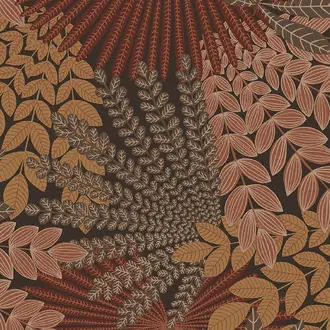
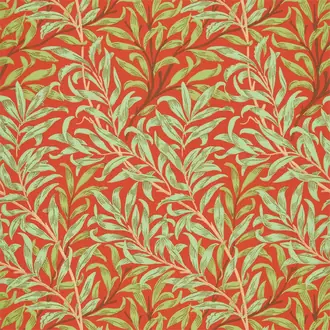
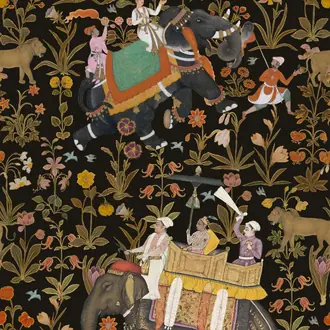
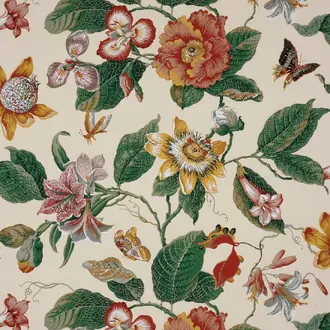
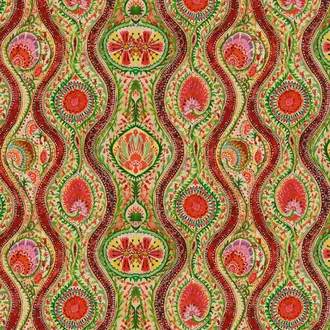
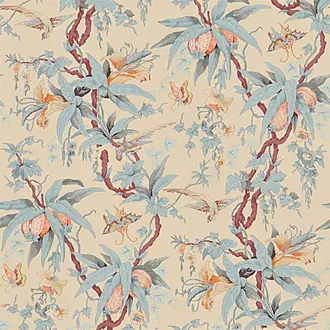

Warm colour, confident pattern and rich material
Red Wallpaper from Brick to Burgundy
Red wallpaper covers a varied family of shades rather than one uncompromising colour. Brick, clay and faded madder feel grounded; scarlet and crimson create clearer contrast; burgundy, wine and oxblood introduce greater depth.
Pattern and material change the result. A fine woven texture can allow red to behave almost like a warm neutral, while a mural, floral or damask makes it a more deliberate part of the room.
Brick, rust and warm red
Earthy reds draw on brown and orange undertones, making them easier to combine with timber, leather, linen and stone.
Crimson, scarlet and ruby
Clearer reds bring energy and definition, especially within geometric, striped and decorative patterned wallpaper.
Burgundy, wine and oxblood
Deep red shades create a quieter, enveloping mood and work well with walnut, antique brass, charcoal and warm neutrals.

Earthy and adaptable
Warm Red, Brick and Terracotta Wallpaper
Warm red wallpaper sits close to brick, clay and terracotta. Its brown or orange undertone softens the intensity associated with primary red, allowing it to work across larger areas and in rooms designed around natural materials.
Pair these shades with oak, walnut, aged leather, boucle and warm off-white. Black accents sharpen the scheme, while bronze and antique brass reinforce its warmth.
Fine textures and small repeats suit complete rooms. Larger motifs are most effective where enough wall remains visible to appreciate their scale.

Deep and enveloping
Burgundy and Dark Red Wallpaper
Burgundy wallpaper introduces purple, brown or blue undertones to red. Wine, claret, merlot and oxblood sit within this deeper part of the palette, although individual products vary considerably in warmth.
Dark red can create an intimate atmosphere in dining rooms, bedrooms, libraries and snug living spaces. It works especially well with walnut, dark oak, soft cream, muted pink and aged metallic finishes.
Use a sample to check whether the colour becomes warmer, cooler or almost brown in the intended light. View it vertically and at different times of day.

Colour within a composition
Red Floral and Botanical Wallpaper
Floral and botanical designs allow red to appear alongside green, blue, cream, black or metallic detail. This makes the colour easier to connect with upholstery, curtains, painted joinery and accessories elsewhere in the room.
A dark ground creates drama and can make red flowers appear more luminous. Pale grounds feel lighter and often suit bedrooms, sitting rooms and traditional interiors where the wallpaper should remain decorative rather than dominant.
Consider the repeat and where the principal flowers or leaves will sit around furniture, windows and architectural features before deciding between one wall and a complete room.

Structure and rhythm
Red Striped and Geometric Wallpaper
Stripes and geometrics give red a clear structure. A narrow stripe can feel tailored and traditional, while broad bands and large angular forms create a stronger architectural or contemporary effect.
Red and cream offers a softer contrast than red and white. Pairing red with charcoal, navy or brown produces a deeper result, while metallic linework can add definition without introducing another solid colour.
Check walls and corners before hanging strong linear patterns, as small variations in the room can be more visible than with an irregular motif.

Decorative heritage
Red Damask and Traditional Wallpaper
Red has a long association with damask, toile, chinoiserie and decorative heritage patterns. These designs can range from formal red-and-gold compositions to faded prints whose colour resembles aged pigment or woven textile.
Traditional pattern does not require an entirely period scheme. Used with simple furniture and restrained paintwork, a historic motif can become the most expressive element in an otherwise contemporary room.
For a balanced result, repeat one secondary shade from the wallpaper through fabric, paint or a small number of furnishings rather than matching every colour.
Building a considered scheme
Choose Undertone, Scale and Light Together
The right red depends on whether the room needs warmth, clarity or depth. Assess the wallpaper as part of the complete interior rather than treating colour separately from pattern and material.
Read the undertone
Brick and terracotta lean warm; burgundy may appear cooler or browner; coral and raspberry move towards orange or pink. Compare samples beside fixed finishes.
Consider the light
North-facing light can deepen red, while strong warm light increases its intensity. Check samples during the day and under the room's evening lighting.
Plan the visual weight
Dark grounds and large motifs feel enveloping. Pale grounds, broken textures and open patterns introduce red without making it the only colour in the room.

Samples and selection
See the True Red in Your Room
Red is particularly responsive to surrounding colour. Cream, grey, timber and artificial light can make the same design appear warmer, cooler, brighter or more muted than it looks on screen.
View samples vertically beside your flooring, paint, fabrics and furniture. Use the room image and product specifications to understand the complete repeat, especially when a small sample shows only part of a floral, toile, damask or mural.
Continue browsing
Related Designer Wallpaper
Frequently asked questions
Red Wallpaper FAQs
What colours work well with red wallpaper?
Warm white, cream, stone and natural timber soften red. Olive and forest green create an earthy contrast, while navy, charcoal and black produce a deeper scheme. Gold, bronze and antique brass complement warm and burgundy reds particularly well.
Can red wallpaper work across a whole room?
Yes. Muted brick, burgundy, small repeats and textured red wallcoverings can work across all four walls. A very bright red, strong contrast or large mural may be better used selectively, depending on the room size, light and intended atmosphere.
What is the difference between red and burgundy wallpaper?
Red is the broader colour family. Burgundy is a deeper shade that commonly contains brown, purple or blue undertones. Because manufacturers use shade names differently, compare physical samples rather than relying on the name alone.
Does red wallpaper make a room feel smaller?
Deep red and dark grounds can make a room feel more enclosed, but that may be desirable in dining rooms, bedrooms and snug living spaces. Open patterns, pale grounds and designs containing cream or neutral areas will feel lighter.
Which rooms suit red wallpaper?
Red wallpaper can work in living rooms, dining rooms, bedrooms, hallways and home offices. Brick and muted red provide warmth, burgundy creates intimacy, and patterned red designs can establish a clear focal point.
Are red floral and damask wallpapers only suitable for traditional interiors?
No. Their effect depends on scale, colour contrast and the furnishings around them. A heritage pattern paired with simple contemporary furniture can feel fresh, while a tonal damask can provide texture without creating a strongly period look.
Why should I order a red wallpaper sample?
Screens cannot reproduce colour and texture precisely. Red may lean towards orange, pink, purple or brown depending on the light and surrounding finishes. A sample helps you assess the actual shade, material and pattern scale.
Do textured or specialist red wallcoverings need professional installation?
Many grasscloth, textile, metallic, embossed and panelled wallcoverings benefit from an experienced installer. Always check the manufacturer's hanging instructions and prepare the wall for the particular substrate.