



Living Room Wallpaper
Transform the room where you relax, entertain and spend time together with designer living room wallpaper selected from leading international design houses. Explore expressive murals, florals and botanicals alongside geometric patterns, quiet neutrals and sophisticated textured wallcoverings.
Our collection brings together luxury papers, textile wallcoverings, grasscloth, raffia and handcrafted surfaces for both statement walls and complete-room schemes. Whether your interior is contemporary or traditional, use colour, pattern and material to give the living room a more distinctive and considered character.

Get A Quote
















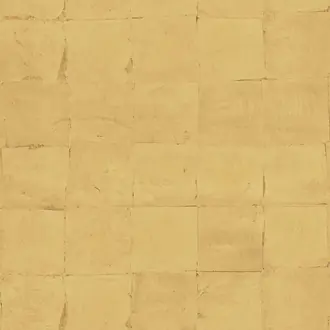

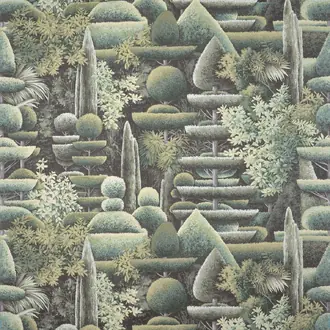

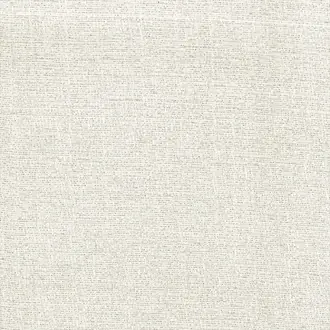











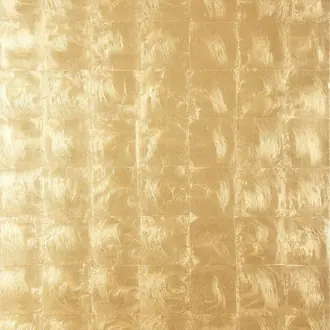


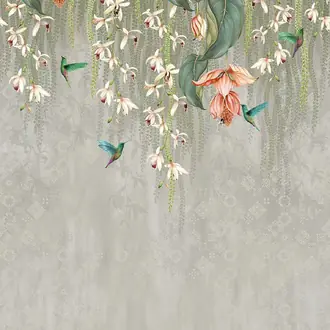



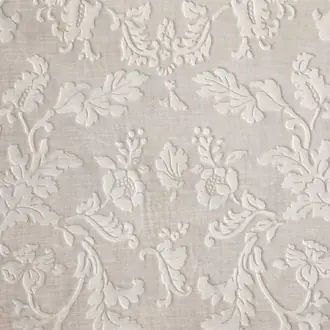


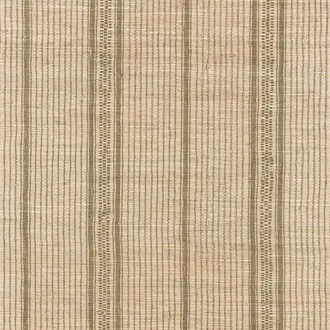


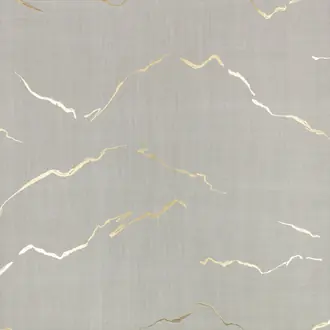


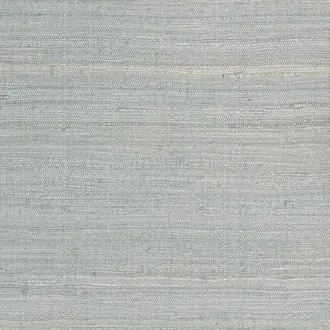


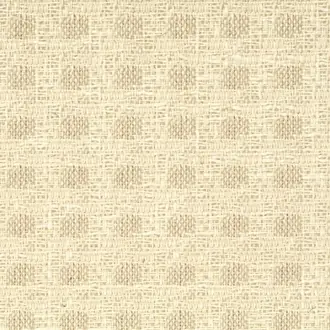


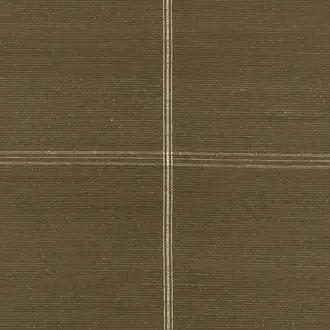


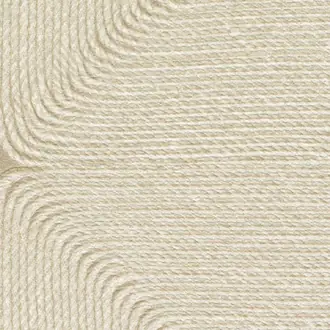


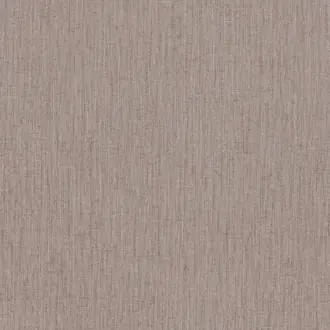
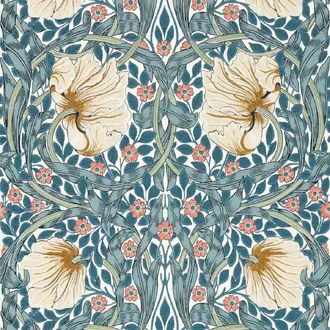


Pattern, texture and atmosphere
Choosing Wallpaper for Your Living Room
Living-room wallpaper can establish the character of the entire interior. It may provide a quiet background for furniture and artwork, introduce tactile depth across every wall or create a strong focal point through pattern and panoramic design.
Begin by deciding what you want the walls to contribute. Consider the architecture, natural light, principal furniture and the views between adjoining rooms before choosing the scale, colour and material.
Statement pattern
Large botanical, scenic and abstract designs can establish a focal point and give the room a distinct visual identity.
Refined texture
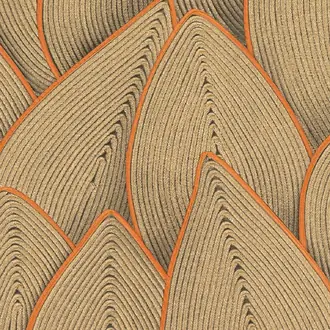
Grasscloth, textile and dimensional wallcoverings add depth and warmth without requiring a prominent repeating motif.
Complete-room schemes
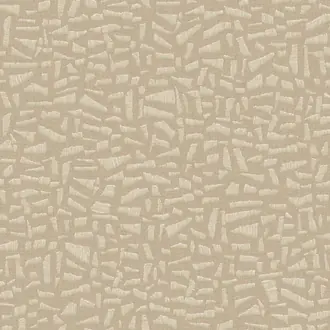
Smaller repeats, quiet patterns and tonal surfaces can connect several walls and create a more enveloping interior.

A focal point with presence
Statement and Mural Wallpaper
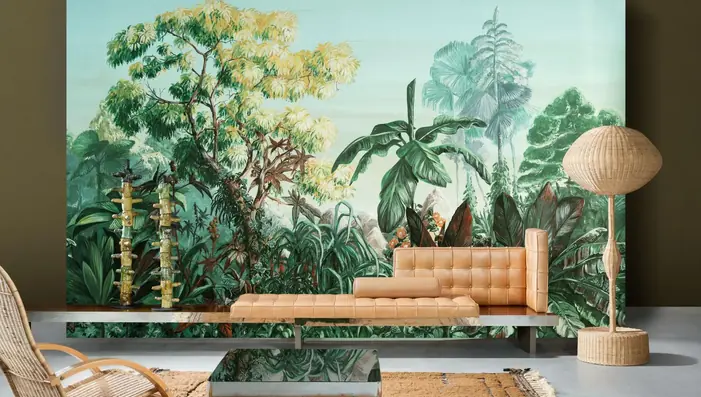
A panoramic or large-scale mural can turn an uninterrupted living-room wall into a complete composition. Scenic landscapes, painterly artwork and architectural designs work particularly well behind a sofa or across a wall visible from the entrance.
Plan the position of the principal features before ordering. Doors, windows, fireplaces, televisions and tall furniture can interrupt an important part of the image, so check the full design and finished dimensions rather than judging it from a small sample alone.
For rooms with several interrupted walls, a repeating botanical or abstract wallpaper may provide comparable impact with greater positioning flexibility.

Material, warmth and depth
Textured and Natural Living Room Wallpaper
Natural and textured wallcoverings bring another layer to a living room through their material rather than pattern alone. Grasscloth, raffia, paperweave, silk and textile surfaces interact with daylight and provide subtle variation across the wall.
These materials are particularly effective in interiors with timber, stone, wool, linen and other tactile finishes. A quiet woven surface can also soften the appearance of a large room without competing with artwork or strongly patterned upholstery.
Handcrafted and natural wallcoverings can display tonal movement, texture and visible panel joins. These are inherent characteristics rather than faults, so viewing a sample in the intended room is important.

Decorative pattern with lasting appeal
Floral and Botanical Living Room Wallpaper
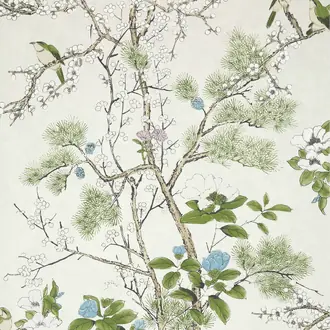
Floral and botanical designs can make a living room feel relaxed, expressive or richly decorative. The effect depends on scale and colour: a fine trailing pattern offers gentle movement, while oversized foliage or an immersive woodland design creates considerably more drama.
Look beyond the dominant colour and identify the secondary shades within the wallpaper. Repeating one or two of these tones in curtains, upholstery, cushions or painted joinery can help the room feel connected without becoming overly coordinated.
Traditional florals work naturally with period details, while enlarged and abstracted botanical designs can suit much more contemporary furniture.

Contemporary colour and movement
Modern and Abstract Living Room Wallpaper
Abstract wallpaper introduces colour and movement without tying the room to a recognisable floral or traditional motif. Painterly marks, geometric forms and softly layered surfaces can make the wall behave more like a piece of artwork.
Consider how the design will be viewed from the main seating position as well as from the doorway. Larger patterns are often most successful where there is sufficient distance to appreciate the complete composition.
A restrained geometric repeat can work throughout the room, while a highly expressive abstract design may be allowed to lead the scheme from one principal wall.

One wall or the complete room
Feature Walls and Full-Room Wallpaper
A feature wall works best when the architecture already establishes a natural focal point, such as a fireplace, chimney breast or uninterrupted wall behind the principal sofa. The wallpaper should strengthen that feature rather than appear to have been applied to an arbitrary wall.
Using wallpaper throughout the room creates a more complete and immersive result. Tonal patterns, natural textures and restrained repeats are particularly effective across several walls because they read as part of the architecture.
Pattern can also continue beyond the walls. Papering the backs of shelving, panels or selected architectural details can connect the feature wall with the rest of the room.
Planning the room
Consider Scale, Light and Architecture Together
The strongest living-room schemes treat wallpaper as part of the complete interior rather than an isolated decoration.
Judge the scale
Measure the uninterrupted wall and consider the normal viewing distance. Large designs need sufficient space for their composition to remain legible.
Test the light
Observe samples in daylight and evening light. Dark colours, metallic details and tactile surfaces can change considerably as the light moves.
Work with the architecture
Plan pattern placement around fireplaces, windows, doors, shelving and fixed joinery before calculating the final quantity.

Samples and specialist advice
See the Colour and Material in Your Room
A wallpaper sample helps you assess the true colour, texture and reflectivity alongside your flooring, furniture, curtains and paint. Move the sample around the room and view it at different times of day.
Small samples may not show the complete scale of a mural or large repeat. Use the sample to assess the material and palette, then review the complete room image, repeat information and panel dimensions before ordering.
Specialist natural, textile, panoramic and wide-width wallcoverings may require particular preparation or installation methods. Our team can help with product information, quantities and sample selection.
Continue browsing
Related Designer Wallpaper
Frequently asked questions
Living Room Wallpaper FAQs
What type of wallpaper is best for a living room?
There is no single best material for every living room. Printed wallpaper offers extensive decorative choice, while grasscloth, textile, silk and dimensional wallcoverings provide additional texture. Choose according to the desired effect, available light, condition of the wall and installation requirements.
Should I wallpaper every wall in my living room?
You can wallpaper every wall or create a feature wall. Tonal patterns, smaller repeats and textured surfaces often work well throughout a room. Murals and very large patterns may be better suited to a principal uninterrupted wall.
Which wall should be the feature wall?
Choose a wall that already provides a natural focal point, such as the wall behind the main sofa or a fireplace wall. Avoid selecting a wall simply because it is empty if another architectural feature naturally draws the eye.
Can dark wallpaper work in a living room?
Yes. Dark wallpaper can create depth and a more intimate atmosphere, especially when balanced with considered lighting, reflective details and lighter furnishings. Test a sample in both daylight and evening light before deciding.
How do I choose the scale of a wallpaper pattern?
Consider the dimensions of the uninterrupted wall and the distance from which the pattern will normally be viewed. Large patterns need room for the composition to develop, while smaller repeats may read as texture from across the room.
Can I use natural wallcovering in a living room?
Yes. Living rooms are particularly suitable for grasscloth, raffia, paperweave and other natural wallcoverings. Their tonal variation and visible panel joins form part of their handcrafted appearance.
Should living-room wallpaper match the curtains?
The wallpaper and curtains do not need to match exactly. A more considered scheme often repeats selected colours while varying the pattern scale or texture. Coordinating rather than matching allows each material to retain its character.
Should I order a wallpaper sample?
Yes. Screen images cannot reliably show undertone, texture, relief or reflectivity. View the sample vertically in the intended room and compare it with the flooring, furniture, fabrics and lighting before ordering.
Do luxury wallcoverings need professional installation?
Many natural, textile, metallic, wide-width and panoramic wallcoverings benefit from an experienced installer. Always check the manufacturer's hanging instructions and ensure the wall is correctly prepared for the particular material.