



Embroidered Wallpaper
Explore luxury embroidered wallpaper and textile wallcoverings where stitched thread, raised yarn and hand-finished detail become part of the surface. The collection ranges from restrained geometric embroidery and rhythmic linear designs to expressive botanical motifs, combining pattern with genuine material depth.
Embroidered wallcoverings may be worked onto raffia, sisal, linen, woven textile or other specialist grounds. Their relief, fibres and subtle variation cannot be judged fully on screen, so check each product's construction and order a sample before making a final selection.

Get A Quote

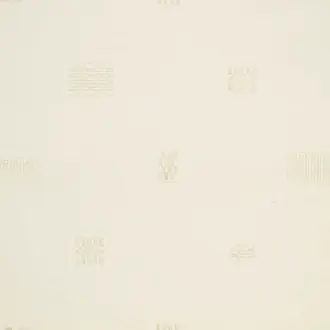
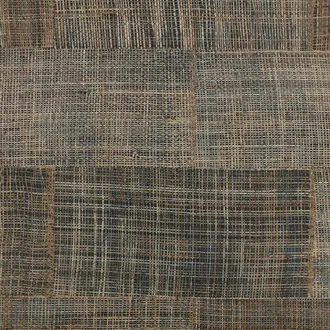
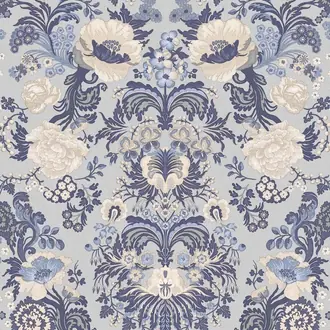
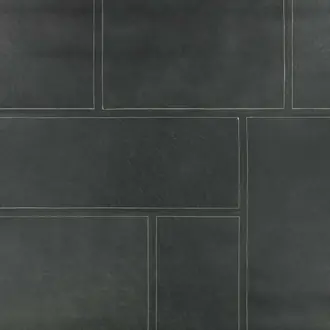
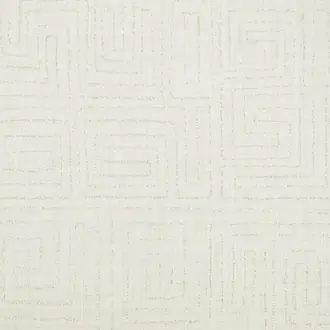
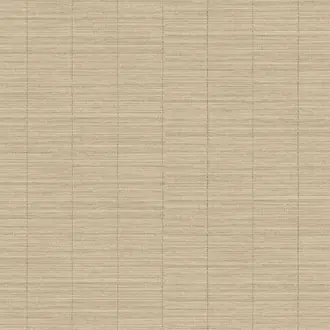
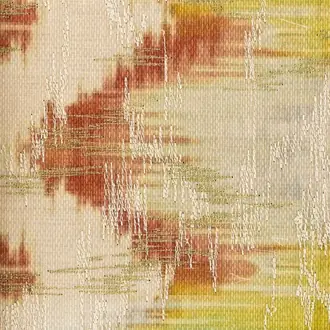
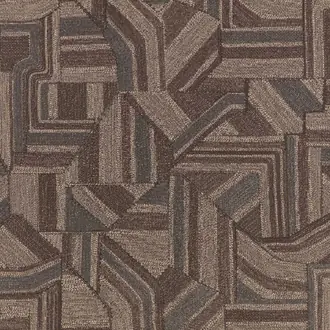
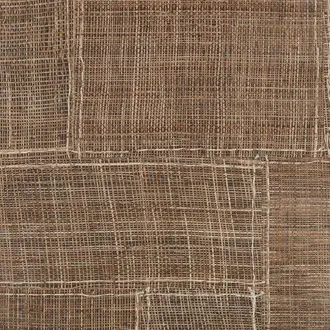
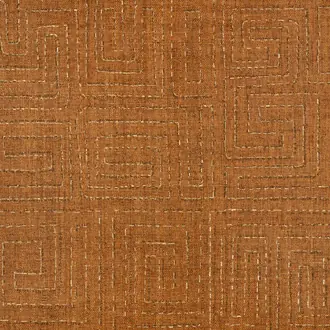
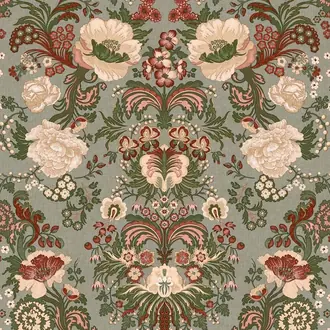
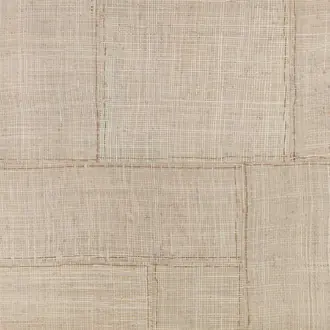
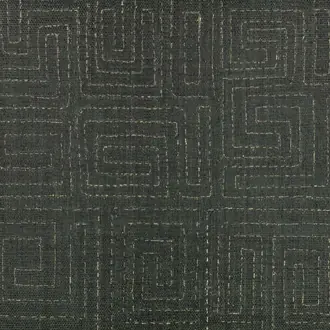
Stitched surfaces and textile craftsmanship
Embroidered Wallpaper with Genuine Material Depth
True embroidered wallcovering is constructed rather than simply printed to resemble stitchwork. Thread, yarn or decorative fibres are worked across a specialist ground, creating changes in relief, sheen and shadow that become visible as the light moves across the wall.
The embroidery may be precise and architectural, loose and organic, or richly pictorial. Understanding both the stitched design and its supporting material helps determine how formal, tactile or expressive the finished room will feel.
Genuine stitched detail
Raised threads and changes in direction give the surface a physical definition that a flat printed imitation cannot reproduce.
Natural and textile grounds
Embroidery may sit over raffia, sisal, linen or another woven base, combining the variation of natural fibre with more deliberate pattern.
Specialist luxury finish
These wallcoverings reward close viewing and careful lighting, making them particularly effective where craftsmanship should form part of the room.

Rhythm through thread
Geometric and Linear Embroidered Wallpaper
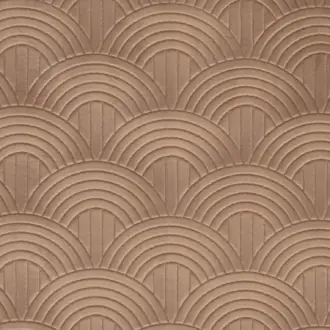
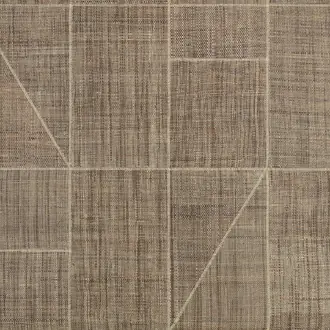
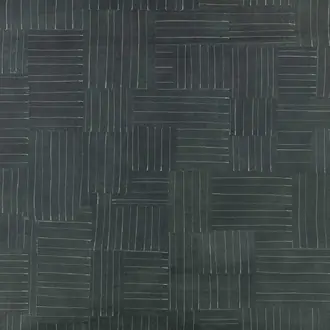
Repeated stitched lines can form diamonds, chevrons, grids and softly irregular geometrics. The motif may appear ordered from across the room, while the thread and natural ground become clearer at closer range.
Linear embroidery is useful where a room needs pattern without the sharper effect of a flat printed geometric. On sisal or raffia, small variations in fibre and stitching soften the repeat and give the wall more movement.
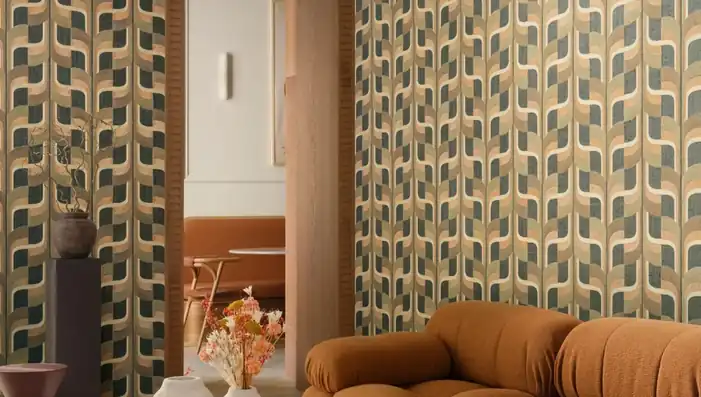
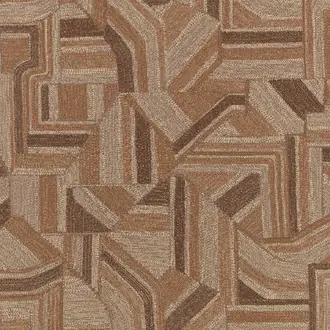
For a warm architectural example, view Arte Alata Orange embroidered sisal wallpaper.

Quiet colour, visible craftsmanship
Contemporary Embroidered Wallcoverings
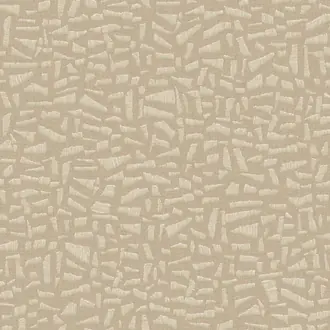
Embroidery does not have to feel ornate or traditional. Tone-on-tone thread, restrained palettes and abstract stitched marks can create a cleaner contemporary surface where texture does more of the work than colour contrast.
These designs suit living rooms, bedrooms and dining spaces where plain wallpaper would feel too flat but a bold printed pattern would dominate. Side lighting is especially effective because it reveals the changing relief of the thread.
Pair pale embroidery with timber, linen, plaster and sculptural furniture, or use a darker ground to give the stitched motif greater contrast.

Pattern built from surface
Botanical and Organic Embroidery
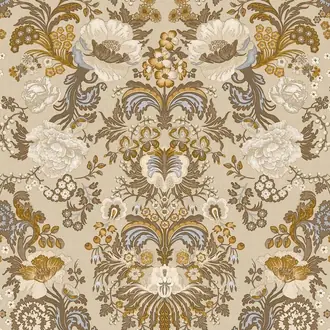
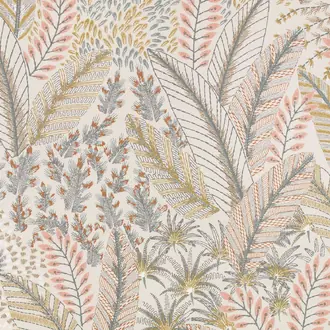
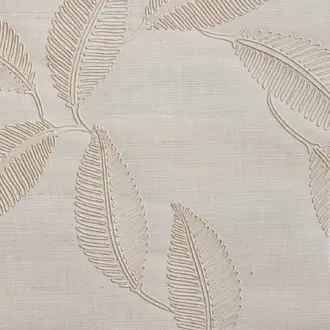
Leaves, stems and abstracted natural forms are particularly effective in embroidery because thread can change direction and density across the motif. The design gains a softer edge and a more tactile presence than an equivalent flat print.
Large botanical embroidery can become the room's main decorative feature, while closely toned organic motifs work more like texture. Consider how much uninterrupted wall is available so the repeat can be understood around furniture and architectural features.
Use restrained upholstery and natural materials where the stitched surface is elaborate; quieter embroidery can support a more layered interior.

Construction before decoration
Planning and Hanging Embroidered Wallpaper
Embroidered wallcoverings can be supplied as rolls, wide-width goods or material sold by the linear metre. Width, backing, repeat and hanging method vary, so quantities should be calculated from the exact specification rather than from a standard wallpaper-roll assumption.
Thread, natural fibres and applied details can be vulnerable to paste, excessive rubbing and inappropriate cleaning. Check the manufacturer's preparation, adhesive, trimming and installation instructions before work begins.
For delicate or high-value designs, use a decorator experienced with specialist textile wallcoverings. Confirm roll sequence and expected panel variation before cutting.
Choosing the right stitched surface
Consider Ground, Relief and Repeat Together
An embroidered wallcovering is defined by more than its motif. The base material determines much of its character, while the thread, scale and construction influence both the appearance and the installation.
Check the base material
Raffia and sisal bring natural movement; woven textile feels softer; smoother grounds make the stitchwork appear more precise.
Judge relief in real light
Raised thread creates shadows and highlights that change through the day. View the sample vertically and from several directions.
Plan the repeat and joins
Establish how the embroidery aligns between lengths and whether visible joins or panel variation form part of the intended finish.

Samples and specialist advice
See the Thread, Ground and Colour at Home
Photography cannot fully show the height of the embroidery, the direction of the fibres or the way individual threads catch the light. A physical sample also helps reveal whether the supporting ground is smooth, woven or naturally irregular.
View samples vertically in the intended room during daylight and artificial light. Compare them with nearby fabrics, flooring and paint, and retain the product specification for your installer.
Continue browsing
Related Textile and Tactile Wallcoverings
Frequently asked questions
Embroidered Wallpaper FAQs
What is embroidered wallpaper?
Embroidered wallpaper is a specialist wallcovering in which thread, yarn or decorative fibre is stitched onto a supporting surface. The embroidery creates genuine relief and texture rather than simply printing the appearance of stitches.
Is embroidered wallpaper the same as textile wallpaper?
Embroidered wallpaper belongs within the broader textile-wallcovering family, but not every textile wallpaper is embroidered. Textile wallpaper may be woven, laminated, flocked or otherwise constructed without stitched decoration.
What materials are used beneath the embroidery?
The ground may be raffia, sisal, linen, woven textile, paper or another specialist substrate. Always check the individual product specification because the base material affects appearance, care and installation.
Can embroidered wallpaper be used throughout a room?
Yes, particularly where the colour and repeat are restrained. Richly embellished or large-scale designs may be better used on selected walls unless an enveloping decorative effect is intended.
Will the surface vary between lengths?
Natural fibres, woven grounds and handcrafted embroidery may show changes in tone, texture, stitch or alignment. Some visible joins and variation can form part of the wallcovering's intended character.
Why should I order an embroidered wallpaper sample?
A sample reveals the true relief, fibre, stitch density, sheen and colour. These material qualities are difficult to judge accurately from photography or a screen.
Does embroidered wallpaper require specialist installation?
Many embroidered and textile wallcoverings benefit from a decorator experienced with specialist materials. Follow the manufacturer's instructions for preparation, adhesive, trimming, handling and cleaning.
How should embroidered wallpaper be cleaned?
Cleaning guidance varies by product. Avoid assuming the surface is washable: rubbing, moisture or cleaning products may damage thread, natural fibre or applied detail. Follow the exact manufacturer's care instructions.