


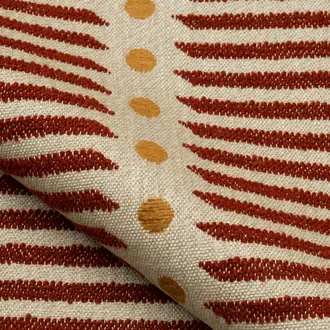


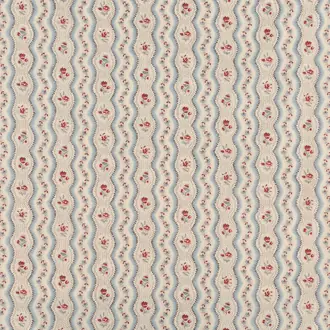
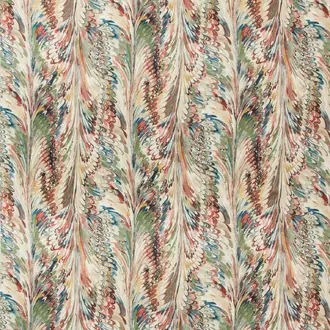


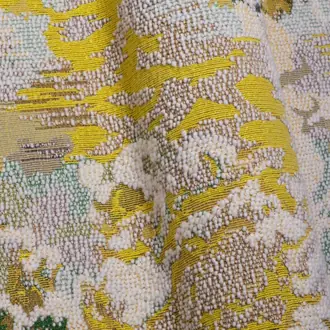


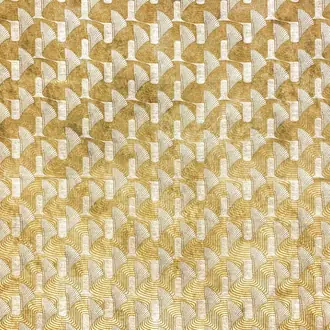


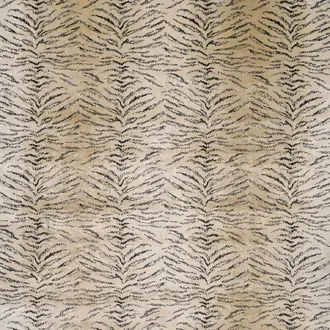

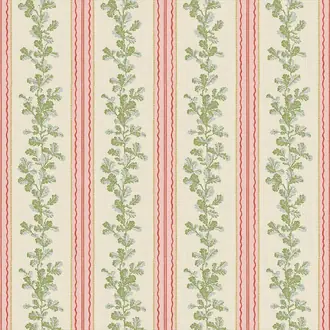





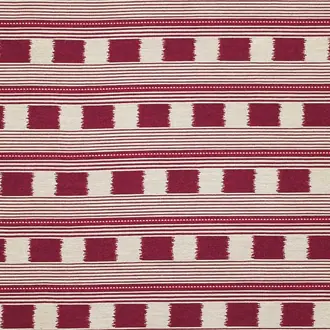





















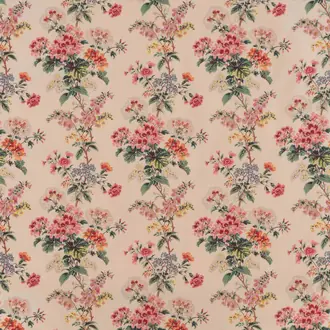
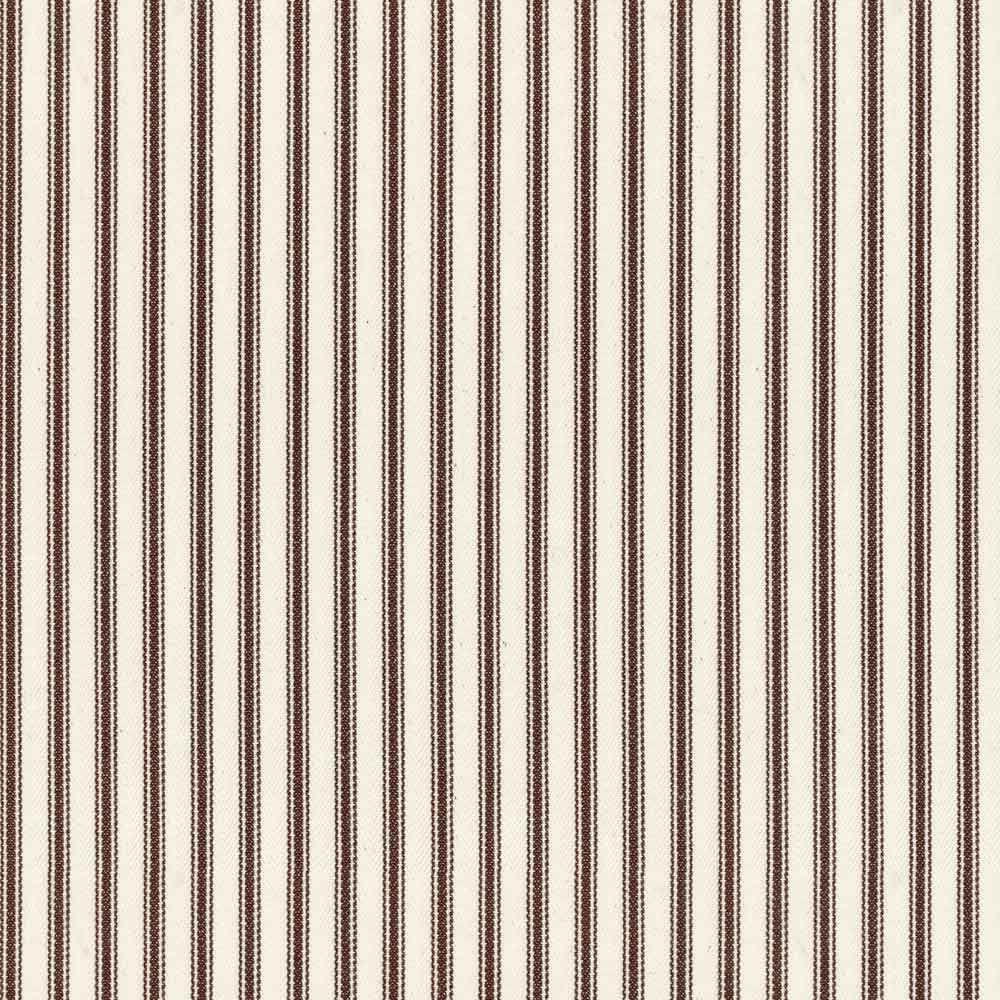





Fluid drape
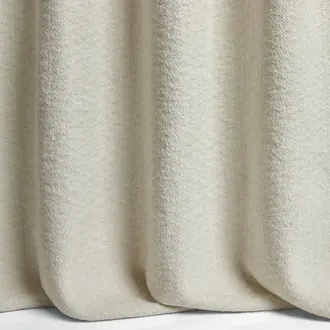
Selected viscose fabrics fall softly and respond beautifully to movement, making them particularly effective for decorative curtains.

No products matched “”.
No matches for “”.
 1722 reviews
Discover designer viscose fabrics selected for their fluid drape, tactile surface and distinctive response to light. The collection includes lustrous curtain fabrics, patterned designs and viscose-pile upholstery fabrics from leading interior textile brands.
Viscose may be used alone or blended with fibres such as linen, cotton and polyester. Suitability varies by design, so check the individual product specification before choosing fabric for curtains, blinds, upholstery or accessories.


Softness, drape and changing light
Viscose is a cellulose-derived fibre valued in interior textiles for its softness, fluid movement and ability to take colour beautifully. Depending on its construction, it can create anything from a relaxed woven blend to a richly lustrous velvet pile.
Viscose is a type of rayon, although rayon also describes a broader family of regenerated cellulose fibres. The percentage and role of viscose vary between products, so the individual composition and usage specification should always be checked.
Selected viscose fabrics fall softly and respond beautifully to movement, making them particularly effective for decorative curtains.
Viscose is frequently used within velvet piles to create softness, colour depth and a surface that changes under light and touch.
Blending viscose with linen, cotton or synthetic fibres can introduce structure, texture and product-specific performance.

Movement at the window
Viscose can give curtain fabrics an elegant fall and a subtle or pronounced lustre. It is especially effective where a design depends on movement, changing light or a softly reflective surface.
Not every viscose fabric is intended for window treatments. Check the stated application, width, weight, repeat and care guidance before selecting a design for curtains or blinds.

Colour, pattern and tactile pile
Viscose is often used within the pile of decorative upholstery fabrics and velvets. Its softness and response to light can bring depth to curved seating, occasional chairs, cushions and statement furniture.
A viscose pile does not automatically establish suitability for every upholstery project. Review the stated usage, abrasion performance, pilling information and manufacturer care instructions for the individual product.

A surface that responds to light
Velvets and other pile fabrics can appear lighter or darker according to the direction of the nap. Touch, pressure and changing light alter how the surface reflects, producing the characteristic shading associated with many viscose-pile textiles.
Pressure marks and variations in appearance should be assessed in the context of the fabric’s construction. A sample helps you understand how the surface will look under the natural and artificial light within your room.

Beyond plain velvet
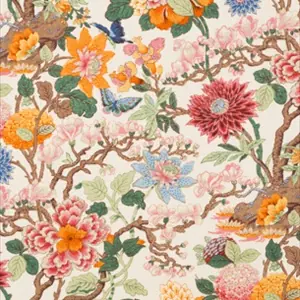
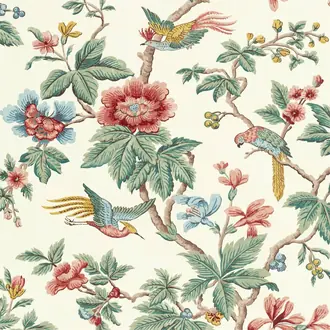
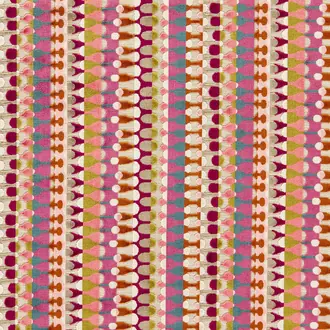
Viscose is not limited to plain velvet. Printed, woven and patterned fabrics use its colour response and tactile qualities to create expressive florals, geometrics, abstract designs and richly layered decorative surfaces.
Consider the scale and repeat alongside the proposed application. Larger patterns need sufficient uninterrupted space, while smaller repeats can adapt more readily to cushions and detailed furniture.

Combining fibres and qualities
Viscose may be blended with linen, cotton, wool, polyester or other fibres. The accompanying fibres and the textile construction influence the finished handle, appearance, stability and recommended use.
A high viscose percentage does not by itself determine whether a fabric is best suited to curtains or upholstery. Use the complete product specification rather than judging suitability from one fibre alone.
Composition, application and care
Begin with the intended application and then compare composition, handle, weight, pattern scale and technical information. For upholstery, check the stated abrasion and care information. For curtains, consider the fall, width, repeat and how the fabric responds to light.
Cleaning guidance varies considerably. Do not apply one general cleaning method to every viscose fabric or assume that all products are washable. Follow the instructions supplied for the individual textile and finished item.
Check whether the selected colourway is recommended for curtains, blinds, upholstery, cushions or headboards.
Colour and sheen can change under different lighting conditions. Assess a sample alongside the other materials in the scheme.
Use the manufacturer’s current cleaning and maintenance instructions for the particular construction and blend.
Samples and experienced advice
Order samples to compare colour, softness, sheen and pile direction before committing to a full quantity. If you are uncertain about application, composition or care, tell us how the fabric will be used and we can help narrow the available options.
Frequently asked questions
Viscose is a type of rayon made from regenerated cellulose. Rayon is a broader term that can cover more than one regenerated cellulose process.
Many viscose and viscose-blend fabrics are suitable for curtains and are valued for their fluid drape. Check the stated usage of the individual product before ordering.
Some upholstery fabrics and velvets use viscose within their pile or blend. Confirm the recommended application and review the relevant abrasion, pilling and care information.
The pile reflects light differently according to its direction. Shading and changes caused by movement of the nap are characteristic of many pile fabrics.
Not necessarily. Cleaning requirements depend on the weave, pile, blend, finish and finished application. Follow the care instructions provided for the specific fabric.
Yes. A sample lets you assess the true colour, handle, sheen and pile direction under the lighting conditions in your room.
Prices and taxes are calculated based on your country.
Some items may not be available for delivery to every country — we will tell you at the basket or checkout if anything cannot be sent.
Necessary cookies enable core functionality such as page navigation, your shopping basket and secure checkout. The site cannot work properly without them.
| Cookie | Provider | Duration |
|---|---|---|
| __cf_bm | Cloudflare | 30 minutes |
| cf_clearance | Cloudflare | Varies |
| ect_consent | First party | 180 days |
| ectcartcookie | First party | Session |
| ecthash | First party | Session |
| ectordid | First party | Session |
| ectsessid | First party | Session |
| PHPSESSID | First party | Session |
Preference cookies let the site remember choices you make (such as your region or recently viewed items) for a more personal experience.
| Cookie | Provider | Duration |
|---|---|---|
| ect_country_popup_shown | First party | 1 day |
| WRITECLL | First party | Persistent |
| WRITECLP | First party | Persistent |
Statistics cookies help us understand how visitors use the site by collecting and reporting information anonymously.
| Cookie | Provider | Duration |
|---|---|---|
| _ga | Google Analytics | 2 years |
| _ga_ | Google Analytics | 2 years |
| _hj | Hotjar (via Google Tag Manager) | 30 minutes - 1 year |
| fs_uid | FullStory (via Google Tag Manager) | 1 year |
Marketing cookies track visitors across sites to display relevant ads and measure campaign performance.
| Cookie | Provider | Duration |
|---|---|---|
| __kla_id | Klaviyo | 2 years |
| _gcl_ | Google Ads (via Google Tag Manager) | 90 days |
| id1 | First party | ~6 months |
| id2 | First party | ~6 months |
| IDE | Google DoubleClick (third-party, doubleclick.net) | 13 months |
| PARTNER | First party | Persistent |