


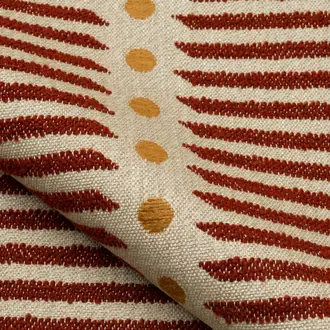


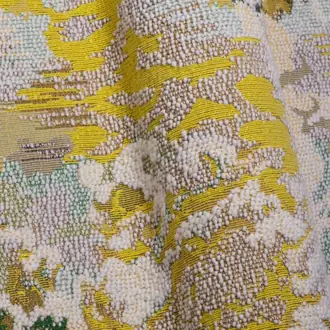


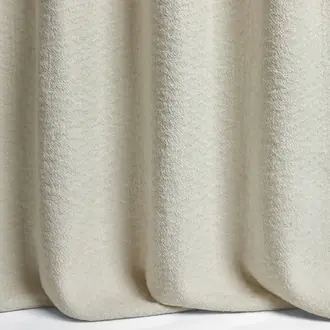


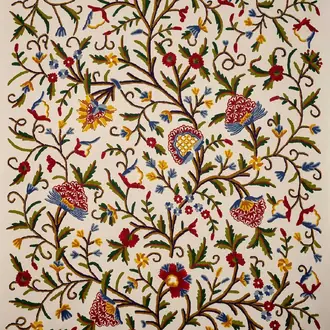
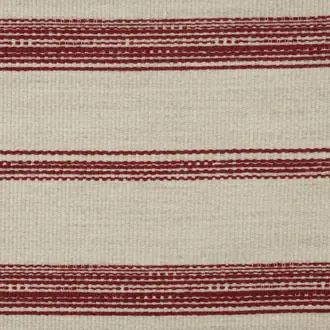


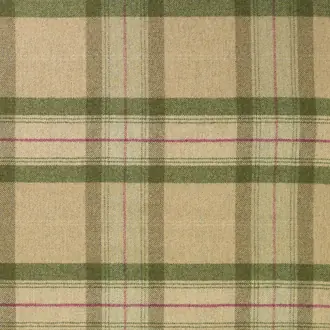
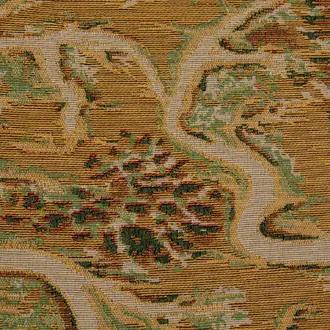





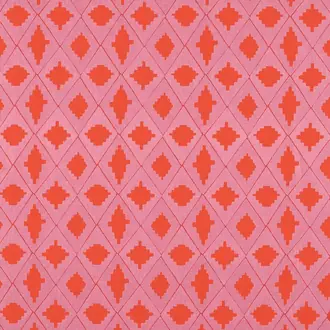





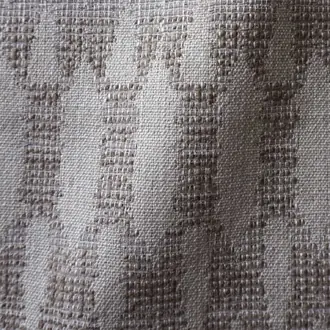


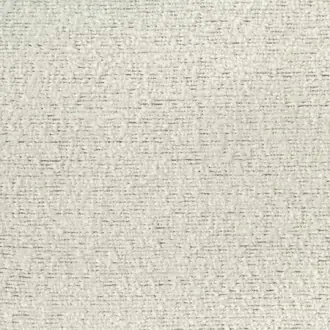





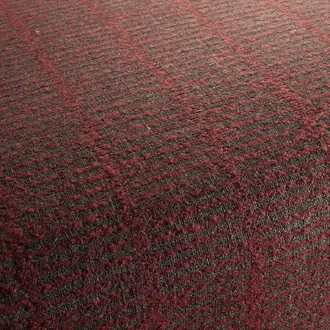


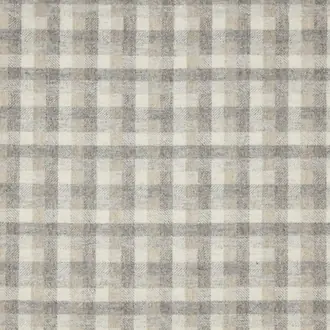


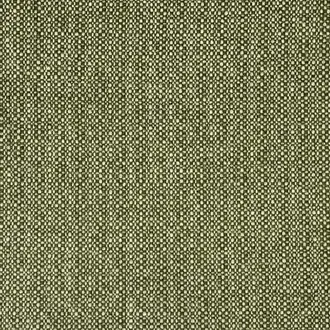


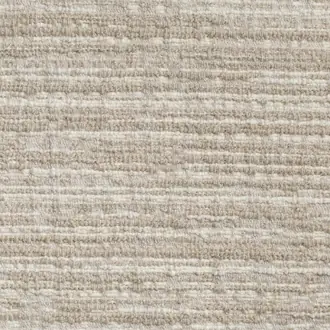





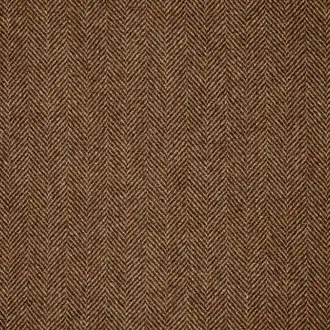





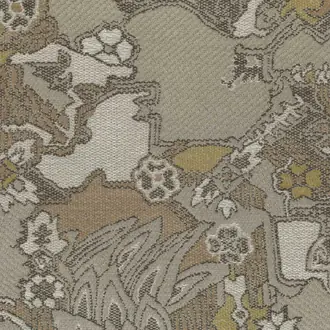


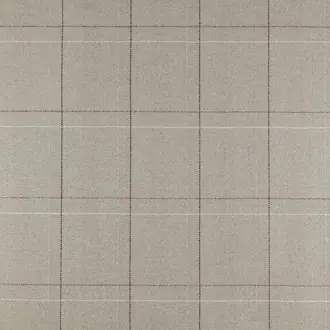


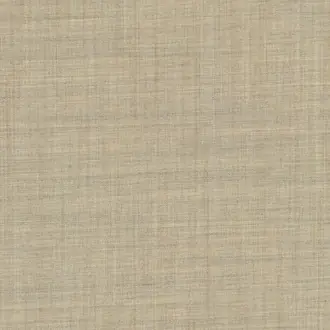


Warm, tactile texture
Wool can bring softness and visual depth to a scheme, from refined worsted cloths to pronounced loops and chunky woven surfaces.

No products matched “”.
No matches for “”.
 1722 reviews
Explore designer wool fabric and genuine wool blends for upholstery, curtains, Roman blinds, cushions and other interior furnishings. From refined plains and checks to tactile bouclé, felted weaves and richly coloured patterns, wool brings warmth, texture and lasting character to an interior.
Our collection includes pure wool alongside fabrics blended with fibres such as cotton, linen, viscose, silk, polyamide and polyester. Composition alone does not determine suitability, so order a sample and check the individual fabric’s recommended use, width, care information and performance specification.

Fibre and character
Wool is an animal fibre most commonly obtained from sheep. In furnishing textiles it can be spun and woven in many ways, producing cloth that ranges from smooth, closely constructed plains to softly felted textures, checks, stripes, bouclé and substantial upholstery weaves.
Wool fibres have a natural crimp that can contribute resilience, warmth and a tactile handle. The behaviour of the finished fabric still depends upon its complete composition, yarn, construction, weight and finish.
Wool can bring softness and visual depth to a scheme, from refined worsted cloths to pronounced loops and chunky woven surfaces.
Designer wool fabrics extend well beyond neutral plains, with checks, stripes, geometrics, multicoloured weaves and expressive contemporary designs.
The collection includes pure wool and genuine wool blends. Always compare the complete composition and product specification.

Seating and statement pieces
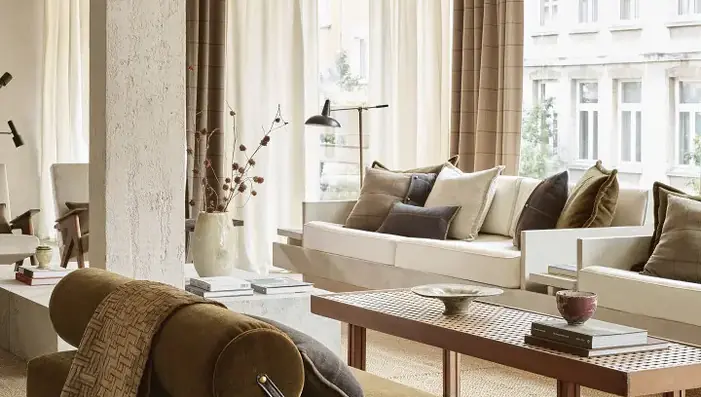
Wool upholstery fabric can combine a comfortable handle with the structure needed for sofas, armchairs, dining chairs, benches, ottomans and upholstered headboards. Plain and felted cloths create quiet depth, while checks, herringbones and colourful woven patterns can define an individual piece.
Suitability cannot be judged from fibre content alone. Check the manufacturer’s stated use, Martindale result, care instructions and any relevant fire-safety requirements before specifying a fabric for domestic or contract upholstery.

Warmth at the window
Selected wool and wool-blend fabrics make distinctive curtains, combining colour and texture with a sense of warmth. Closely woven plains can create an architectural treatment, while checks, stripes and patterned cloths introduce rhythm and character.
Consider weight, usable width, pattern repeat, direction and the finished heading. Some wool fabrics benefit from lining or interlining, but very heavy or bulky constructions require individual assessment. Fabrics intended primarily for upholstery may not drape appropriately at the window.
Texture and construction
Wool is not a single look or weight. Start with the intended application, then compare the fabric’s composition, construction and tested performance.
Closely woven, melange and felted plains provide depth of colour and a tactile alternative to flatter synthetic or plant-fibre cloths.
Windowpane checks, tartan-inspired patterns and softly coloured plaids suit both traditional and contemporary upholstery and soft furnishings.
Diagonal and chevron-like woven structures add quiet pattern and reveal the character of contrasting or blended yarns.
Looped yarns create a pronounced, tactile surface. Composition and durability vary, so not every bouclé is wool or suitable for demanding upholstery.
Jacquards, stripes, geometrics and multicoloured weaves allow wool to become a decorative feature rather than simply a neutral base.
Wool may be combined with natural or manufactured fibres to create a particular appearance, handle, stability or performance profile.

Looped and dimensional
Bouclé is defined by its looped or curled yarn and dimensional surface rather than by one fibre composition. Some bouclé fabrics contain wool, while others are made from cotton, viscose, synthetics or complex blends.
For upholstery, examine the scale and stability of the loops as well as the manufacturer’s recommended use and abrasion data. Order a sample to see whether the surface is fine and tailored, soft and cloud-like, or deliberately chunky.

Understanding composition
Pure wool offers the clearest expression of the fibre, but a wool blend is not automatically inferior. Combining wool with cotton, linen, viscose, silk, polyamide or polyester may help create a particular texture, colour effect, drape, strength or level of stability.
Mohair, cashmere and alpaca are distinct animal fibres rather than varieties of sheep’s wool. They may be used alone or blended with wool and other fibres. Mohair is particularly associated with lustrous, resilient upholstery velvets; it merits its own specialist collection and specification guidance.

Beyond neutral plains
Traditional checks and herringbones remain central to wool furnishing collections, but contemporary designs also use irregular grids, stripes, geometrics and multicoloured yarns. The woven construction can soften contrasting colours and give even a bold pattern a rich, integrated appearance.
View the full repeat before ordering for a large chair, sofa or curtain treatment. Pattern matching, placement and additional fabric allowances should be considered when calculating quantities.

Layering colour and texture
Wool can act as a calm foundation or a strongly decorative material. Tonal plains and small-scale checks layer easily across sofas, cushions and window treatments, while saturated colour or larger patterns can give an upholstered piece greater presence.
Compare samples beside flooring, paint, timber and existing textiles in the intended light. Melange yarns and textured surfaces often contain several subtle colours that are difficult to judge accurately from a screen.

Before ordering
A sample is the best way to assess the true colour, weave, softness, thickness, pattern scale and drape of a wool fabric. Check the exact composition, usable width, repeat, care instructions, recommended end use and relevant technical data before cutting or commissioning made-to-measure work.
Natural fibres and blended yarns can display subtle variation. When several lengths are required for one room, order them together and request a stock cutting where continuity is important.
Continue browsing
Frequently asked questions
Many wool and wool-blend fabrics are designed for upholstery. Confirm the manufacturer’s recommended use, abrasion result, care requirements and any applicable fire-safety requirements for the particular fabric and setting.
Selected wool fabrics make excellent curtains, particularly where texture, colour and a substantial appearance are wanted. Check weight, drape, width, pattern repeat and lining requirements; an upholstery-only fabric may not be suitable.
Yes, when wool is declared in the fibre composition. A wool blend combines wool with one or more other fibres to create a particular appearance, handle or performance. Check the percentages and complete specification.
No. Bouclé describes a looped yarn or textured construction rather than a specific fibre. Bouclé may contain wool, cotton, viscose, synthetics or a combination of fibres.
Wool usually refers to fibre from sheep, while mohair is obtained from the Angora goat. Mohair can have a distinctive lustre and resilience and is often used in specialist upholstery velvets and blends.
No. Wool has particular natural burning characteristics, but this does not mean every wool furnishing fabric automatically complies with a required domestic or contract fire-safety standard. Check the test certification and intended end use of the exact product.
Follow the care instructions supplied for the individual fabric. Do not assume that a wool or wool-blend furnishing fabric is machine washable; professional or specialist cleaning may be required.
A sample lets you assess colour, texture, thickness, softness and pattern scale in the intended room. Melange yarns and tactile surfaces can appear quite different in person and under changing light.
Prices and taxes are calculated based on your country.
Some items may not be available for delivery to every country — we will tell you at the basket or checkout if anything cannot be sent.
Necessary cookies enable core functionality such as page navigation, your shopping basket and secure checkout. The site cannot work properly without them.
| Cookie | Provider | Duration |
|---|---|---|
| __cf_bm | Cloudflare | 30 minutes |
| cf_clearance | Cloudflare | Varies |
| ect_consent | First party | 180 days |
| ectcartcookie | First party | Session |
| ecthash | First party | Session |
| ectordid | First party | Session |
| ectsessid | First party | Session |
| PHPSESSID | First party | Session |
Preference cookies let the site remember choices you make (such as your region or recently viewed items) for a more personal experience.
| Cookie | Provider | Duration |
|---|---|---|
| ect_country_popup_shown | First party | 1 day |
| WRITECLL | First party | Persistent |
| WRITECLP | First party | Persistent |
Statistics cookies help us understand how visitors use the site by collecting and reporting information anonymously.
| Cookie | Provider | Duration |
|---|---|---|
| _ga | Google Analytics | 2 years |
| _ga_ | Google Analytics | 2 years |
| _hj | Hotjar (via Google Tag Manager) | 30 minutes - 1 year |
| fs_uid | FullStory (via Google Tag Manager) | 1 year |
Marketing cookies track visitors across sites to display relevant ads and measure campaign performance.
| Cookie | Provider | Duration |
|---|---|---|
| __kla_id | Klaviyo | 2 years |
| _gcl_ | Google Ads (via Google Tag Manager) | 90 days |
| id1 | First party | ~6 months |
| id2 | First party | ~6 months |
| IDE | Google DoubleClick (third-party, doubleclick.net) | 13 months |
| PARTNER | First party | Persistent |