
























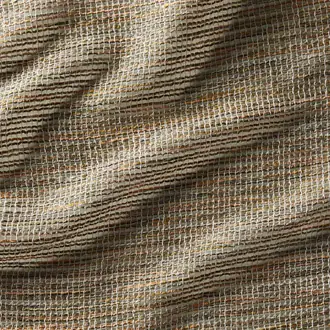


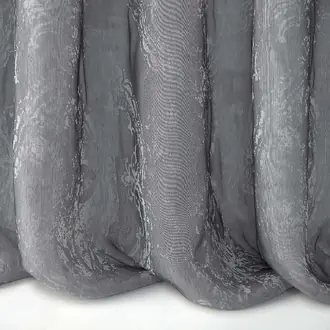


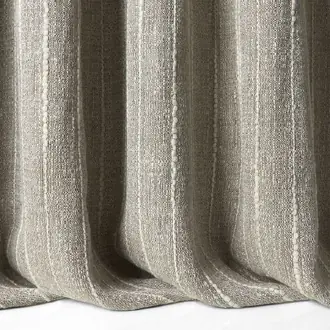


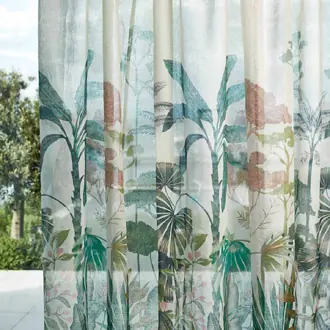













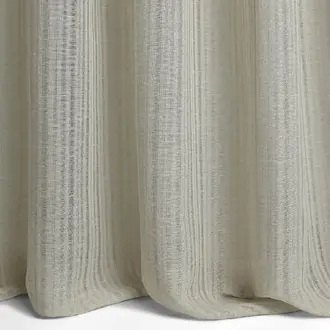







Filter daylight
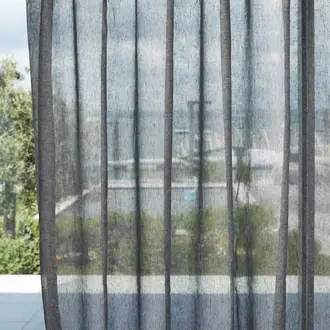
Voile softens direct light and reduces glare while preserving a bright connection with the window.

No products matched “”.
No matches for “”.
 1722 reviews
Explore designer voile fabric and sheer curtain fabrics created to soften daylight, introduce a degree of daytime privacy and add movement at the window. Discover understated plains, natural linen-look textures, coloured sheers, delicate stripes, embroidered designs and wide-width fabrics for seamless or reduced-seam curtains.
Voile and sheer are often used interchangeably, although sheer fabric is the broader description. Composition, transparency, width and construction vary considerably, so check the individual specification and order a sample to assess how the fabric responds to light in your room.

Light, transparency and movement
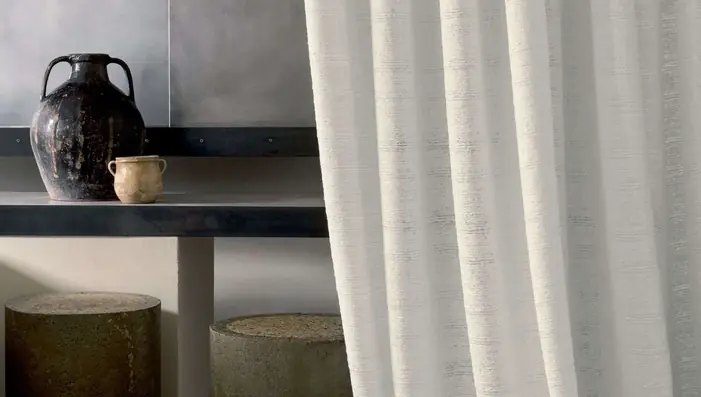
Voile is a lightweight fabric with an open or translucent appearance, designed to soften daylight rather than block it completely. Fine yarns and a relatively light construction allow the cloth to retain an airy character while giving a window a more finished and private appearance.
The terms voile and sheer fabric are frequently used together in furnishing collections. Technically, voile describes a particular lightweight woven cloth, while sheer is the broader term for fabrics through which light can pass. This collection brings both descriptions together so that comparable light-filtering curtain fabrics can be viewed in one place.
Voile softens direct light and reduces glare while preserving a bright connection with the window.
A sheer layer can make a room feel less exposed during daylight, although it should not be treated as complete privacy after dark.
Full-height translucent curtains introduce movement and texture without the visual weight of an opaque furnishing fabric.

Softened light and daytime screening
Voile curtains diffuse the view through a window and can provide useful screening during the day, particularly when the exterior is brighter than the room. The amount of privacy depends on the openness of the weave, the colour, the fullness of the curtain and the difference between indoor and outdoor light levels.
At night, when the room is illuminated and it is dark outside, most voile fabrics provide limited privacy. If greater screening or light control is required, combine the sheer layer with lined curtains, a blind or another suitable window treatment.
A physical sample held against the window is the best way to assess transparency. View it during the day and after dark before making the final decision.

Room-high and seamless window treatments
Many furnishing voiles are woven at approximately 280 to 330 centimetres wide so that the fabric can be used room-high. When the width becomes the finished curtain drop, large expanses of glass may be covered with fewer vertical seams.
Wide width does not automatically mean that every fabric can be turned through either direction. Check the usable width, pattern orientation, selvage direction and whether the supplier recommends railroaded or room-high use.
Finished quantity also depends on the required fullness, heading, track width, return, overlap and finished drop. These details should be confirmed before the fabric is ordered.

Linen, cotton and contemporary blends
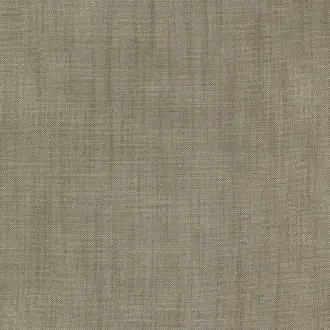
Voile and sheer fabrics are available in many compositions. Linen and linen-rich qualities often have visible slubs, gentle irregularity and a relaxed natural appearance. Cotton can create a soft, familiar handle, while polyester and blended constructions may provide stability, washability, wider widths or specialist performance.
The fibre content does not determine transparency by itself. Yarn thickness, weave density, colour and finish all affect the amount of light that passes through the cloth.
Natural-looking sheers may contain several fibres selected to balance texture, drape and practicality. Refer to the individual composition and care instructions rather than judging the fabric from appearance alone.

White, neutral and coloured sheers
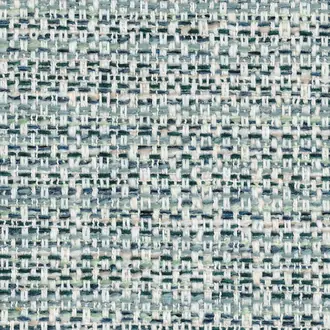
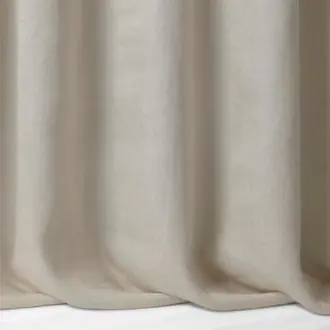
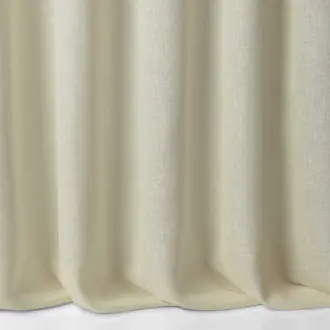
White and ivory voiles maximise brightness and create a clean, understated window treatment, but coloured sheers can produce a more distinctive atmosphere. Soft blue, green, blush, clay and warm neutral shades gently tint the incoming light while remaining visually lightweight.
Darker sheer fabrics create stronger contrast and can make the window architecture more prominent. They do not necessarily provide complete privacy, but the deeper yarn colour can make the weave and folds appear more defined.
Colour is particularly sensitive to changing light when a fabric is translucent. Test a sample against the actual window rather than selecting it only from a screen or flat sample image.

Embroidery, texture and decorative detail
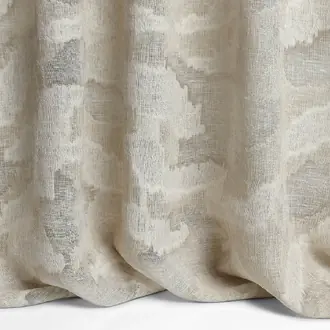
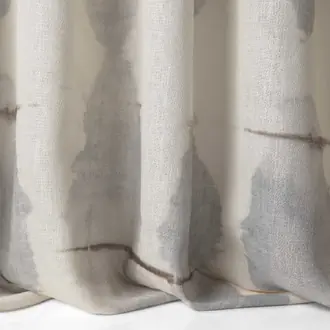
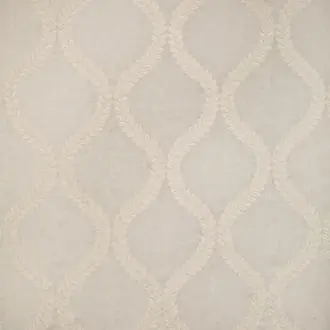
Sheer fabric does not need to be completely plain. Embroidered branches, abstract motifs, open geometrics and woven textures can introduce pattern while allowing daylight to remain part of the design.
Embroidery may alter the weight and drape of the ground cloth, while denser decorative areas can appear more prominent when the fabric is viewed against the light. Consider how the design will fall through the finished folds and whether its scale suits the window.
Check the vertical and horizontal repeat before calculating quantities. Pattern placement may require additional fabric, particularly across several adjoining curtain panels.

Quiet structure at the window
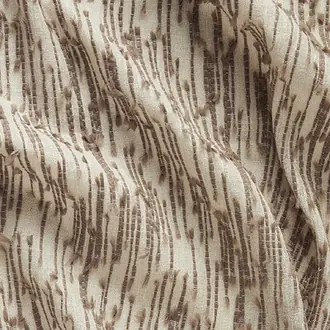
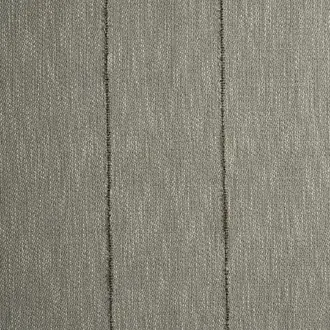
A stripe gives lightweight sheer curtains greater visual structure without making the window treatment feel heavy. Fine pinstripes, irregular yarn-dyed lines and broader tonal bands can emphasise height and provide a quiet alternative to both plain and strongly patterned fabric.
Vertical stripes naturally follow the curtain drop, while horizontal or crosswise effects depend on the fabric’s intended orientation. Always check the supplier’s image, width and pattern direction before ordering.
When several widths are joined, the maker will also need to align the stripe accurately across seams and finished folds.

Flexible control throughout the day
Layering separates daytime light control from evening privacy. A voile curtain can remain drawn to soften daylight and screen the room, while lined curtains or a blind can be closed when greater privacy, darkness or insulation is required.
A double track allows sheer and lined curtains to move independently. Voile may also be combined with a Roman blind, roller blind or other suitable treatment, depending on the window and the required appearance.
Allow sufficient space for each layer to move without catching. Track projection, handles, radiators, window openings and the stacking position should all be considered when the treatment is planned.

Transparency, scale and technical checks
A screen image cannot reliably show how transparent a sheer fabric will appear in your room. A sample allows you to assess the colour, weave, handle and light transmission against the actual window.
Hold the sample vertically and gather part of it into folds. Increased fullness places more layers of fabric across the view, which can change both its appearance and the level of screening.
Before ordering the final quantity, confirm the usable width, orientation, composition, care instructions, pattern repeat and recommended use. Specialist requirements such as flame retardancy should be verified for the exact product.
Continue browsing
Frequently asked questions
Voile is a lightweight, translucent fabric commonly used for curtains and other decorative window treatments. It filters daylight and softens the view through a window without blocking light completely.
Sheer is the broader description for fabrics that allow light to pass through them. Voile is a particular type of lightweight sheer woven fabric. Furnishing suppliers frequently use the terms together or interchangeably.
Voile can provide useful daytime screening when it is brighter outside than inside. It normally offers much less privacy at night when lights are on, so another curtain or blind may be required.
In many circumstances, yes. When the room is lit and it is dark outside, silhouettes and interior details may be visible through voile. Test a sample and combine the voile with an opaque treatment where evening privacy is important.
Wide-width voile is commonly woven at approximately 280 to 330 centimetres wide. Many designs can be used room-high, helping reduce vertical seams across large windows. Check the exact orientation and usable width before ordering.
Yes, where softly filtered light and limited daytime screening are sufficient. In bedrooms or rooms requiring evening privacy, voile is often layered with lined curtains or a blind.
No. Voile and sheer fabrics are available in ivory, natural, grey, blue, green, blush, clay, black and many other colours, as well as stripes, woven textures and embroidered patterns.
The quantity depends on the track or pole width, finished drop, required fullness, fabric width, orientation, heading and pattern repeat. Obtain finished measurements and confirm the construction before ordering.
A sample helps you judge transparency, colour, weave and handle against the actual window. View it in daylight and after dark, both flat and gathered into folds.
Prices and taxes are calculated based on your country.
Some items may not be available for delivery to every country — we will tell you at the basket or checkout if anything cannot be sent.
Necessary cookies enable core functionality such as page navigation, your shopping basket and secure checkout. The site cannot work properly without them.
| Cookie | Provider | Duration |
|---|---|---|
| __cf_bm | Cloudflare | 30 minutes |
| cf_clearance | Cloudflare | Varies |
| ect_consent | First party | 180 days |
| ectcartcookie | First party | Session |
| ecthash | First party | Session |
| ectordid | First party | Session |
| ectsessid | First party | Session |
| PHPSESSID | First party | Session |
Preference cookies let the site remember choices you make (such as your region or recently viewed items) for a more personal experience.
| Cookie | Provider | Duration |
|---|---|---|
| ect_country_popup_shown | First party | 1 day |
| WRITECLL | First party | Persistent |
| WRITECLP | First party | Persistent |
Statistics cookies help us understand how visitors use the site by collecting and reporting information anonymously.
| Cookie | Provider | Duration |
|---|---|---|
| _ga | Google Analytics | 2 years |
| _ga_ | Google Analytics | 2 years |
| _hj | Hotjar (via Google Tag Manager) | 30 minutes - 1 year |
| fs_uid | FullStory (via Google Tag Manager) | 1 year |
Marketing cookies track visitors across sites to display relevant ads and measure campaign performance.
| Cookie | Provider | Duration |
|---|---|---|
| __kla_id | Klaviyo | 2 years |
| _gcl_ | Google Ads (via Google Tag Manager) | 90 days |
| id1 | First party | ~6 months |
| id2 | First party | ~6 months |
| IDE | Google DoubleClick (third-party, doubleclick.net) | 13 months |
| PARTNER | First party | Persistent |