



Paperweave Wallpaper
Explore designer paperweave wallpaper and woven paper wallcoverings chosen for their tactile structure, subtle variation and refined handcrafted character. Paper strips or paper yarns are woven into the surface, often on a backing, creating depth without the stronger irregularity associated with many natural grasscloths.
Order samples where available to compare weave, colour and sheen in your own light, and check the individual product specification for width, pattern match, backing and hanging instructions before ordering.
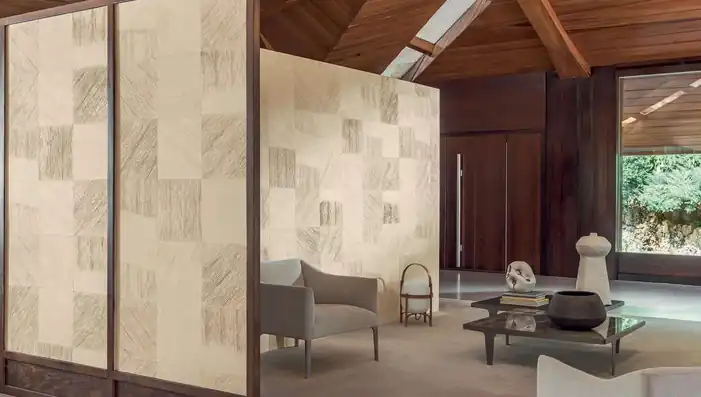

Get A Quote

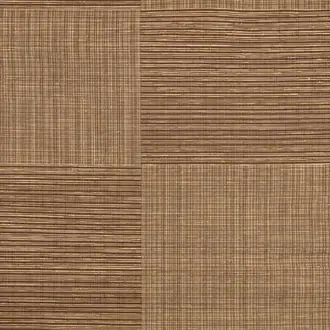


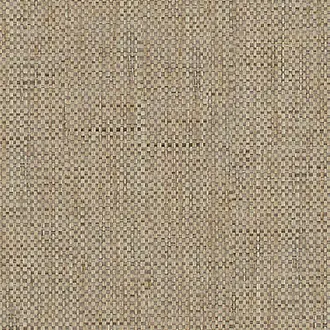


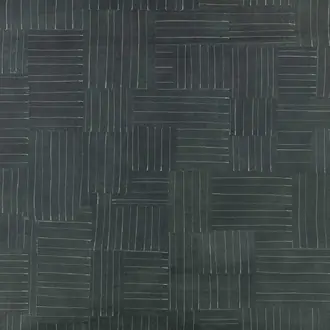


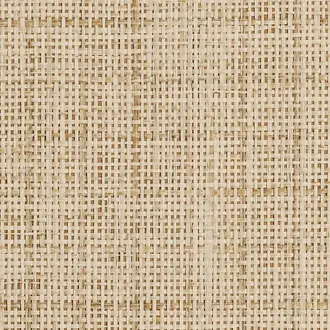


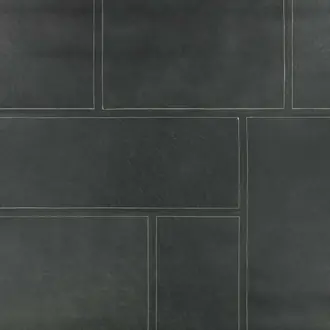


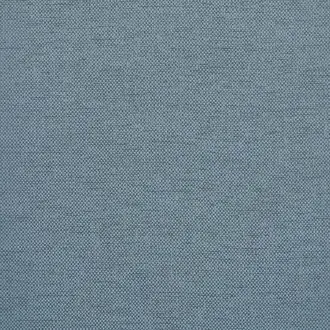


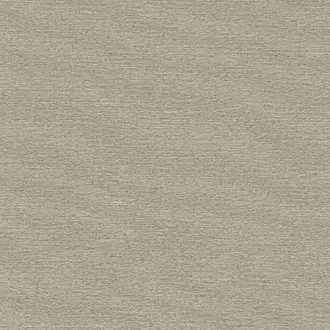


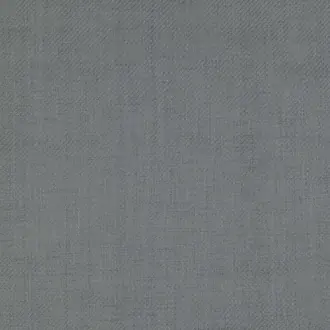


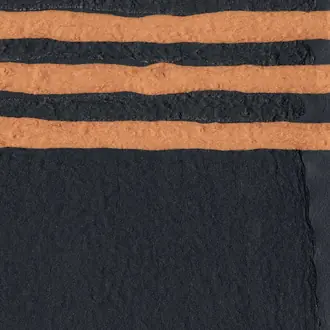


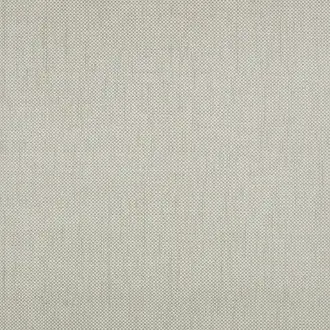


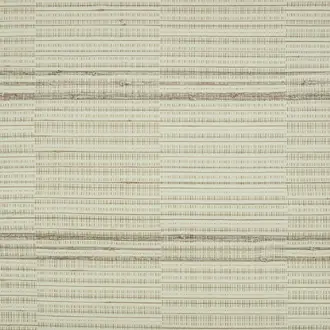


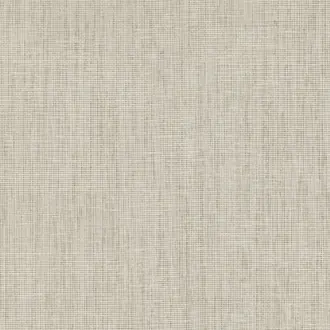


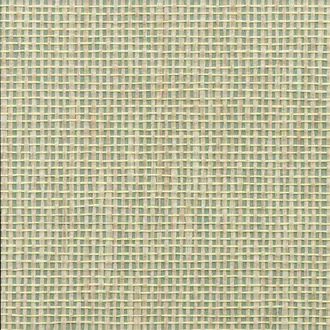


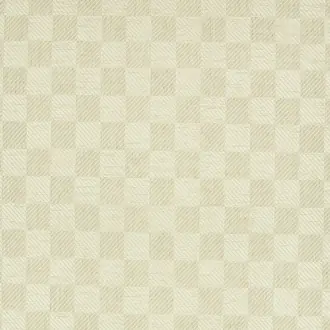

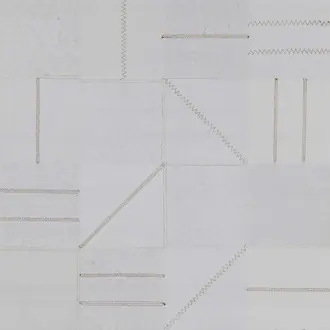


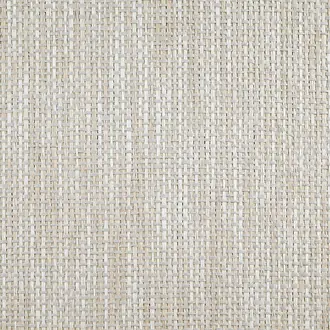


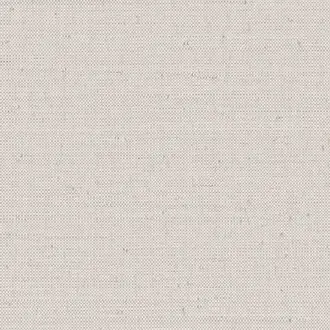


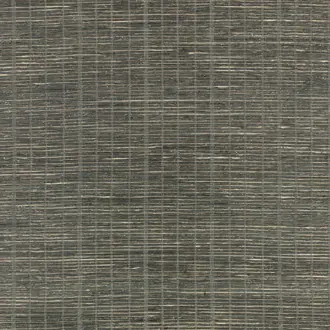


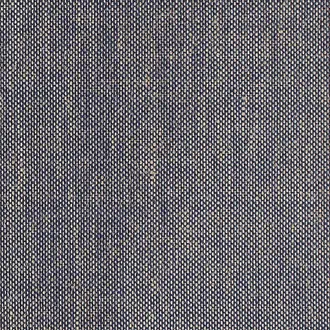


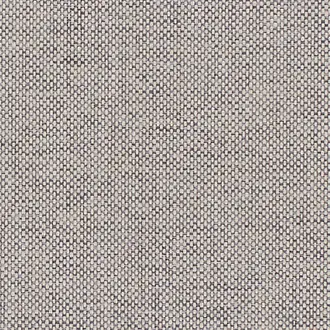


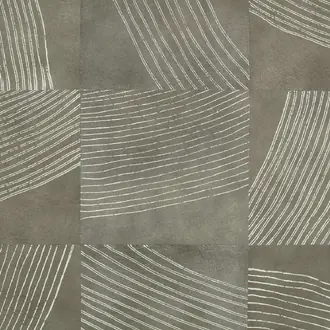




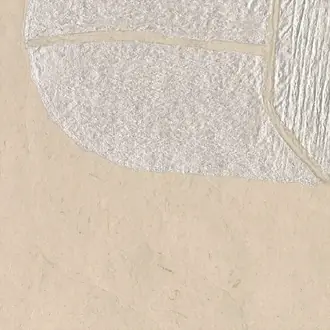

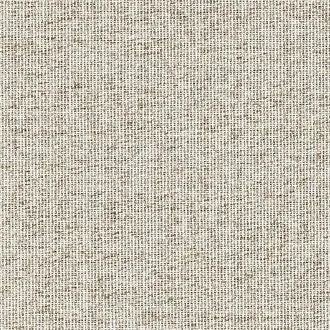


Woven paper, natural variation and crafted depth
Paperweave Wallpaper Made from the Material Itself
Genuine paperweave is constructed from paper yarns, cords, threads or strips that are woven before being prepared as wallcovering. The crossing fibres create a visible structure, subtle relief and small variations that cannot be reproduced by an ordinary flat print.
Some designs remain quiet and almost plain, while others use changes in scale, colour, weave direction or applied pattern. The result can feel tailored, rustic, architectural or decorative depending on the paper and construction.
Visible woven structure
Paper fibres cross and overlap to create texture, shadow and small changes in tone across the wall.
Natural character
Slubs, knots and slight irregularities often belong to the material rather than indicating a fault.
Refined versatility
Fine Japanese-style weaves can appear calm and tailored; heavier cords and strips create bolder architectural surfaces.

Quiet texture, warm material
Natural and Neutral Paperweave Wallpaper
Neutral paperweaves bring interest without relying on strong colour. Cream, parchment, sand, taupe and soft grey fibres work particularly well with timber, stone, linen and softly plastered finishes.
Fine weaves can replace a plain wallpaper where a room needs more depth, while wider paper cords or irregular strips make the construction more visible. Consider the scale of the weave as carefully as the colour.
For a refined woven example, view Mark Alexander Papier Jasmine paperweave wallpaper.

Pattern built over woven fibre
Patterned and Coloured Paperweave
Paperweave need not be plain. Colour, overprinting, embroidery and changes in weave direction can introduce botanical, geometric or abstract pattern while retaining the underlying paper texture.
In a stronger colour, the weave prevents the surface from feeling flat and gives broad walls more movement. Patterned paperweave works especially well in dining rooms, bedrooms and reception spaces where the walls are intended to form part of the furnishing scheme.
Explore the layered botanical surface of Omexco Hierbas OAS203 from the Oase collection.

From fine weave to paper sculpture
Contemporary Paperweave Wallcoverings
Modern paper wallcoverings may combine closely woven yarns with cut, folded, layered or sculptural paper elements. These techniques use the fibre, edge and relief of paper to create architectural surfaces that change with the light.
Dark and metallic colourways emphasise shadow and structure, while pale designs feel quieter and more spacious. Use side lighting where possible to reveal the surface rather than relying only on overhead illumination.
For a bold constructed surface, see Élitis Chiburi RM 983 75 from the Paper Sculpture collection.

Specification before installation
Planning and Hanging Paperweave Wallpaper
Paperweave may be supplied as a conventional roll, a wider roll or material sold by the linear metre. Width, backing, repeat and panel sequence vary, so calculate quantities from the exact product specification.
Natural fibres can absorb moisture and may be vulnerable to paste on the face. Visible joins, panel shading and small changes in weave can be intentional. Inspect the goods before cutting and follow the manufacturer's instructions for adhesive, trimming, booking and cleaning.
Specialist or high-value paperweaves are best entrusted to a decorator experienced with natural and textile wallcoverings.
Choosing the right woven-paper surface
Compare Fibre, Scale and Variation Together
The weave can look very different on a small screen and across a full wall. Use the specification and a physical sample to understand both the construction and the finished visual rhythm.
Check the composition
Some paperweaves combine paper yarn with raffia, abaca, linen, cotton or another natural fibre. The blend affects texture and variation.
Judge the weave vertically
View the sample on the wall in daylight and artificial light. Directional fibre and relief can change noticeably as light moves.
Expect crafted variation
Knots, slubs, changes in tone and visible panel joins may form part of the intended finish. Confirm expectations before installation.

Samples and specialist advice
See the Weave and Colour in Your Room
A sample helps reveal the true thickness of the paper yarn, the openness of the weave, the amount of natural variation and whether the finish catches or absorbs light.
Compare samples vertically beside paint, timber, flooring and fabrics. If several walls are being covered, retain the product information for the installer and confirm whether roll sequence or panel reversal is required.
Continue browsing
Related Natural and Textured Wallcoverings
Frequently asked questions
Paperweave Wallpaper FAQs
What is paperweave wallpaper?
Paperweave is a wallcovering constructed from paper yarns, cords, threads or strips that are woven to create a tactile surface. It may be left natural, coloured, printed, embroidered or combined with other fibres.
Is paperweave the same as grasscloth?
No. Both are woven natural-style wallcoverings, but grasscloth normally uses plant fibres such as sisal, jute, seagrass or arrowroot. Paperweave uses paper-based yarns or strips, although some products combine paper with natural fibres.
Does paperweave wallpaper show joins?
It can. Visible panel joins, changes in tone and slight differences in weave may be part of the intended finish. The degree of variation depends on the product and construction.
Can paperweave be patterned or printed?
Yes. A genuine woven-paper ground may carry printed, painted, embroidered or applied decoration. The underlying paperweave should still remain part of the physical construction.
Why should I order a paperweave sample?
A sample shows the real fibre thickness, weave scale, colour variation and response to light. These material details are difficult to assess accurately from online photography.
Is paperweave suitable for every room?
Paperweave is commonly used in bedrooms, living rooms, dining rooms, studies and reception spaces. Check the individual specification before using it in areas exposed to moisture, abrasion or frequent cleaning.
Does paperweave require specialist installation?
Many paperweaves benefit from an installer experienced with natural, woven or wide-width wallcoverings. Always follow the manufacturer's instructions for preparation, adhesive, trimming, panel sequence and cleaning.
How should paperweave wallpaper be cleaned?
Care instructions vary. Avoid assuming that a woven-paper surface is washable or scrub-resistant. Use only the cleaning method stated by the manufacturer and avoid rubbing loose or raised fibres.