



Dot / Spot Wallpaper
Dot and spot wallpaper ranges from orderly polka dots to painterly marks, metallic accents and raised textures. Small, closely spaced dots can create a quiet background, while larger circles and irregular spots introduce a stronger sense of rhythm. Explore contemporary and traditional designs in colours and finishes suited to both understated schemes and more expressive interiors.


Get A Quote


















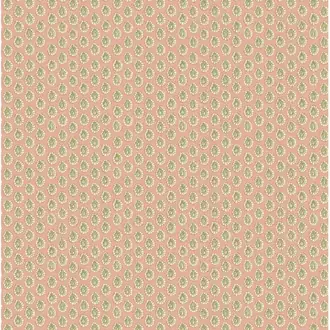





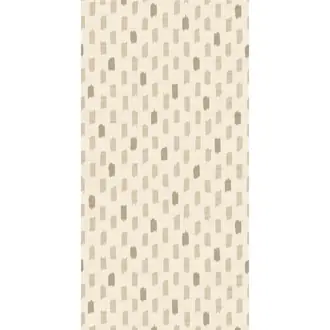


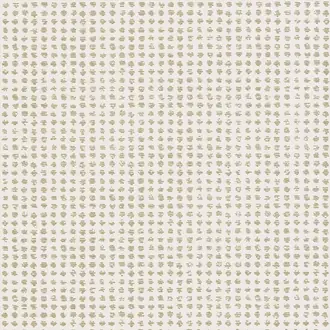


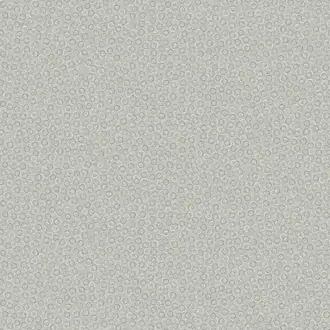


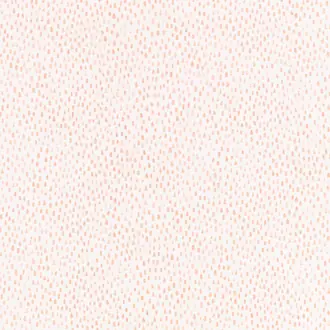





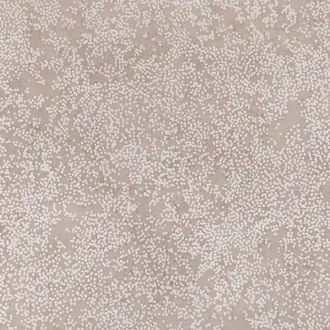


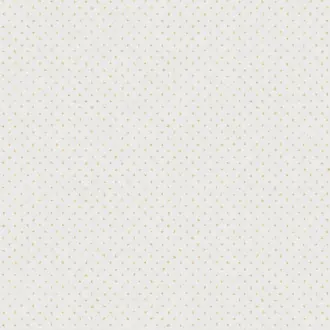


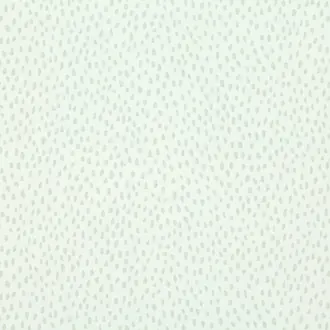

















Scale, spacing and surface
What Is Dot and Spot Wallpaper?
Dot and spot wallpaper uses repeated circular or mark-like motifs as its principal pattern. These may be arranged as orderly polka dots, scattered with deliberate irregularity or created through raised, glossy and metallic surfaces rather than printed colour alone.
The relationship between each dot and the surrounding ground is as important as the motif itself. Closely spaced dots can form a quiet continuous texture, while large circles or widely separated spots create a more visible rhythm across the wall.
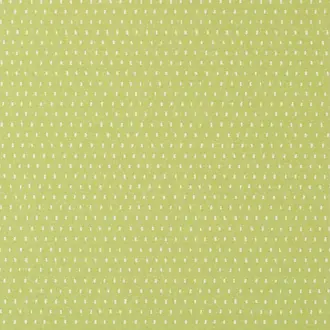
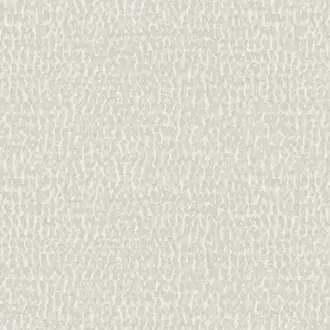
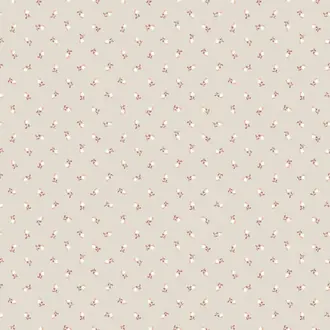
Regular polka dots
Recognisable circles repeat in an orderly formation, creating a clean and consistent rhythm across the wall.
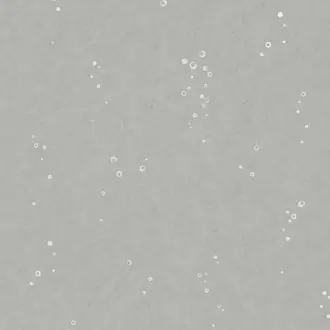
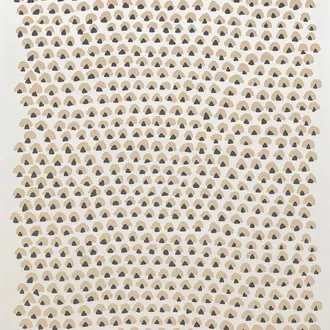
Irregular spots
Painterly outlines, uneven shapes and looser spacing produce a softer, more handmade interpretation of the pattern.
Textured dots
Embossing, glossy inks and metallic detail introduce pattern through relief and reflection as well as colour.

Orderly circles or painterly marks
Polka Dots Versus Irregular Spots
Polka dot wallpaper normally features recognisable circles arranged in a deliberate repeating formation. The circles may be small or large, but their regular placement gives the design a clear and ordered character.
Spot wallpaper is a broader description. Its marks may be painterly, uneven, loosely scattered or shaped by the printing process. These small variations soften the repeat and can make the wall feel less formally geometric.
Choose regular polka dots for clarity and rhythm, or irregular spots when you want movement with a more relaxed, handmade appearance.

Fine pattern with a quieter effect
Small-Scale Dot Wallpaper
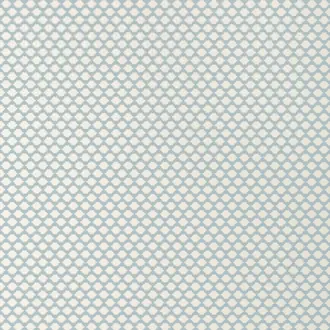
Small, closely repeated dots are among the easiest spotted designs to use. Viewed nearby, the individual marks remain clear; from farther away, they can blend into a finely patterned surface.
This makes a small-scale dot useful when a completely plain wall feels too flat but a large pattern would dominate the scheme. Tonal colourways can behave much like a semi-plain, while contrasting dots create a sharper visual rhythm.
Look at the pattern from several distances. A close product photograph may show each dot clearly without conveying how dense and continuous the complete wall will appear.

Relief, sheen and reflected light
Textured, Embossed and Metallic Dots
Not every dotted wallcovering relies on printed colour. Raised dots, glossy inks, metallic highlights and tactile surfaces can introduce pattern through changes in texture and reflection.
A tonal embossed dot may appear restrained when viewed directly and become more visible in side light. Metallic details react more strongly to windows and lamps, while matt and glossy combinations create a quieter shift across the surface.
Samples are particularly important for these designs because a screen cannot reproduce their relief, sheen or response to changing light.

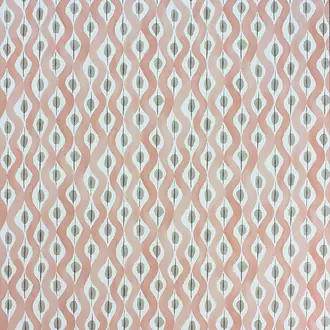
Discs, rings and circular formations
From Simple Dots to Circular Geometry
Some designs develop the dot into discs, rings, overlapping circles or more complex circular formations. These patterns sit between conventional polka dots and geometric wallpaper.
The effect is normally stronger than a small spotted repeat because the circular structure remains visible throughout the room. Restrained colours can balance the larger scale, while high contrast creates a more dramatic focal point.
Consider the complete repeat rather than judging one circle in isolation. Room photography and roll images help show how the neighbouring elements connect across the wall.
Choosing the right repeat
Consider Dot Size, Spacing and Contrast
A successful dot wallpaper depends on the relationship between the motif, the background and the complete repeat. Check technical dimensions and room photography alongside a physical sample before ordering.
View the full repeat
A small sample may contain only a handful of dots. Review the repeat dimensions or roll image to understand the complete spacing and arrangement.
Notice the background
The empty space between motifs can be more visually dominant than the dots themselves, particularly in widely spaced designs.
Check changing light
Embossed, glossy and metallic spots can change throughout the day. Position a sample on the intended wall and view it in natural and artificial light.

Samples and selection
Check Dot Scale, Colour and Surface at Home
A wallpaper sample lets you assess the true background colour, contrast and surface alongside paint, fabrics, flooring and furniture. Move it between walls and view it from both nearby and across the room.
Use the sample to judge material and colour, then refer to the complete repeat and room photography to understand how closely or widely the dots will appear across a larger surface.
Continue browsing
Related Designer Wallpaper
Frequently asked questions
Dot & Spot Wallpaper FAQs
What is the difference between polka dot and spot wallpaper?
Polka dots are normally recognisable circles arranged in an orderly repeat. Spot wallpaper is a broader category that can include irregular, painterly, scattered or hand-drawn marks.
Can dot wallpaper look sophisticated?
Yes. Small-scale repeats, restrained colour palettes, metallic detail and tactile finishes can make dotted wallpaper feel subtle and architectural rather than overtly playful.
Do small dots make wallpaper look plain?
Very small or tonal dots can merge visually from a distance and behave much like a semi-plain. Contrasting dots remain more apparent and create a stronger rhythm.
How does spacing change dot wallpaper?
Closely arranged dots create a denser and more continuous surface. Widely spaced dots reveal more of the background and make the individual motifs more noticeable.
Are large dots suitable for every wall?
Large circles create a prominent repeat, so compare the complete pattern with the width and height of the intended wall. Furniture and artwork may conceal or interrupt important parts of the design.
Why should I sample textured dot wallpaper?
Texture, relief and metallic finishes respond to light and viewing angle. A physical sample is the most reliable way to assess these qualities in the intended room.
Is dot wallpaper only suitable for children’s rooms?
No. Although colourful polka dots can suit children’s spaces, tonal dots, structured circular repeats and metallic or embossed finishes work equally well in sophisticated adult interiors.