



Oriental Wallpaper
Explore Oriental wallpaper inspired by the decorative arts, landscapes and craft traditions of China, Japan and wider East Asia. Discover delicate blossom, bamboo and bird motifs alongside expressive ink-style scenery, geometric forms and richly layered contemporary designs. From quietly elegant patterns to dramatic panoramic wallcoverings, this collection brings colour, artistry and a distinctive sense of place to both traditional and modern interiors.

Get A Quote

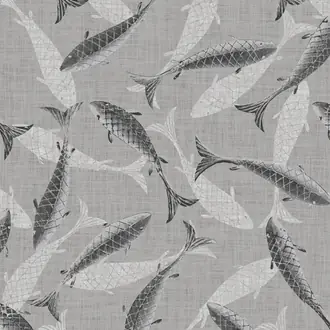
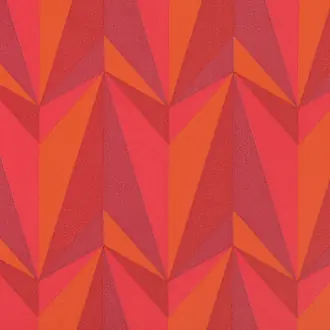


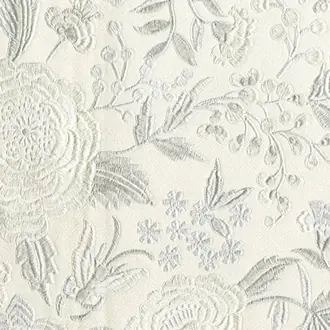


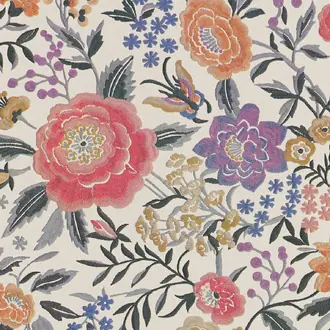


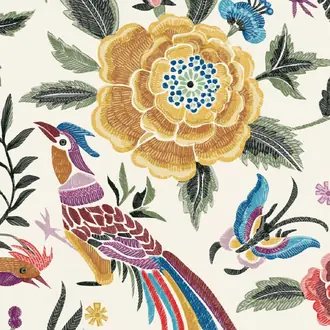

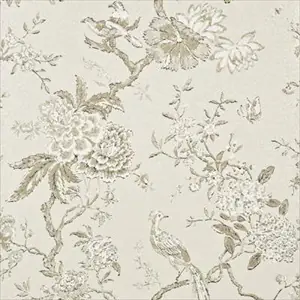
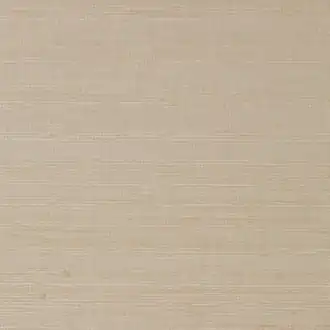


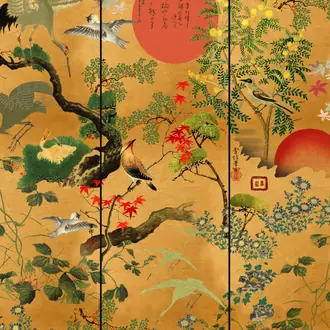


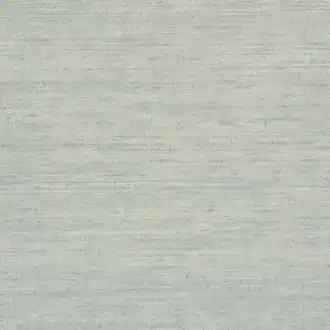
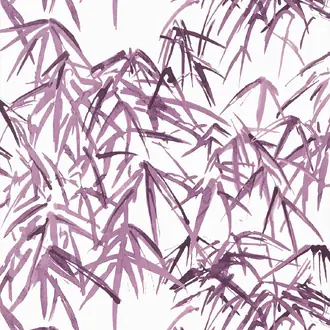


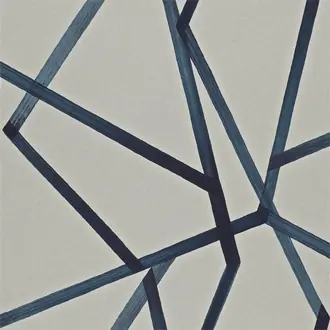


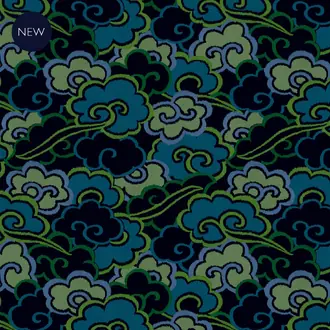

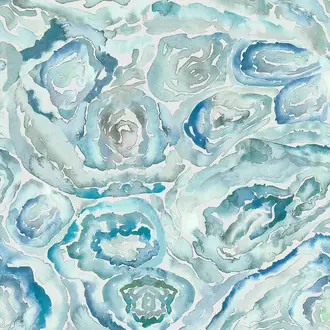
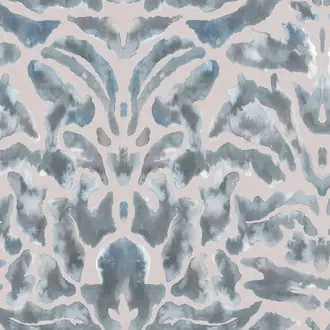
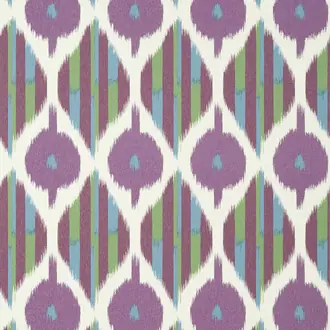


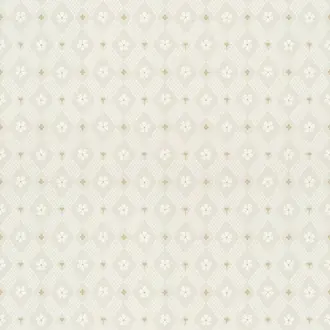


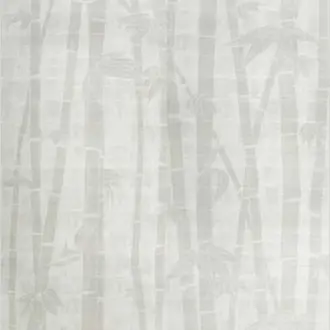


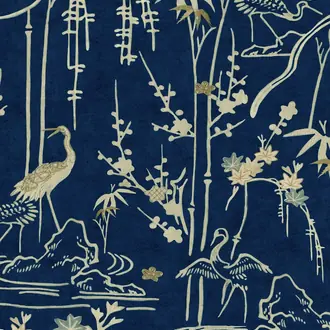


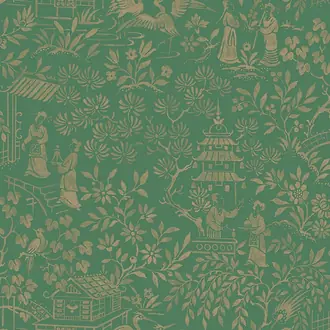


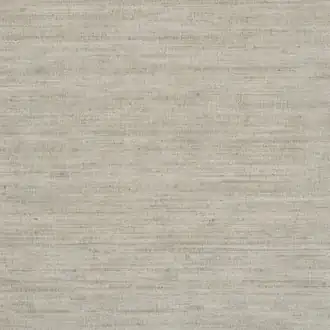
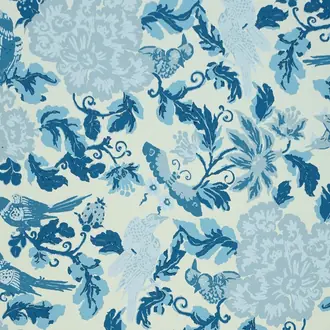


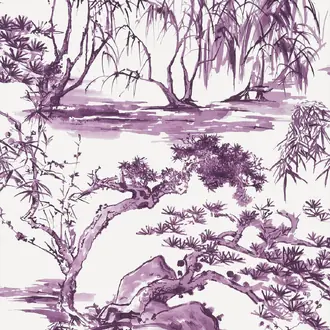

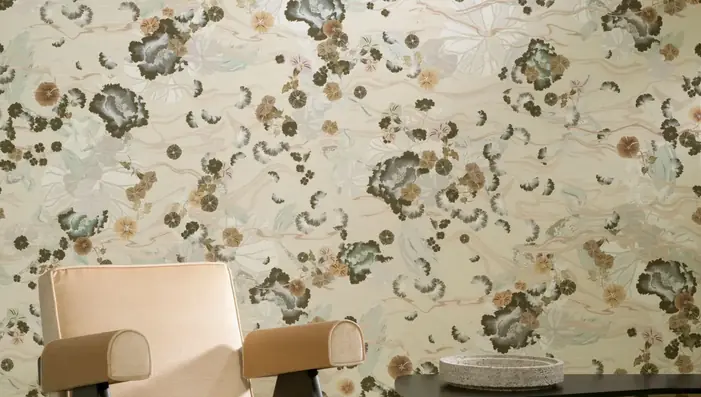
East Asian-inspired pattern and decoration
Chinese and Japanese Influences in Wallpaper
Oriental wallpaper is a broad decorative category encompassing designs influenced by China, Japan and other East Asian artistic traditions. Its patterns range from delicate blossom, bamboo and birds to atmospheric landscapes, folding screens and contemporary geometric surfaces.
The collection is defined by its visual references rather than one manufacturing method. Designs may be conventionally printed, digitally produced, metallic, textured or created as wide-width specialist wallcoverings.
Natural motifs
Blossom, bamboo, koi, cranes and other birds connect many patterns with gardens, water and the changing seasons.
Landscape and narrative
Mountains, pavilions and painted scenery can form a repeating pattern or extend across the wall as an immersive panorama.
Craft and geometry
Origami, kimono textiles, screens and graphic linework inspire quieter textures as well as strongly architectural designs.

Landscape, water and delicate linework
Scenic Oriental Wallpaper
Scenic patterns translate painted landscapes, gardens and architectural details into repeating wallpaper. Fine blue-and-white drawing can feel light and porcelain-like, while deeper colours and larger compositions produce a more enveloping effect.
Allow enough uninterrupted wall for the scenery to be understood. In rooms with several doors or windows, a smaller repeat may retain its composition more successfully than a large panoramic design.
Blue-and-white wallpaper works naturally with timber, lacquer, ceramics and plain upholstery. Pulling one restrained accent colour from the design into cushions or curtains can unify the scheme without competing with the wall.

Textile pattern, colour and ornament
Kimono-Inspired and Decorative Wallpaper
Kimono-inspired wallpaper draws on layered textiles, intricate floral motifs and expressive combinations of colour. These designs can behave like artwork across the wall, especially where individual panels or overlapping patterns remain clearly visible.
A highly decorative wallcovering benefits from visual breathing space. Simple furniture silhouettes, quiet flooring and carefully chosen plains allow the detail to remain the focus rather than turning the room into a competition of patterns.
For a cohesive palette, select one dominant colour and one smaller accent from the wallpaper. These can guide upholstery and accessories without attempting to reproduce every colour in the design.

Traditional reference, contemporary interior
Modern Oriental Wallpaper
Contemporary interpretations may isolate a familiar motif, simplify the drawing or translate traditional references into texture and geometry. The result can feel distinctly East Asian-inspired without requiring a conventionally traditional room.
Deep indigo, charcoal and mineral tones create a tailored backdrop for modern furniture. Metallic lines or relief introduce changing highlights, making the surface more apparent in directional daylight and evening wall lighting.
These quieter interpretations are suitable for bedrooms, dining rooms and living spaces where texture and atmosphere matter as much as recognisable pattern.
Choosing the right design
Consider Scale, Detail and Cultural Reference
Oriental wallpaper covers a wide visual spectrum. Compare the complete repeat, room photography and a physical sample so that the design’s scale, colour and surface are understood before ordering.
Check the complete repeat
Large landscapes and narrative patterns may not be fully represented by a small cutting. Review the stated repeat and full room image together.
Balance detailed pattern
Combine intricate scenery or ornament with plains and quieter textures. If another pattern is introduced, vary its scale and visual density.
Read the product details
The category includes printed papers, wide-width wallcoverings and specialist surfaces. Confirm width, match, backing and hanging instructions for the exact product.

Samples and material effects
Compare Oriental Wallpaper in Your Room
A physical sample reveals the true ground colour, line quality, surface texture and reflection. View it in both daylight and artificial light, and place it alongside the flooring, paint, furniture and fabrics already intended for the room.
For large-scale scenery, use the sample to assess colour and finish but also consult the complete repeat and room images. A small cutting may show only one fragment of the overall composition.
Specialist wallcoverings can differ in width, backing and installation method. Always check the individual specification and hanging instructions before ordering.
Related decorative categories
Oriental Wallpaper and Chinoiserie
Oriental Wallpaper is the broader collection for Chinese, Japanese and wider East Asian-inspired designs. Chinoiserie is a more specific European decorative interpretation of Chinese and East Asian imagery, often featuring imagined garden scenes, pagodas, flowering branches and exotic birds.
Some designs can reasonably relate to both categories, but the two pages are not interchangeable. Browse by the dominant character of the pattern and compare the complete design rather than relying on the category name alone.
Frequently asked questions
Oriental Wallpaper FAQs
What is Oriental wallpaper?
Oriental wallpaper is a broad retail category for designs influenced by Chinese, Japanese and wider East Asian art and decoration. Common references include blossom, bamboo, birds, koi, landscapes, screens, textiles and geometric craft traditions.
What is the difference between Oriental and chinoiserie wallpaper?
Oriental Wallpaper is the broader category for East Asian-inspired designs. Chinoiserie specifically describes a European decorative interpretation of Chinese and East Asian subjects. Some products overlap, but chinoiserie is only one part of the wider category.
Can Oriental wallpaper work in a contemporary room?
Yes. Simplified blossom, ink-style drawing, geometric surfaces and deep tonal colourways work particularly well with contemporary furniture. Traditional scenic patterns can also provide deliberate contrast in a restrained modern interior.
Which rooms suit Oriental wallpaper?
It can work in bedrooms, dining rooms, living rooms, hallways and studies. Pattern scale and colour matter more than the room label: a quiet tonal design can cover every wall, while an elaborate panorama needs sufficient uninterrupted space.
How should I coordinate an intricate Oriental wallpaper?
Choose one principal colour and one smaller accent from the wallpaper, then use plain or subtly textured fabrics and finishes around it. This supports the design without reproducing all of its ornament elsewhere.
Should I order a wallpaper sample first?
Yes. A sample helps assess colour, texture and reflection under the room’s own light. For large designs, also consult the full repeat and room photography because a cutting may show only a small part of the composition.
Are all Oriental wallcoverings installed in the same way?
No. The collection can include conventional wallpaper, wide-width wallcoverings and specialist textured products. Check the width, backing, pattern match and manufacturer’s installation instructions for the exact design.