


Multi Wallpaper
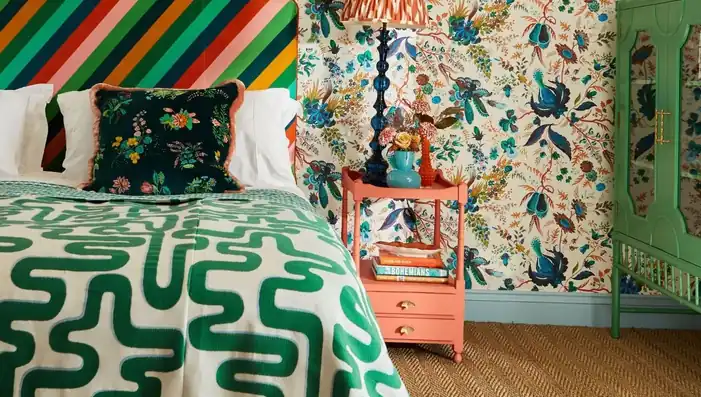
Explore designer multicoloured wallpaper where several colours contribute meaningfully to the overall design. The collection brings together expressive florals, painterly murals, geometrics, scenic patterns and playful illustrations in palettes ranging from softly muted to confidently bright.
A multicoloured design can provide the starting point for an entire room scheme. Select one quieter shade from the wallpaper for paint, curtains or upholstery, then use the stronger colours more selectively. Samples are available across many designs so you can assess the complete palette, scale and finish at home.

Get A Quote


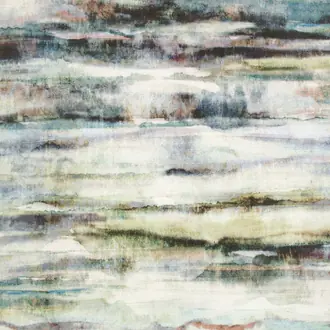
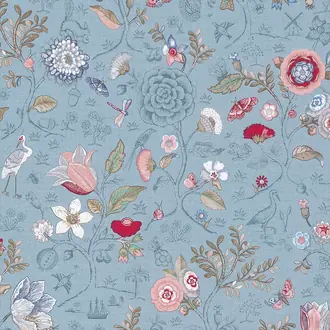
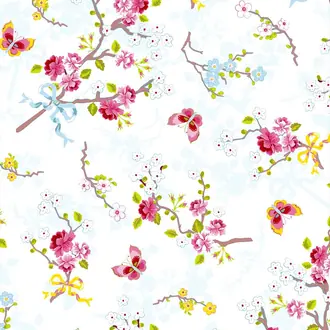

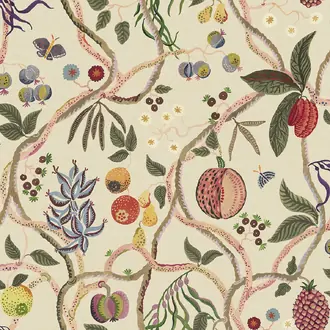

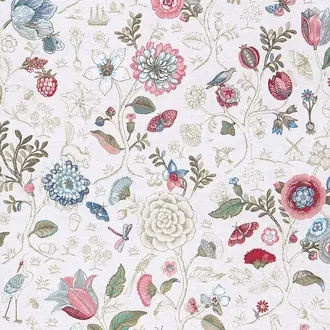
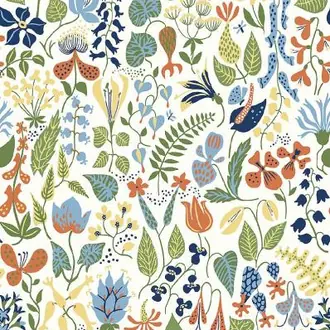
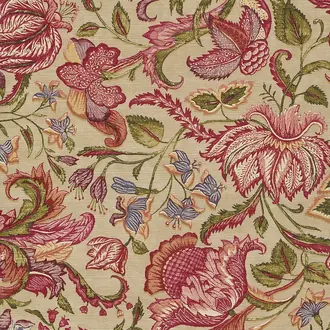


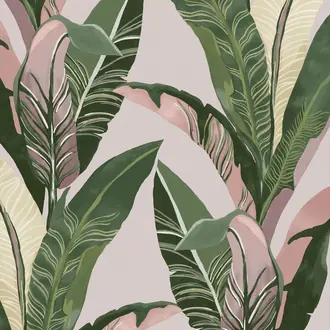
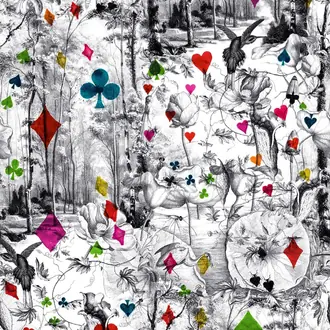
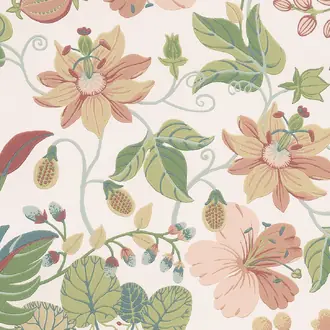

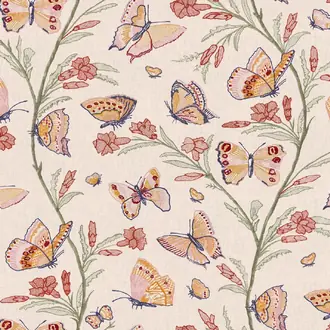

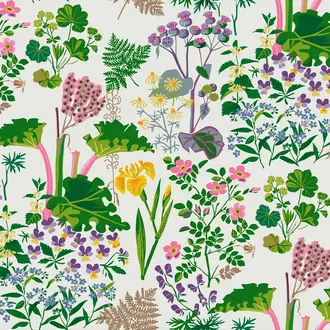
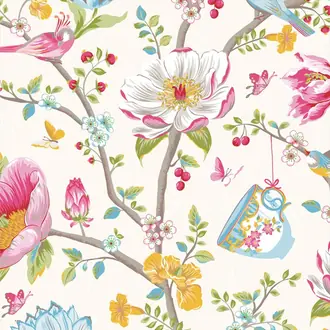
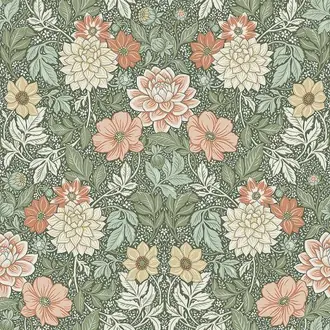
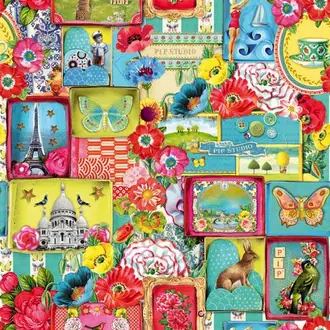
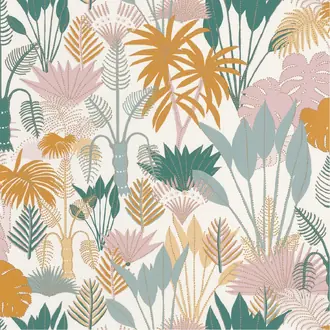

One design, a complete colour palette
Multicoloured Wallpaper Beyond a Single Dominant Shade
Multicoloured wallpaper combines several meaningful colours within one design. It may be bright and expressive, but it can also use muted pigments, chalky pastels or closely related natural shades to create a more restrained layered effect.
The advantage is flexibility. A varied wallpaper can connect furniture, fabrics, flooring and paint that might otherwise feel unrelated. The design provides an existing palette from which the rest of the room can be developed.
Bright and expressive
Clear contrasting colours create energy and make the wallpaper a confident focal point.
Muted and tonal
Softened pigments, pastels and earthy shades provide variety without overwhelming the room.
Pattern-led palettes
Florals, geometrics and murals distribute colour differently, changing which shades appear dominant at a distance.

Colour expressed through flowers and foliage
Multicoloured Floral and Botanical Wallpaper
Floral and botanical wallpaper is one of the most natural ways to combine several colours. Leaves, flowers, birds and decorative grounds distribute the palette across the wall rather than presenting it as uninterrupted blocks.
Choose one quieter background or foliage shade for paint and larger furniture. Brighter flower colours can then reappear in cushions, lamps or smaller accessories without every element needing to match.
Large florals feel immersive and need clear wall space. Smaller repeats adapt more easily around windows, doors and fitted joinery.

A graphic arrangement of colour
Multicoloured Geometric and Abstract Wallpaper
Geometrics and abstract designs organise colour through line, shape and rhythm. Regular repeats feel ordered, while painterly marks and oversized forms create a looser, more artistic wall treatment.
A design containing several strong colours can work with simple furniture and restrained paint. Where the palette is softer, texture and shape may provide more of the visual interest than contrast.
Consider the pattern at full scale. A small sample is useful for colour and material, but a room image or technical repeat diagram is needed to understand the complete composition.

An immersive composition across the wall
Multicoloured Scenic and Mural Wallpaper
Scenic and mural wallpapers use colour across a larger composition. Landscapes, gardens and expressive painted surfaces can make the wall feel deeper and more atmospheric than a repeating pattern.
Plan the composition around doors, windows, fireplaces and furniture. Identify where the principal features and strongest areas of colour will sit before confirming the panel sequence.
Use a supporting neutral or one subdued colour from the mural on adjacent walls. This gives the image space without disconnecting it from the wider room.

Varied colour with a quieter character
Muted, Pastel and Heritage Multicoloured Wallpaper
Multicoloured does not have to mean vivid. Heritage florals, tapestry effects, faded scenic designs and pastel illustrations can contain many colours while maintaining a calm overall impression.
These designs work well with aged timber, linen, wool and softly painted surfaces. Their quieter palette can also connect antique furniture with contemporary pieces without forcing a strict period scheme.
View the wallpaper from several metres away as well as close up. Individual colours may merge into a more neutral overall tone once the complete repeat is seen.

Pattern with energy and personality
Playful and Children's Multicoloured Wallpaper
Illustrative, animal and children's wallpapers often use several colours to build a story. The result can be playful without becoming temporary when the artwork is well drawn and the palette connects with the rest of the room.
Choose furniture and storage in one or two quieter colours from the design. This keeps the room practical and allows accessories to change as tastes develop.
For bedrooms and playrooms, check whether important motifs will remain visible above beds, wardrobes and shelving before deciding where the pattern should begin.
Building the room around several colours
Let the Wallpaper Establish the Palette
A multicoloured wallpaper already contains a tested colour relationship. The room becomes easier to coordinate when you select colours from the design rather than introducing unrelated shades.
Choose a foundation colour
Use the background or one quieter recurring shade for paint, flooring and larger pieces of furniture.
Repeat stronger colours selectively
Bring brighter shades into cushions, artwork or smaller upholstery rather than matching every colour in equal quantities.
Judge the complete repeat
Stand back from the sample or view the room image. The dominant colour at a distance may differ from the individual details seen close up.

Samples and selection
Compare the Complete Palette at Home
Screens can change the balance between colours and make certain shades appear more prominent than they are. A physical sample shows the true background, print detail, texture and relationship between warm and cool colours.
View the sample vertically beside paint, flooring, curtains and upholstery in natural and artificial light. For murals and very large patterns, use the sample for colour and material, then check the full image for composition and scale.
Continue browsing
Related Designer Wallpaper
Frequently asked questions
Multicoloured Wallpaper FAQs
What is classed as multicoloured wallpaper?
Multicoloured wallpaper contains several colours that contribute meaningfully to the overall design. A simple two-colour stripe or monochrome pattern would normally remain within its individual colour families rather than being treated as Multi.
How do I decorate around multicoloured wallpaper?
Start with the wallpaper's background or one quieter recurring shade for paint and larger furniture. Repeat stronger colours in smaller quantities through cushions, artwork, lamps or accessories.
Can multicoloured wallpaper work across a complete room?
Yes. Muted florals, tapestry effects, softly painted scenes and patterns with a calm background can work particularly well across several walls. Brighter high-contrast designs may create a more immersive result or suit a defined focal wall.
Will multicoloured wallpaper make a room look too busy?
Not necessarily. Scale, contrast and the amount of visible wall matter as much as the number of colours. Keeping furniture shapes simple and repeating only a few wallpaper colours elsewhere helps the room feel connected.
Is multicoloured wallpaper suitable for children's rooms?
Yes. Illustrative, animal and scenic designs can create a flexible palette for paint, furniture and accessories. Select a design with enough visual longevity and check where principal motifs will sit around beds and storage.
What paint colour works with multicoloured wallpaper?
The safest choice is normally the wallpaper's background or its quietest recurring neutral. Using an exact colour already present in the design creates a deliberate connection without adding another competing shade.
Why should I order a multicoloured wallpaper sample?
A sample shows which colours are genuinely dominant, how the background reads in your light and whether any printed, woven or metallic details alter the balance of the palette.
Do multicoloured murals require professional installation?
Many murals, panels and wide-width wallcoverings benefit from an experienced installer. Follow the manufacturer's wall preparation, panel sequence, trimming, adhesive and hanging instructions for the specific product.