



Glass Bead Wallpaper
Discover glass bead wallpaper with genuine bead-applied surfaces that catch, reflect and refract the light. From softly shimmering plains to intricate botanical and geometric patterns, these specialist wallcoverings bring tactile depth and a distinctive, jewel-like finish to an interior.

Get A Quote





















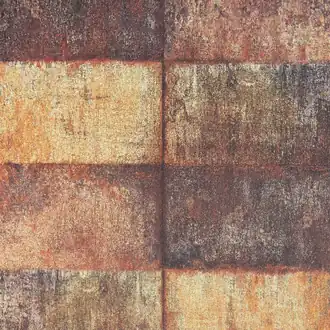
Light-catching specialist surfaces
What Is Glass Bead Wallpaper?
Glass bead wallpaper is finished with small glass beads fixed to a backing or used to pick out part of a design. Unlike a flat printed shimmer, the bead-applied surface has physical texture and interacts with light from different directions.
The category includes densely beaded plains, layered mineral effects and patterns where beads define selected lines or motifs. Construction, backing and bead coverage vary, so the individual product specification remains important.
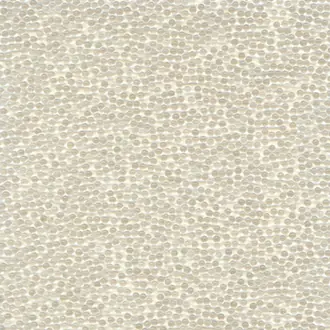
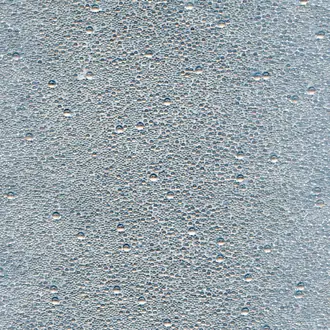
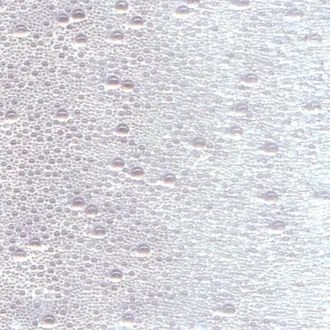
All-over bead surfaces
Closely applied beads create a continuous reflective field with a rich, jewel-like texture.
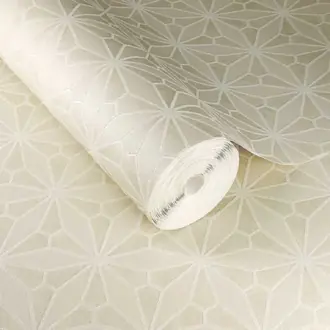
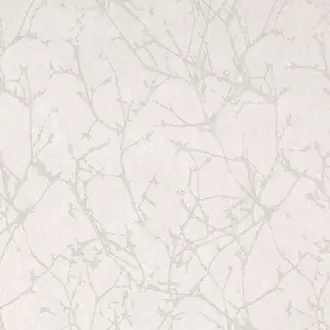
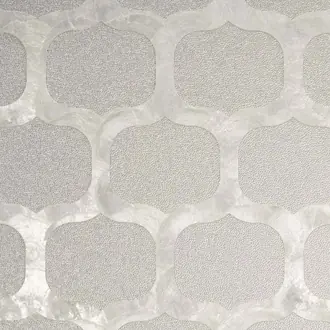
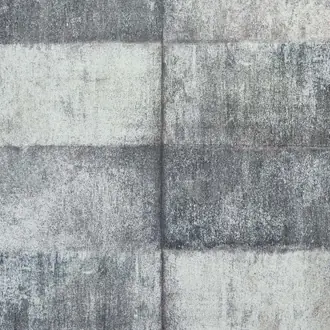
Patterned bead detailing
Beads can trace branches, latticework or ornamental motifs against a quieter ground.
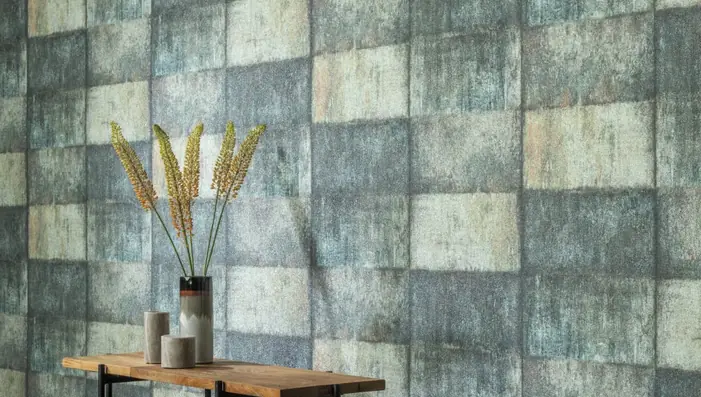
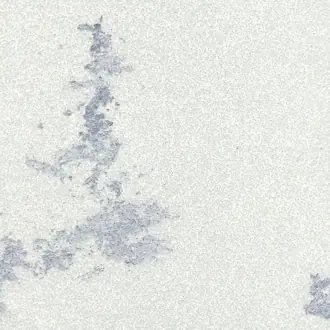
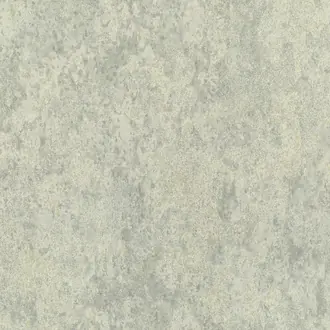
Layered mineral effects
Different bead sizes, colours and grounds can produce stone-like depth and changing tonal movement.

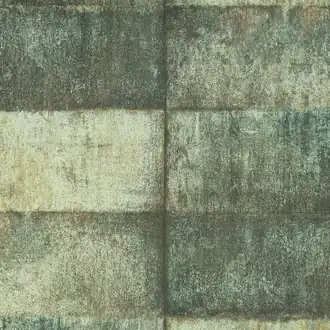
Genuine bead-applied wallcovering
More Than a Sparkling Print
In genuine glass bead wallcovering, the decorative surface is built from real beads rather than an illustration of them. Maya Romanoff's Beadazzled, for example, is handcrafted with glass beads on a non-woven backing.
This construction gives the wall a tactile, light-responsive finish. It may appear softly luminous from one position and more intensely reflective from another, especially under directional lighting.
Natural variation and visible seams can be inherent to specialist handmade surfaces. They should be understood as part of the material rather than judged by the standards of an ordinary printed wallpaper.

Texture, reflection and refraction
How Glass Beads Change the Surface
Each bead catches light across a curved surface. Together they create a granular lustre that is different from the flatter flash of metallic foil or the scattered sparkle of a conventional glitter finish.
Fine, closely packed beads tend to read as a luminous texture from across the room. Larger or mixed beads make the construction more visible and can produce a stronger mineral or crystalline character.
The effect depends on light level, viewing angle, bead colour and the ground beneath them. A physical sample is therefore much more informative than an on-screen colour alone.

Pattern picked out in light
From Quiet Texture to Decorative Motif
Glass beads do not have to cover the whole wall. In patterned designs they can highlight selected lines, leaves or geometric forms, allowing the image to appear more pronounced as the lighting changes.
Tonal beadwork offers a restrained result suited to larger areas, while strong contrast and metallic grounds create a more dramatic feature. The underlying motif may be botanical, geometric or abstract—the glass bead describes the finish, not the pattern family.
When comparing designs, consider how much of the wall is beaded as well as the colour and repeat. This affects both the visual impact and the way the surface reads at a distance.
Before ordering
Check Construction, Seams and Care
Glass bead wallcoverings are specialist finishes. Their specifications can differ considerably, even when the products look similar online.
Confirm genuine beads
Check that the composition or supplier description confirms glass beads rather than only a printed sparkle or metallic effect.
Understand the format
Widths, roll lengths, minimum orders, repeats and backing types vary. Some designs are supplied in specialist panel or short-roll formats.
Follow the exact instructions
Weight, trimming and surface sensitivity affect installation. Use the manufacturer's current guidance and an experienced installer where recommended.

Samples and specification
View the Beads in Your Own Light
Place the sample vertically and examine it in daylight, evening light and any directional lighting planned for the room. Move around it rather than viewing it from only one position.
Look closely at bead density, ground colour, texture and expected seam visibility. Because screens cannot reproduce reflection accurately, the sample should guide the final decision.
Continue browsing
Related Designer Wallpaper
Frequently asked questions
Glass Bead Wallpaper FAQs
Is glass bead wallpaper made with real glass?
Genuine examples use small glass beads fixed to a backing or applied over selected parts of a design. Always check the individual composition because some wallpapers imitate a beaded appearance using print, glitter or metallic pigment.
How is glass bead wallpaper different from glitter wallpaper?
Glass bead wallpaper has a bead-applied, tactile surface that reflects and refracts light. Glitter wallpaper generally uses much finer sparkling particles. Some products can legitimately belong to both categories, but the terms are not interchangeable.
Are the seams visible?
They can be. Seam visibility is inherent in some densely beaded and handmade wallcoverings. Colour, bead density, lighting and installation all influence how strongly joins read on the wall.
Can glass bead wallpaper be cleaned?
Care instructions vary. Many specialist bead-applied surfaces require gentle treatment and should not be scrubbed or exposed to aggressive cleaners. Follow the exact manufacturer's guidance for the selected product.
Where does glass bead wallpaper work best?
It is particularly effective where daylight or controlled artificial light can reveal the surface. It may be used across a room or as a feature, depending on the scale, reflectivity and atmosphere required.
Does glass bead wallpaper require professional installation?
Professional installation is advisable for specialist, heavy, handmade or untrimmed products. The installer should follow the supplied instructions because adhesive, cutting and seam methods vary by construction.