







































Traditional and toile
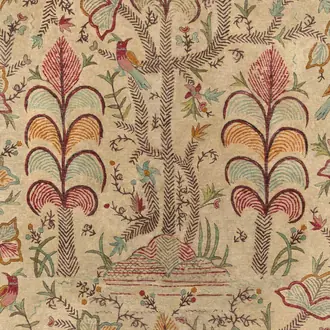
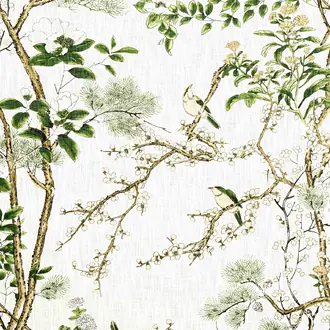
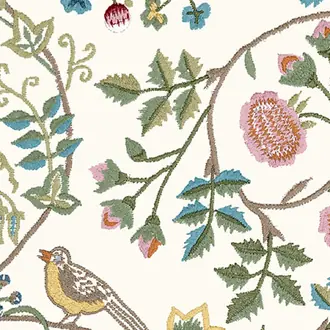
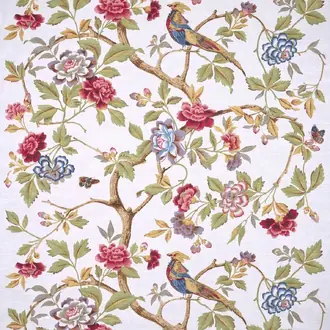
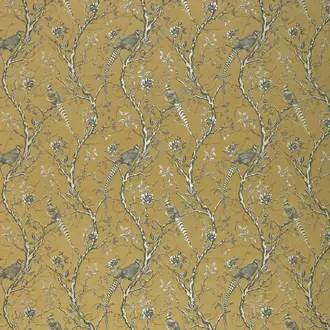
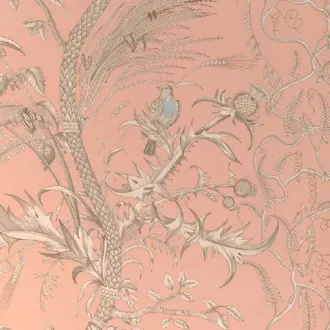
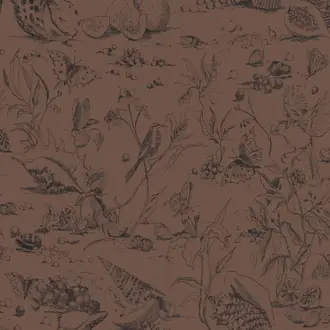
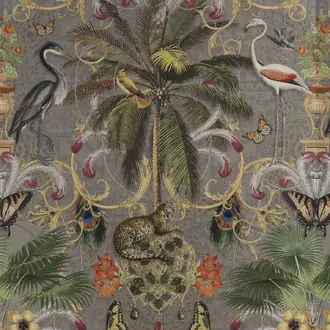
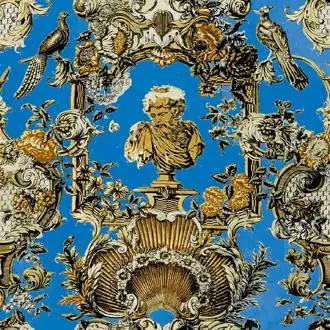
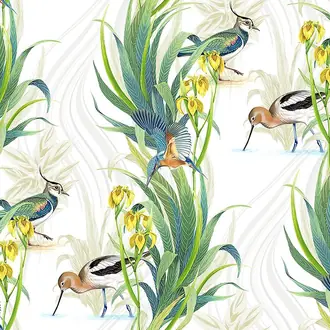
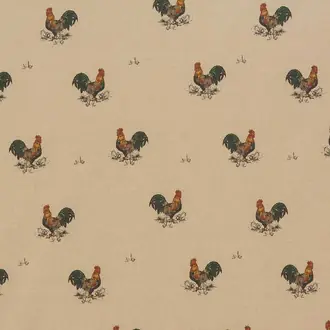
Fine linework, archive references and scenic repeats bring an established decorative character.

No products matched “”.
No matches for “”.
 1722 reviews

Pattern and character
Bird fabric can be delicate and observational, richly decorative or playfully stylised. Some designs place small birds among branches and flowers; others use cranes, peacocks or birds in flight as the dominant motif. The species, drawing style, spacing and colour determine whether the pattern feels restful or theatrical.
Look at a complete pattern image as well as the sample. A small cutting may show foliage or background colour without revealing every bird or the overall direction of the design.
Fine linework, archive references and scenic repeats bring an established decorative character.
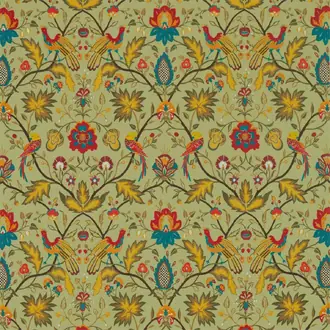
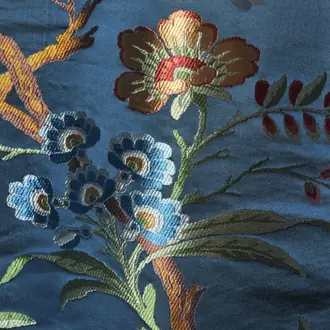
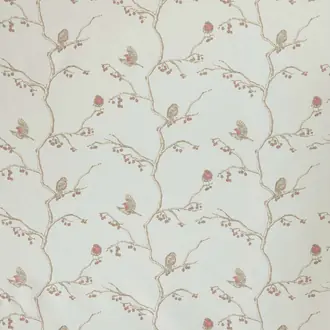
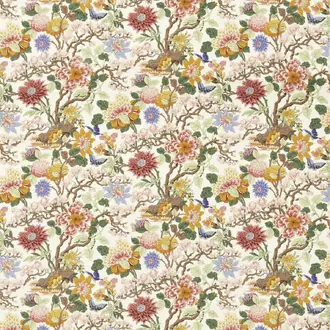
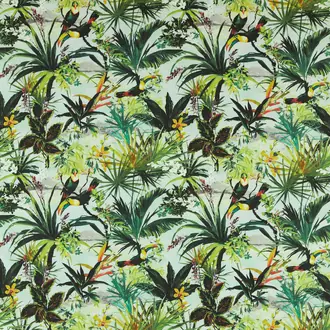
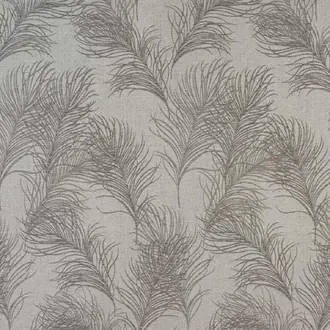
Flowers, leaves and branches create a layered pattern that connects easily with floral schemes.
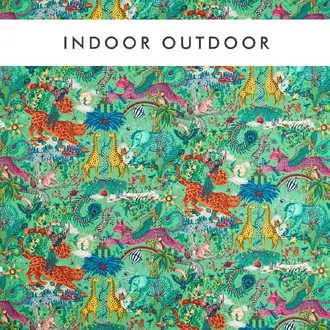
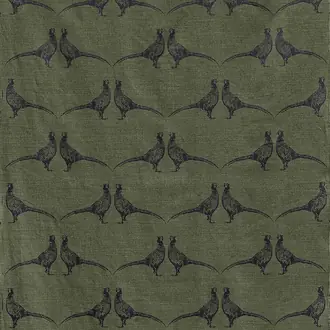
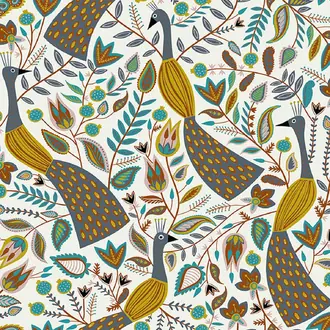
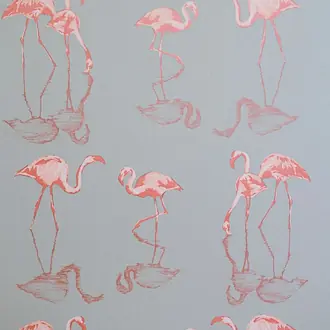
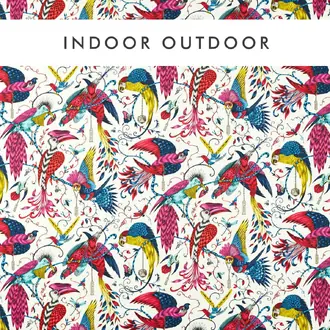
Simplified silhouettes, expressive colour and birds in motion give the subject a fresher graphic quality.

Windows and drapery
Full-length curtains provide enough surface for scenic and large-scale bird patterns to unfold. A generous repeat can become a central feature, while smaller birds among foliage create a softer layer of detail.
Gathering and pleating hide parts of the design inside the folds. Check the usable width and vertical repeat, and allow for matching across joined widths when calculating the quantity.

Pattern placement
A Roman blind displays bird fabric on a relatively flat panel, making the drawing and repeat easy to appreciate when the blind is lowered. It works particularly well for balanced motifs, climbing branches and compact scenes.
Consider which part of the design should sit at the centre of the finished blind. On narrow windows or large repeats, careful positioning can be more important than showing every element.

Furniture and scale
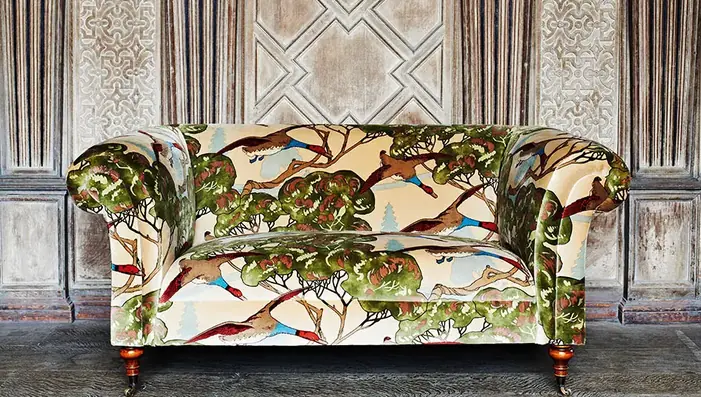
On an armchair, ottoman or headboard, a bird motif can turn the furniture into a focal point. Medium and large birds need sufficient uninterrupted surface, while smaller all-over designs adapt more easily to curved arms, cushions and detailed frames.
Choose a fabric whose specification explicitly includes upholstery. Your upholsterer should plan motif placement, cutting direction and matching across seams before confirming the required quantity.

Natural companions
Many bird fabrics combine the subject with leaves, blossom, berries or woodland plants. These layered patterns sit naturally beside floral and botanical fabrics, but the bird motif gives the scheme an additional sense of life and narrative.
For coordination, select one colour from the background or plumage and repeat it in a plain, stripe or smaller-scale pattern. Varying the scale prevents several detailed fabrics from competing.

Archive influence
Birds have long appeared in printed textiles, from pastoral toile and finely engraved studies to chinoiserie scenes of exotic birds among flowering branches. Modern recolourings can preserve this detail while making an archive-inspired design easier to use in a contemporary room.
The complete repeat is especially important with narrative patterns. Check whether the design is directional and decide which scene or bird should be most visible on the finished item.

Shape and movement
Contemporary designs may reduce birds to silhouettes, emphasise the sweep of wings or place them within waves and abstract landscapes. Limited palettes make the subject feel graphic, while hand-drawn and painterly marks retain movement.
These interpretations work well where a realistic botanical print would feel too traditional. Pair them with uncomplicated plains and textures so the rhythm of the bird pattern remains clear.

Repeat and proportion
Small scattered birds can read as a gentle all-over pattern, whereas cranes, peacocks and broad scenic designs need room for their outlines and surroundings. Judge the scale against the finished curtain, blind or piece of furniture rather than the product thumbnail alone.
Natural linen and textured grounds can soften printed detail and suit relaxed schemes. Smoother cloths generally produce a sharper line, although performance and application must always be confirmed from the individual specification.
Specify with confidence
A sample lets you assess the true colour, texture, weight and printed detail in your own light. For large or scenic designs, also consult the full-width image and published repeat because a small sample may contain foliage or background without showing the complete bird motif.
Continue browsing
Frequently asked questions
Yes, many bird fabrics are designed for curtains. Check the recommended use, usable width and pattern repeat, and allow for matching when adjoining fabric widths are joined.
Choose a design whose individual specification explicitly includes upholstery. Review its abrasion performance and care information, then ask your upholsterer to plan motif placement across panels and seams.
Bird motifs have a strong history in toile, chinoiserie and botanical textiles, but the subject is not limited to traditional interiors. Simplified silhouettes, unusual colour and expressive drawing can give bird fabric a contemporary character.
Compare the complete repeat with the size of the finished item. Small all-over birds adapt easily to cushions and compact blinds, while larger birds and scenic designs need more visible surface.
Yes. Many bird designs already include flowers or foliage. Coordinate through a shared colour and combine different pattern scales so that each fabric remains distinct.
A sample is cut from a larger repeating design and may show only its background or botanical elements. Use the sample to assess colour and texture, and consult the full-width image and repeat dimensions to understand the complete pattern.
Birds and branches often have a clear upright direction. Confirming this before cutting helps ensure the motif faces correctly and allows the maker to calculate quantities accurately.
Prices and taxes are calculated based on your country.
Some items may not be available for delivery to every country — we will tell you at the basket or checkout if anything cannot be sent.
Necessary cookies enable core functionality such as page navigation, your shopping basket and secure checkout. The site cannot work properly without them.
| Cookie | Provider | Duration |
|---|---|---|
| __cf_bm | Cloudflare | 30 minutes |
| cf_clearance | Cloudflare | Varies |
| ect_consent | First party | 180 days |
| ectcartcookie | First party | Session |
| ecthash | First party | Session |
| ectordid | First party | Session |
| ectsessid | First party | Session |
| PHPSESSID | First party | Session |
Preference cookies let the site remember choices you make (such as your region or recently viewed items) for a more personal experience.
| Cookie | Provider | Duration |
|---|---|---|
| ect_country_popup_shown | First party | 1 day |
| WRITECLL | First party | Persistent |
| WRITECLP | First party | Persistent |
Statistics cookies help us understand how visitors use the site by collecting and reporting information anonymously.
| Cookie | Provider | Duration |
|---|---|---|
| _ga | Google Analytics | 2 years |
| _ga_ | Google Analytics | 2 years |
| _hj | Hotjar (via Google Tag Manager) | 30 minutes - 1 year |
| fs_uid | FullStory (via Google Tag Manager) | 1 year |
Marketing cookies track visitors across sites to display relevant ads and measure campaign performance.
| Cookie | Provider | Duration |
|---|---|---|
| __kla_id | Klaviyo | 2 years |
| _gcl_ | Google Ads (via Google Tag Manager) | 90 days |
| id1 | First party | ~6 months |
| id2 | First party | ~6 months |
| IDE | Google DoubleClick (third-party, doubleclick.net) | 13 months |
| PARTNER | First party | Persistent |