













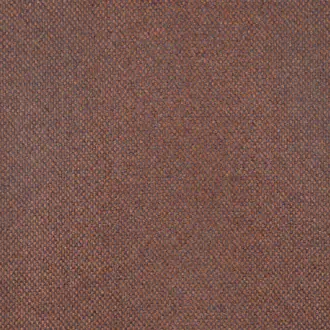
Recycled polyester
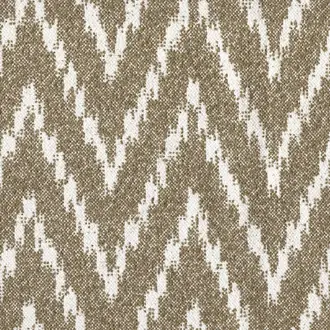
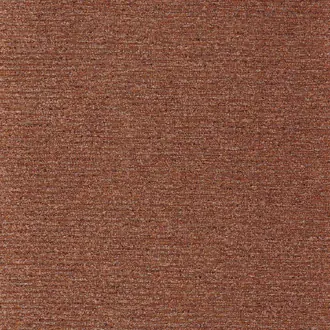
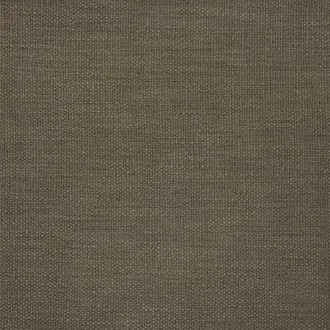
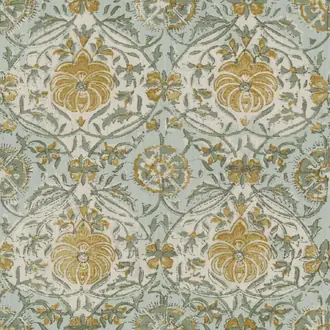
Available across practical plains, textured weaves, performance fabrics and decorative designs for several interior applications.

No products matched “”.
No matches for “”.
 1716 reviews
Explore designer fabrics selected for their documented recycled content. The collection includes curtain, upholstery, contract and outdoor fabrics made with recycled polyester, wool, cotton and other recovered fibres. Environmental characteristics differ between products. Review each fabric’s composition and technical information to understand the recycled material, percentage and certification recorded for that particular design, and order a sample before making your final selection.


Start with the specification
Recycled fabric incorporates fibre recovered from an existing source rather than relying entirely on newly produced raw material. Depending on the product, this may include polyester made from used plastic bottles, fibre recovered from textile waste, or recycled wool and cotton blended with other yarns.
The amount and source of recycled material are not the same across every fabric. This collection is therefore based on product-level composition and manufacturer information, rather than assuming that one fibre or brand is automatically environmentally preferable.
Available across practical plains, textured weaves, performance fabrics and decorative designs for several interior applications.
Some fabrics include recovered wool or cotton, either alone or combined with other fibres to achieve the required handle and performance.
Blended constructions can balance recycled content with durability, texture, drape or specialist performance. Check the full composition carefully.

Furniture and everyday use
Recycled yarns are used in upholstery fabrics ranging from softly textured plains to expressive contemporary weaves. The recycled content describes the material; it does not by itself confirm whether a fabric is suitable for a particular chair, sofa or headboard.
Check that upholstery is included in the recommended use and review the Martindale result, care instructions, fire-treatment requirements and any performance finish. An upholsterer should also confirm quantity and suitability for the furniture concerned.

Colour, texture and drape
Recycled-content curtain fabrics include textured plains, sheers and decorative weaves in a broad range of colours. Their appearance can be as refined and varied as fabrics made entirely from virgin fibre, so the practical specification remains as important as the recycled content.
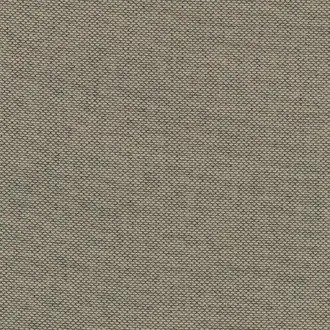
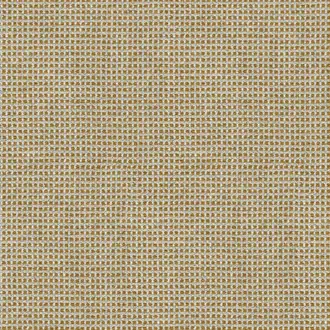
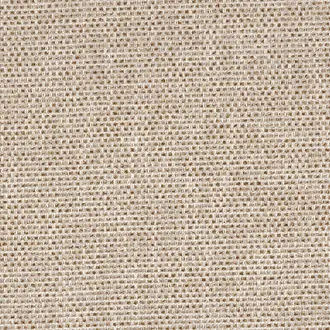
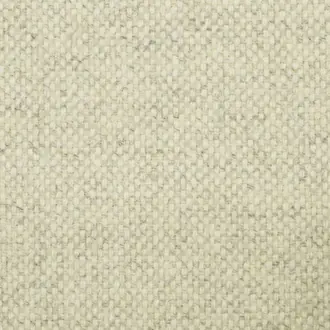
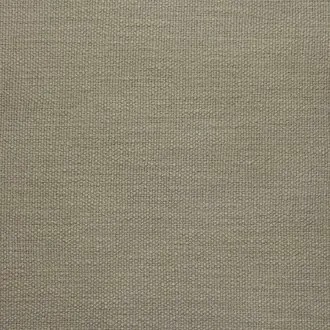
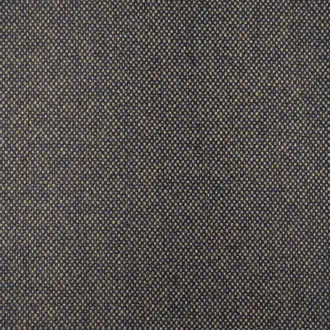
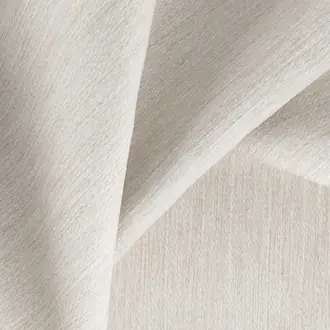
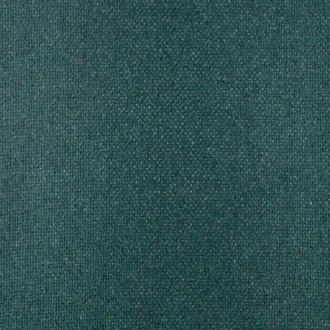
Review weight, usable width, pattern repeat and recommended use before calculating quantity. A sample will help you assess the handle and colour, while larger imagery shows how the surface responds to folds and changing light.

Specified performance
Hospitality, workplace and other commercial schemes may require recycled content alongside demanding technical performance. Collections from specialist contract brands can combine recycled yarns with abrasion resistance, flame-retardant performance, acoustic qualities or easier maintenance.
Requirements vary by project and jurisdiction. Confirm the precise recycled composition, certification, test results and intended end use for the selected colourway rather than relying on a collection-level description.

Performance beyond the interior
Some performance fabrics use recycled yarns while offering the colour and durability required for terraces, garden rooms and poolside settings. Recycled content and outdoor suitability are separate characteristics, and both need to be confirmed for the individual product.
Check the manufacturer’s information for resistance to fading, moisture, mould and staining. Outdoor cushions may still require protection, ventilation or storage when they are not in use.

Read claims precisely
A stated recycled percentage tells you how much of the composition is recycled. Global Recycled Standard information can provide additional support for recycled content and its chain of custody, but certification should only be attributed to a product where the manufacturer specifically records it.
OEKO-TEX Standard 100 concerns testing for harmful substances. It is useful product information, but it does not by itself establish that a fabric is recycled or environmentally preferable across its complete lifecycle.
A controlled collection
Products are included where our catalogue records recycled content and the available composition or manufacturer information supports that classification. The nature and proportion of recycled material vary, so customers should review the individual product specification rather than relying on the collection name alone.
Natural fibres are not included merely because they are natural, and terms such as durable, recyclable or OEKO-TEX certified are not treated as proof of recycled content. If a specification is important to your project, please contact us so that the latest supplier documentation can be checked.
Specify with confidence
A sample allows you to assess colour, texture, weight and handle in the intended interior. Use it alongside the published composition and technical information, as the appearance of a fabric cannot indicate its recycled percentage, certification or suitability for a particular application.
Continue browsing
Frequently asked questions
Recycled fabric contains fibre recovered from an existing source. Depending on the product, this may include recycled polyester, wool, cotton or another recovered material. The percentage and source should be checked in the individual specification.
No. Some fabrics may be made entirely from recycled fibre, while others use recycled material as one part of a blend. Consult the composition and product information for the exact design and colourway.
It can be, but recycled content alone does not establish upholstery suitability. Confirm that upholstery is an approved use and check abrasion performance, care and any fire-treatment requirements.
Yes, where the product specification includes curtains or drapery. Consider the fabric’s weight, width, repeat and handle as well as its composition.
GRS refers to the Global Recycled Standard. Where a manufacturer records GRS certification or approval for a particular fabric, it provides support for its recycled content and chain of custody. Check the precise claim attached to the selected product.
Not by itself. OEKO-TEX Standard 100 relates to testing for harmful substances. It should not be interpreted on its own as proof that a fabric is recycled or environmentally preferable throughout its lifecycle.
No. Fibre type alone does not describe farming, processing, dyeing, transport, durability or end-of-life impacts. Any environmental claim should be supported by relevant information for the particular product.
Not necessarily. Blended fibres, coatings, backings and finishes can affect recyclability. A fabric containing recycled material should not automatically be described as recyclable.
Prices and taxes are calculated based on your country.
Some items may not be available for delivery to every country — we will tell you at the basket or checkout if anything cannot be sent.
Necessary cookies enable core functionality such as page navigation, your shopping basket and secure checkout. The site cannot work properly without them.
| Cookie | Provider | Duration |
|---|---|---|
| __cf_bm | Cloudflare | 30 minutes |
| cf_clearance | Cloudflare | Varies |
| ect_consent | First party | 180 days |
| ectcartcookie | First party | Session |
| ecthash | First party | Session |
| ectordid | First party | Session |
| ectsessid | First party | Session |
| PHPSESSID | First party | Session |
Preference cookies let the site remember choices you make (such as your region or recently viewed items) for a more personal experience.
| Cookie | Provider | Duration |
|---|---|---|
| ect_country_popup_shown | First party | 1 day |
| WRITECLL | First party | Persistent |
| WRITECLP | First party | Persistent |
Statistics cookies help us understand how visitors use the site by collecting and reporting information anonymously.
| Cookie | Provider | Duration |
|---|---|---|
| _ga | Google Analytics | 2 years |
| _ga_ | Google Analytics | 2 years |
| _hj | Hotjar (via Google Tag Manager) | 30 minutes - 1 year |
| fs_uid | FullStory (via Google Tag Manager) | 1 year |
Marketing cookies track visitors across sites to display relevant ads and measure campaign performance.
| Cookie | Provider | Duration |
|---|---|---|
| __kla_id | Klaviyo | 2 years |
| _gcl_ | Google Ads (via Google Tag Manager) | 90 days |
| id1 | First party | ~6 months |
| id2 | First party | ~6 months |
| IDE | Google DoubleClick (third-party, doubleclick.net) | 13 months |
| PARTNER | First party | Persistent |