


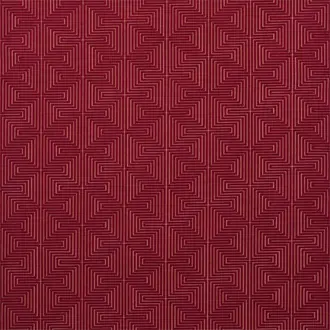
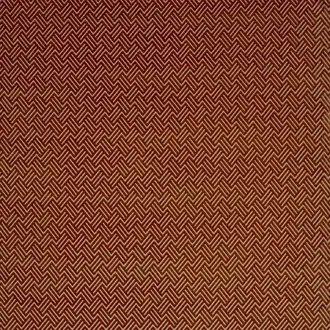
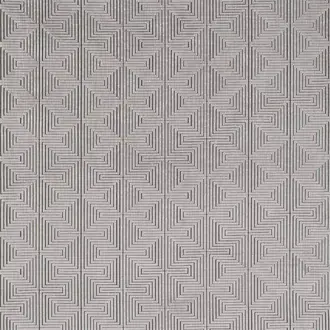
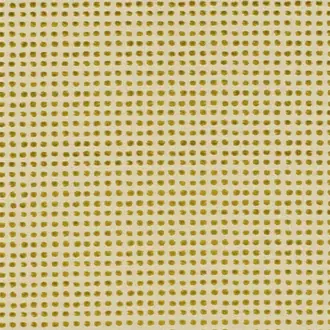

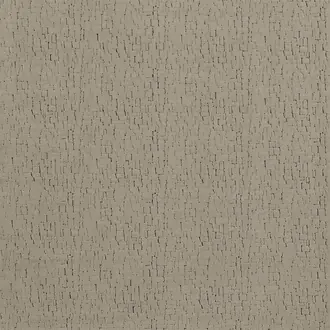
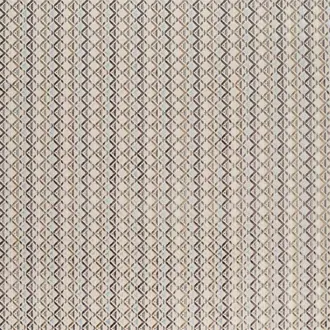
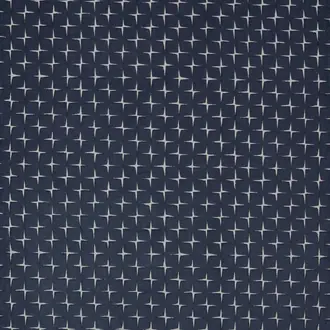
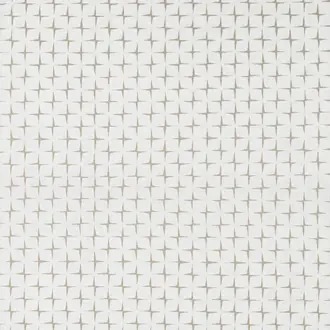
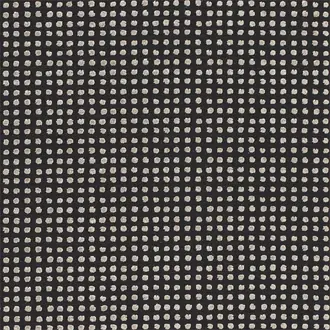
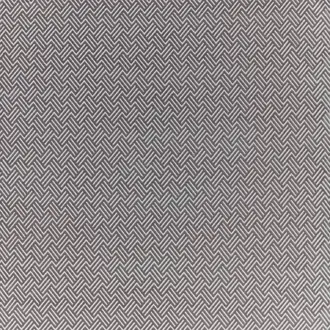
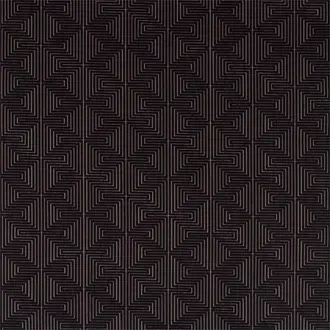
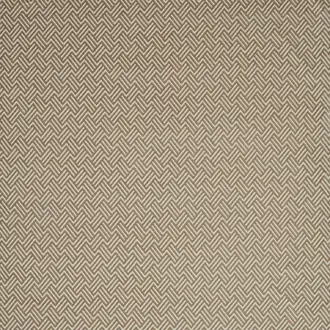
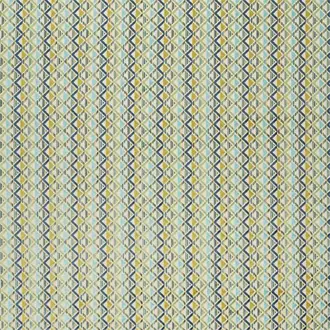
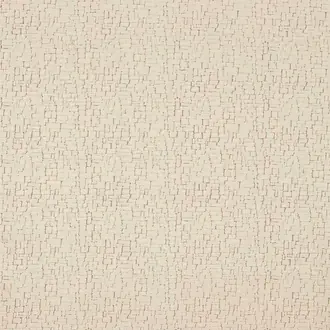
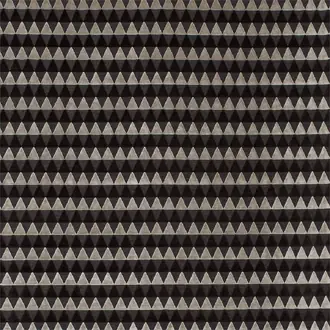
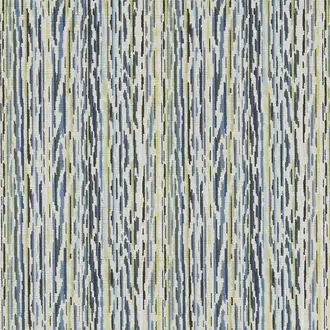
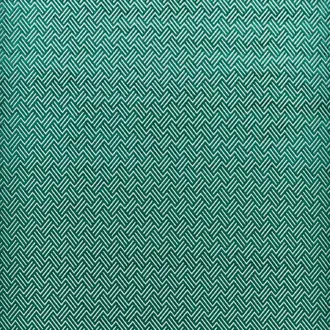
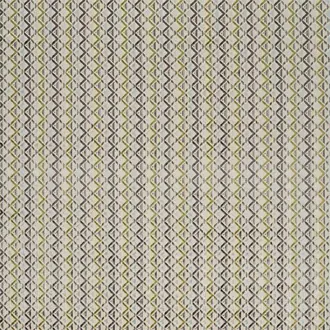
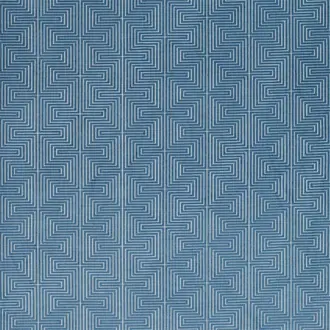
Raised pile
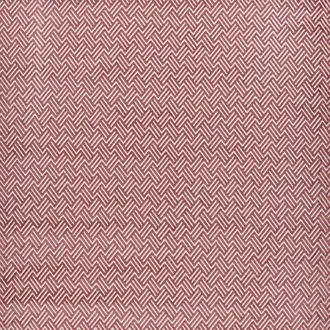
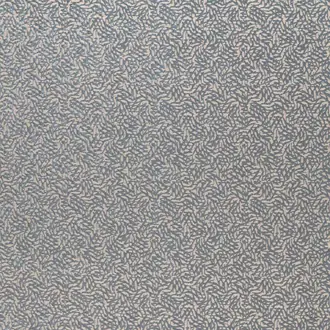
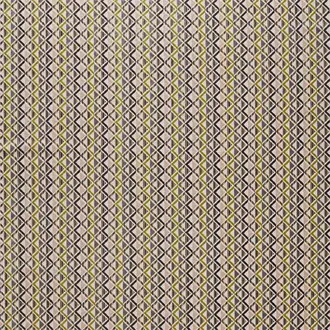
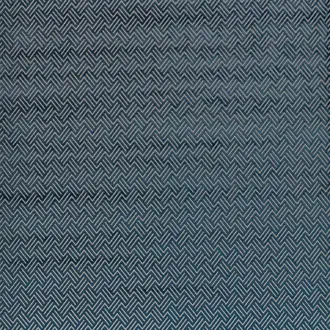
Selected yarns are cut to create areas of soft pile that stand above the woven or uncut background.

No products matched “”.
No matches for “”.
 1722 reviews
Explore cut velvet upholstery fabrics selected for their raised pattern, tactile pile and depth of colour. The collection brings together geometric, abstract and decorative designs from leading fabric houses, with options for chairs, sofas, cushions and headboards.
Cut velvet is created by cutting selected pile areas to reveal a raised design against a woven or uncut ground. Construction and suitability vary, so check the individual product specification before choosing fabric for a particular upholstery project.

Raised pattern and tactile depth
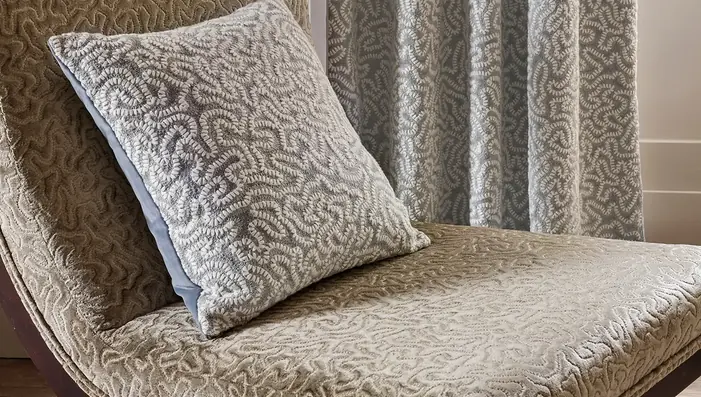
Cut velvet is created by cutting selected pile areas to form a raised design against a woven or uncut ground. The contrast between the pile and background gives the fabric its characteristic depth, changing lustre and tactile pattern.
The technique can produce subtle tonal texture or a highly defined decorative design. Contemporary cut velvets include geometrics, abstract forms, spots and stripes as well as damasks, foliage and more traditional motifs.
Selected yarns are cut to create areas of soft pile that stand above the woven or uncut background.
The pile reflects light differently according to its direction, giving the design movement and tonal variation.
The contrast between raised and flatter areas allows pattern to be expressed through both colour and texture.

Pattern created through construction
Unlike a printed design, the pattern of a cut velvet is formed partly or entirely by its construction. Raised pile areas catch the light while the ground remains flatter, creating visible and tactile contrast.
Some designs combine cut and uncut pile, while others introduce printing, varied yarns or contrasting colour. Not every patterned velvet is a cut velvet, so the manufacturer’s construction description provides the most reliable classification.

Geometry, abstraction and colour
Modern cut velvets can use overlapping blocks, broken stripes, geometric repeats and abstract forms to give furniture a strong architectural presence. The variation in pile adds another layer to the pattern as the viewer moves around the piece.
Bold designs work particularly well on occasional chairs, benches, headboards and cushions. On larger sofas, consider how the repeat will be positioned and matched across adjoining sections.

Traditional pattern with added dimension
Cut velvet can bring depth to scrolling motifs, foliage, stylised flowers and other decorative patterns. Raised pile gives these designs a richer surface than a flat weave or print alone.
Pattern scale is important. A large repeat needs sufficient space to be appreciated, while smaller-scale designs can adapt more readily to detailed furniture, cushions and compact seating.

Light, pressure and pile direction
The appearance of velvet changes according to the direction of its pile. Areas may look lighter or darker as the nap moves, and pressure can temporarily alter the way the surface reflects light.
These characteristics should be considered when planning pattern placement and upholstering adjoining furniture sections. A sample helps reveal the texture, scale and colour variation that cannot be judged accurately from a screen.
Suitability matched to the furniture
Begin with the intended furniture and expected level of use. An occasional bedroom chair has different requirements from a family-room sofa, hospitality banquette or frequently used dining chair.
Check the individual product’s recommended application, abrasion result, composition, repeat and care instructions. An abrasion figure can help inform a decision, but it should not be treated as the only measure of suitability.
Pattern matching and placement may affect the quantity needed, particularly across multiple cushions or furniture sections.
Confirm upholstery suitability, abrasion performance and any project-specific fire or cleaning requirements.
Assess the raised pile, background weave, colour and scale alongside the other materials in your interior.
A wider multi-brand collection
Our wider selection includes cut velvet upholstery fabrics from Kirkby Design, Jim Thompson, Designers Guild, Romo, Misia, Osborne & Little, Harlequin, Zoffany, Sekers, Rubelli and other international textile houses.
Each collection approaches the technique differently, from restrained tonal texture to expressive colour and large-scale pattern. Availability, composition and performance remain product-specific.
Samples and experienced advice
Order samples to compare texture, colour, pile direction and pattern scale before committing to a full quantity. If you need help assessing suitability, tell us about the furniture, expected use and project requirements.
Frequently asked questions
Cut velvet uses selected areas of cut pile to form a raised pattern against a woven or uncut background. This creates contrast in both texture and reflected light.
No. A patterned velvet may be woven, printed, embossed or created through another construction. Check the manufacturer’s description to confirm whether the pile has been cut to form the design.
Many cut velvets are developed for upholstery, but suitability varies. Review the stated usage, abrasion performance, composition and care information for the individual product.
The pile reflects light differently according to its direction. Shading and changes caused by movement or pressure are characteristic of many velvet constructions.
Some cut velvets are suitable for curtains as well as upholstery, while others are intended primarily for furniture. Confirm the recommended application for the individual design.
Yes. A sample is the best way to assess pile height, ground texture, pattern scale, colour and the fabric’s response to light.
Prices and taxes are calculated based on your country.
Some items may not be available for delivery to every country — we will tell you at the basket or checkout if anything cannot be sent.
Necessary cookies enable core functionality such as page navigation, your shopping basket and secure checkout. The site cannot work properly without them.
| Cookie | Provider | Duration |
|---|---|---|
| __cf_bm | Cloudflare | 30 minutes |
| cf_clearance | Cloudflare | Varies |
| ect_consent | First party | 180 days |
| ectcartcookie | First party | Session |
| ecthash | First party | Session |
| ectordid | First party | Session |
| ectsessid | First party | Session |
| PHPSESSID | First party | Session |
Preference cookies let the site remember choices you make (such as your region or recently viewed items) for a more personal experience.
| Cookie | Provider | Duration |
|---|---|---|
| ect_country_popup_shown | First party | 1 day |
| WRITECLL | First party | Persistent |
| WRITECLP | First party | Persistent |
Statistics cookies help us understand how visitors use the site by collecting and reporting information anonymously.
| Cookie | Provider | Duration |
|---|---|---|
| _ga | Google Analytics | 2 years |
| _ga_ | Google Analytics | 2 years |
| _hj | Hotjar (via Google Tag Manager) | 30 minutes - 1 year |
| fs_uid | FullStory (via Google Tag Manager) | 1 year |
Marketing cookies track visitors across sites to display relevant ads and measure campaign performance.
| Cookie | Provider | Duration |
|---|---|---|
| __kla_id | Klaviyo | 2 years |
| _gcl_ | Google Ads (via Google Tag Manager) | 90 days |
| id1 | First party | ~6 months |
| id2 | First party | ~6 months |
| IDE | Google DoubleClick (third-party, doubleclick.net) | 13 months |
| PARTNER | First party | Persistent |